
Egypt · Region
Edfu
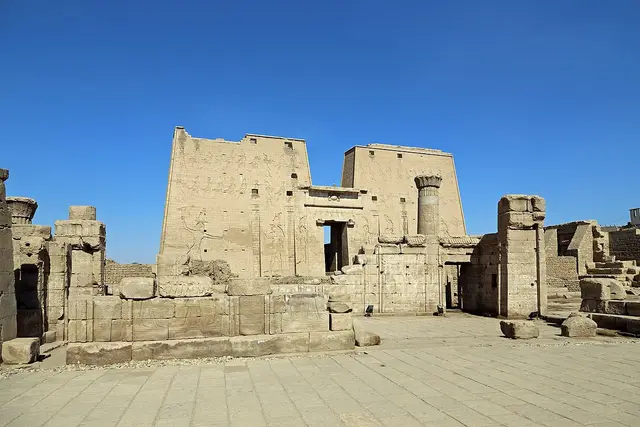
Edfu is home to the Temple of Horus, the most completely preserved temple in Egypt, with towering pylons and intact roofed sanctuaries that give a rare, full sense of how an ancient Egyptian temple actually functioned. Set on the Nile's west bank roughly midway between Luxor and Aswan, the town itself is a modest agricultural centre, but its temple draws a steady stream of river traffic and day visitors.
Top-rated things to do in Edfu
Booking links are affiliate links — booking through them supports our free guides at no extra cost to you.
Where to stay in Edfu
Compare Edfu hotels and stays at the lowest price — deals, ratings, and real traveler reviews.
Search hotels in Edfu →Booking links are affiliate links — booking through them supports our free guides at no extra cost to you.
Plan your trip to Edfu
Egypt eSIM & staying connected →
Some links above are affiliate links — if you book through them, Wander Atlas earns a small commission at no extra cost to you. It's how we keep every guide free.
When to visit Egypt: month-by-month weather, crowds and holidays →
Frequently asked questions about Edfu
How do I get to Edfu?
Edfu has no airport of its own: travellers fly into Luxor (LXR) or Aswan (ASW) and continue by road or rail, since the town sits directly on Egypt's Nile Valley railway line linking Cairo, Luxor and Aswan. Most visitors, however, arrive by Nile cruise boat, which docks near the temple as a standard stop on Luxor-Aswan itineraries.
How many days should I spend in Edfu?
A few hours is enough to see the Temple of Horus itself, but allow a half to full day if combining Edfu with the nearby temples at Kom Ombo and Esna as an overland excursion.
What is Edfu known for?
Edfu is home to the Temple of Horus, the most completely preserved temple in Egypt, with towering pylons and intact roofed sanctuaries that give a rare, full sense of how an ancient Egyptian temple actually functioned. Set on the Nile's west bank roughly midway between Luxor and Aswan, the town itself is a modest agricultural centre, but its temple draws a steady stream of river traffic and day visitors.