New Zealand · Region
Franz Josef
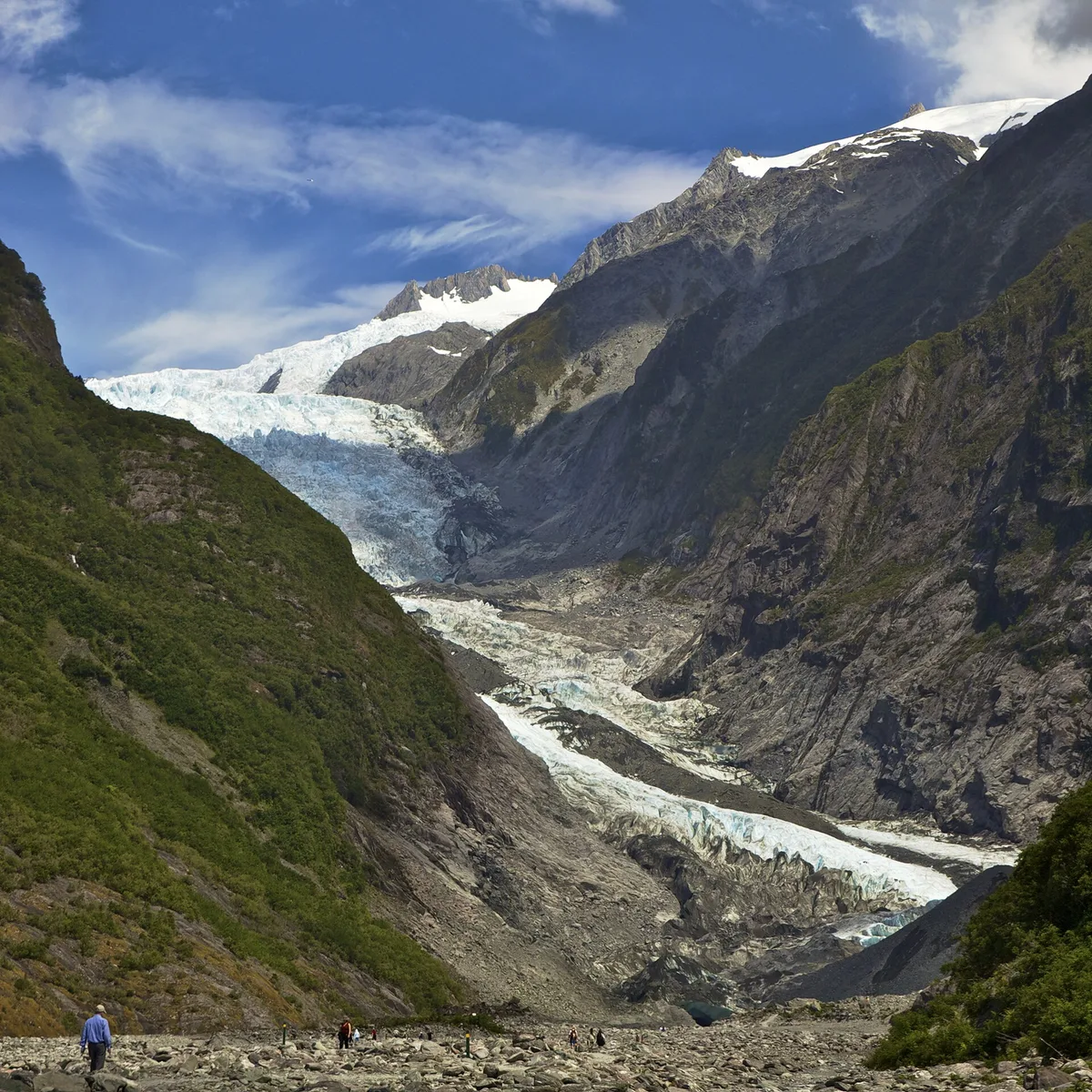
Franz Josef is a small West Coast village pressed between the Southern Alps and the Tasman Sea, famous as the gateway to one of the world's most accessible glaciers. Its rainforest-to-ice scenery and heli-hike access have made it a fixture on South Island itineraries despite its remote, weather-prone location.
Top-rated things to do in Franz Josef
Booking links are affiliate links — booking through them supports our free guides at no extra cost to you.
Where to stay in Franz Josef
Compare Franz Josef hotels and stays at the lowest price — deals, ratings, and real traveler reviews.
Search hotels in Franz Josef →Booking links are affiliate links — booking through them supports our free guides at no extra cost to you.
Plan your trip to Franz Josef
New Zealand eSIM & staying connected →
Some links above are affiliate links — if you book through them, Wander Atlas earns a small commission at no extra cost to you. It's how we keep every guide free.
When to visit New Zealand: month-by-month weather, crowds and holidays →
Frequently asked questions about Franz Josef
How do I get to Franz Josef?
There is no commercial airport in Franz Josef itself; most travellers fly into Christchurch or Queenstown and then drive or take an InterCity coach along State Highway 6 (~5 hours from Christchurch, ~4 to 5 hours from Queenstown). The closest regional airport is Hokitika (HKK), about 1h40 to 2 hours away by road, while the nearest rail link is the TranzAlpine line, which ends in Greymouth, roughly 2 to 2.5 hours' drive from the village.
How many days should I spend in Franz Josef?
Plan on 1 to 2 days, enough time for a heli-hike or guided glacier walk, a walk to the valley lookout, and a buffer day in case weather disrupts flights or ice access.
What is Franz Josef known for?
Franz Josef is a small West Coast village pressed between the Southern Alps and the Tasman Sea, famous as the gateway to one of the world's most accessible glaciers. Its rainforest-to-ice scenery and heli-hike access have made it a fixture on South Island itineraries despite its remote, weather-prone location.