Germany · Region
Garmisch-Partenkirchen
Photo: Flocci Nivis (CC BY 4.0)
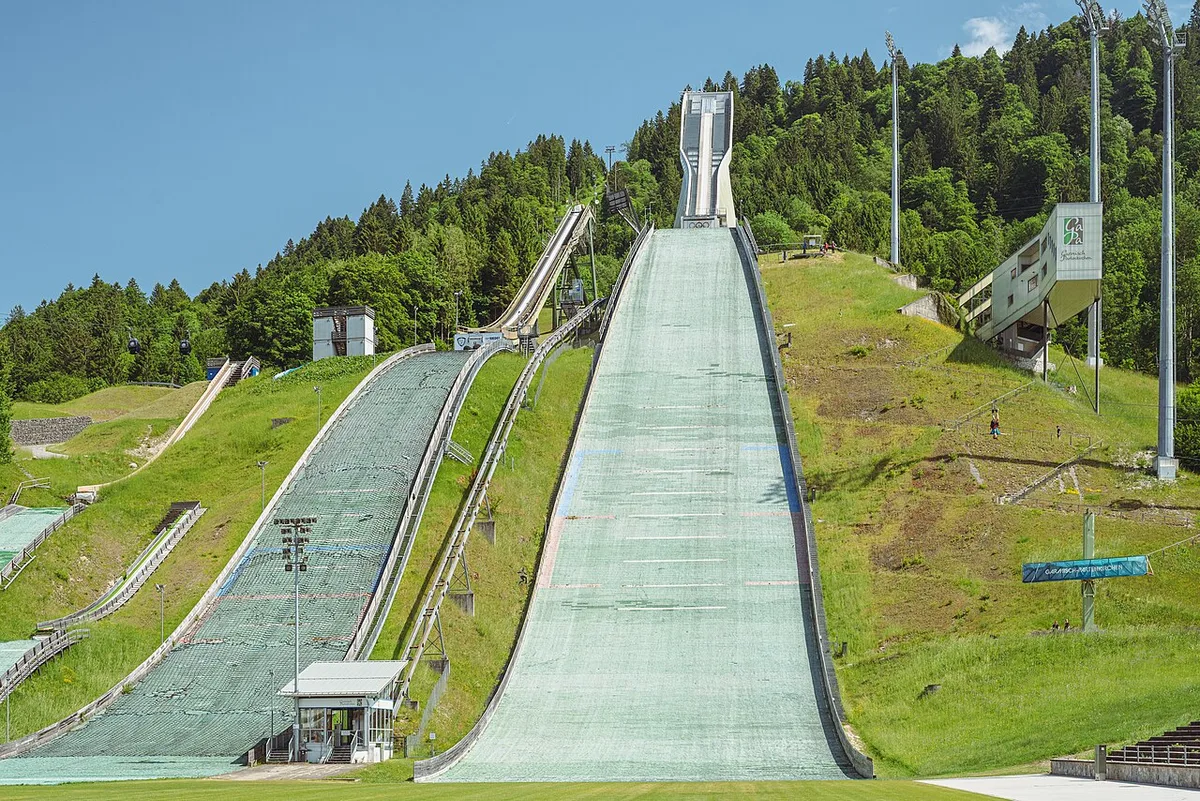
Garmisch-Partenkirchen sits at the foot of the Zugspitze, Germany's highest peak, where two once-separate Bavarian towns merged for the 1936 Winter Olympics into the country's leading winter sports centre. Beyond the ski slopes and cogwheel railway to the summit, visitors come for alpine gorges like the Partnachklamm and the glacier-fed waters of the Eibsee.
Top-rated things to do in Garmisch-Partenkirchen
Booking links are affiliate links — booking through them supports our free guides at no extra cost to you.
Where to stay in Garmisch-Partenkirchen
Compare Garmisch-Partenkirchen hotels and stays at the lowest price — deals, ratings, and real traveler reviews.
Search hotels in Garmisch-Partenkirchen →Booking links are affiliate links — booking through them supports our free guides at no extra cost to you.
Plan your trip to Garmisch-Partenkirchen
Germany eSIM & staying connected →
Some links above are affiliate links — if you book through them, Wander Atlas earns a small commission at no extra cost to you. It's how we keep every guide free.
When to visit Germany: month-by-month weather, crowds and holidays →
Frequently asked questions about Garmisch-Partenkirchen
How do I get to Garmisch-Partenkirchen?
There is no direct train from Munich Airport (MUC), so travellers typically take the S-Bahn (S1 or S8) into Munich's Hauptbahnhof and change onto a regional train for the onward journey to Garmisch-Partenkirchen, with the full trip taking roughly 2 to 2.5 hours. Direct regional trains also run hourly from Munich's main station itself, making the city a convenient hub for access.
How many days should I spend in Garmisch-Partenkirchen?
Plan on ~2 to 3 days to cover the essentials: a day for the Zugspitze summit and Eibsee, and another for the old town and a gorge hike such as the Partnachklamm.
What is Garmisch-Partenkirchen known for?
Garmisch-Partenkirchen sits at the foot of the Zugspitze, Germany's highest peak, where two once-separate Bavarian towns merged for the 1936 Winter Olympics into the country's leading winter sports centre. Beyond the ski slopes and cogwheel railway to the summit, visitors come for alpine gorges like the Partnachklamm and the glacier-fed waters of the Eibsee.