Mexico · Region
Guanajuato
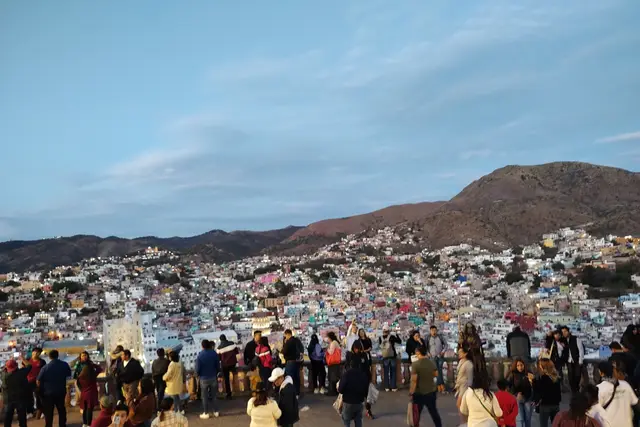
Guanajuato is a UNESCO World Heritage city built into a steep ravine, where pastel houses stack above a maze of underground tunnels originally cut for flood control and now used as traffic roads. Its labyrinth of narrow callejones, baroque churches and the grand Teatro Juárez reflect centuries of silver-mining wealth, and the city remains a lively university and festival hub, most famously during the Festival Internacional Cervantino.
Top-rated things to do in Guanajuato
Booking links are affiliate links — booking through them supports our free guides at no extra cost to you.
Where to stay in Guanajuato
Compare Guanajuato hotels and stays at the lowest price — deals, ratings, and real traveler reviews.
Search hotels in Guanajuato →Booking links are affiliate links — booking through them supports our free guides at no extra cost to you.
Plan your trip to Guanajuato
Some links above are affiliate links — if you book through them, Wander Atlas earns a small commission at no extra cost to you. It's how we keep every guide free.
When to visit Mexico: month-by-month weather, crowds and holidays →
Frequently asked questions about Guanajuato
How do I get to Guanajuato?
The nearest airport is Bajío International Airport (BJX), located in Silao roughly 30km from the city; from there, travellers typically take a shuttle or bus service such as UNEbus into Guanajuato, or connect via a bus to Silao first, since there is no direct public bus from the airport itself. Long-distance buses also run from Mexico City (~4-5 hours) to Guanajuato's bus terminal, which sits on the edge of town and requires a short taxi or local bus ride into the historic centre.
How many days should I spend in Guanajuato?
~2-3 days is enough to explore the historic centre, tunnels and hillside viewpoints, with extra time useful for day trips to nearby towns like San Miguel de Allende.
What is Guanajuato known for?
Guanajuato is a UNESCO World Heritage city built into a steep ravine, where pastel houses stack above a maze of underground tunnels originally cut for flood control and now used as traffic roads. Its labyrinth of narrow callejones, baroque churches and the grand Teatro Juárez reflect centuries of silver-mining wealth, and the city remains a lively university and festival hub, most famously during the Festival Internacional Cervantino.