China · Region
Guangzhou
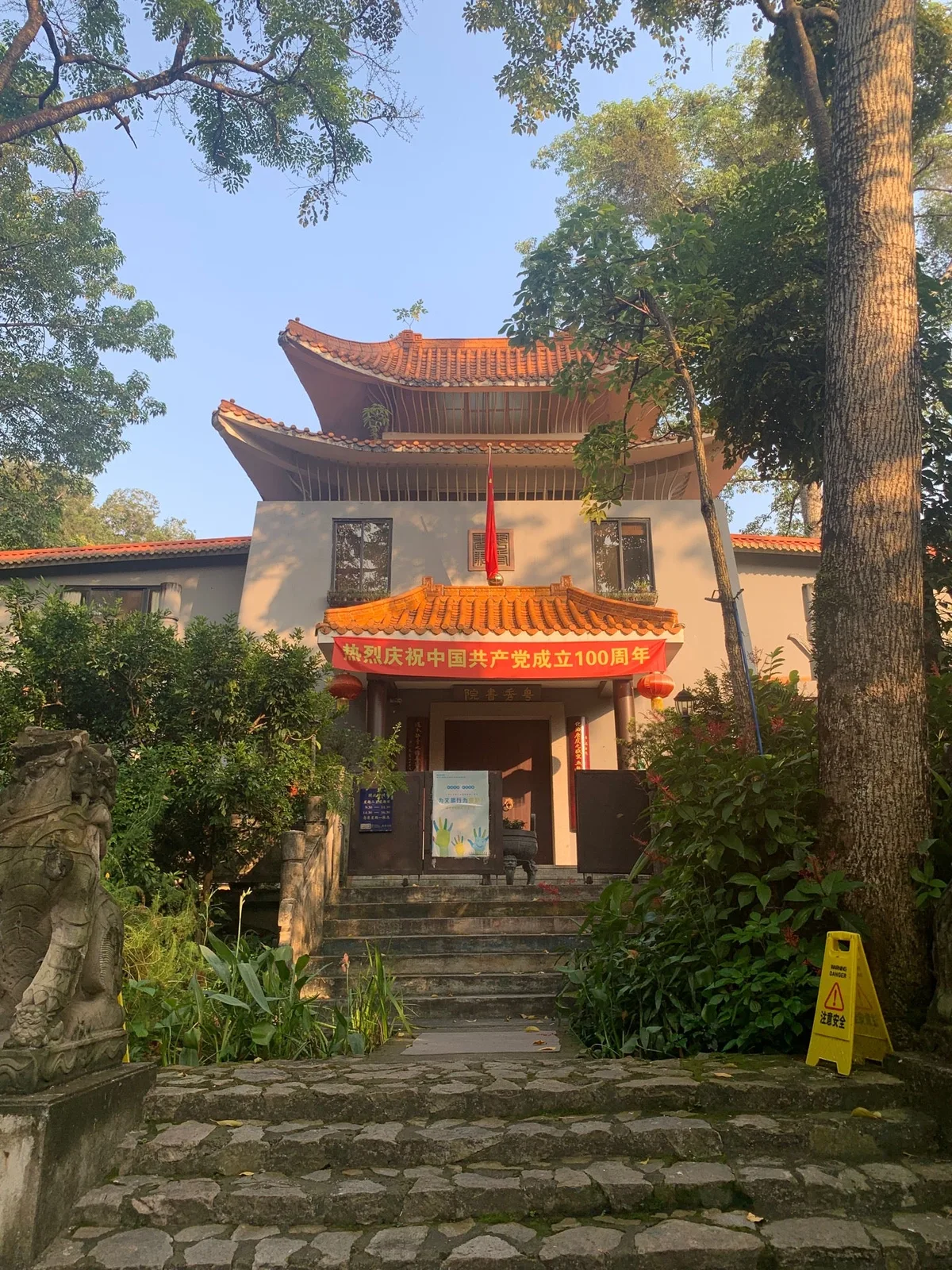
Photo: Foursquare user content (Yuexiu Academy of Classical Learning (粤秀书院))
Guangzhou, the sprawling Pearl River Delta capital once known to the West as Canton, blends a 2,000-year trading history with the frenetic energy of one of China's largest cargo and commerce hubs. Steamy, subtropical, and endlessly practical rather than picture-postcard pretty, it rewards travellers chasing dim sum culture, wholesale markets, and riverside skylines over conventional sightseeing.
Top attractions
 attraction
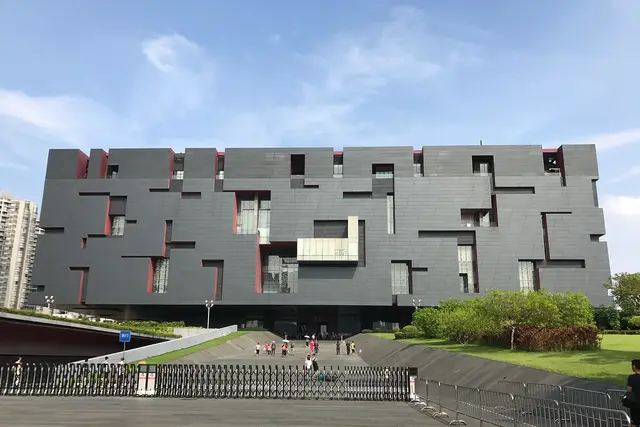
Guangdong Museum: Guangzhou Travel Guide (4.3★)
Guangdong Museum sits in the Zhujiang New Town CBD, right beside the Guangzhou Opera House and Guangzhou Library. 4.3★ (320 reviews) — what visitors say, hours, and tips.
 attraction
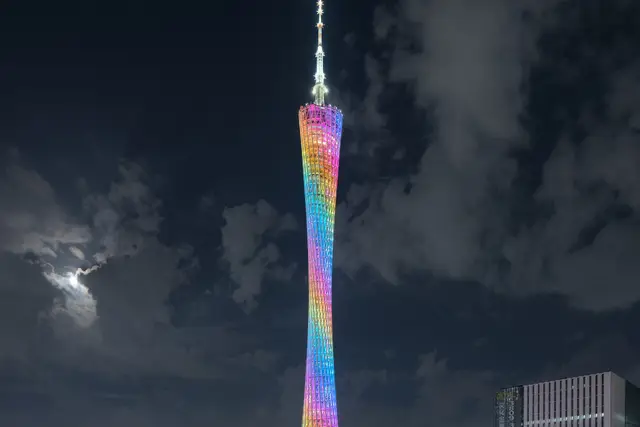
Guangzhou TV Tower: Travel Guide (4.6★)
The Guangzhou TV Tower — nicknamed "Canton Tower" and known locally for its hourglass silhouette — sits on the south bank of the Pearl River in Haizhu, facing Yuexiu District across the water. 4.6★ (118 reviews) — what visitors say, hours, and tips.
 attraction
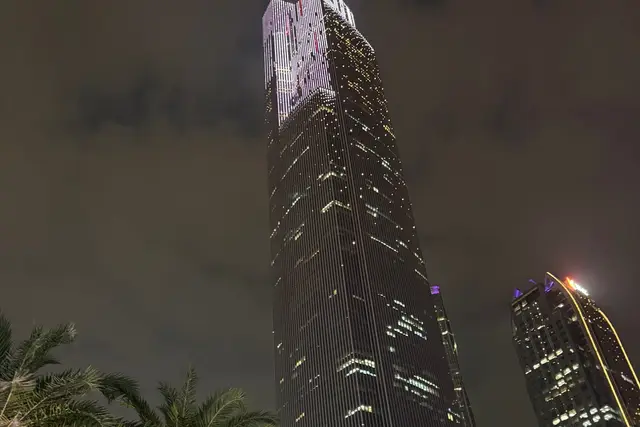
Huacheng Square: Guangzhou Travel Guide
Huacheng Square is the vast paved plaza at the heart of Tianhe's CBD, ringed by the Guangzhou Opera House, Guangdong Museum, Guangzhou Library and the Canton Tower across the river — free to walk through any time, and most rewarding in the late afternoon before the skyline lights up.
 attraction
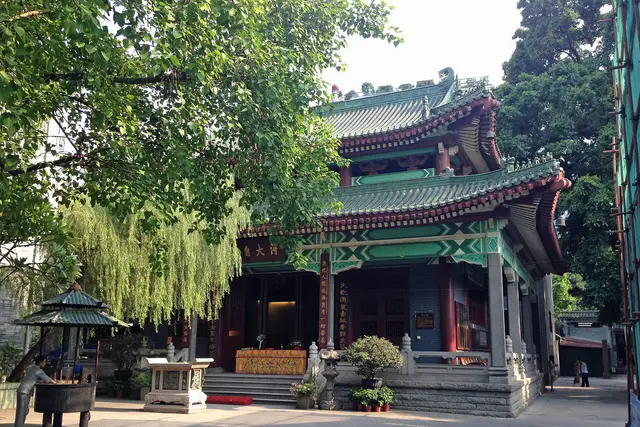
Temple of the Six Banyan Trees: Guangzhou Travel Guide
The Temple of the Six Banyan Trees is a working Buddhist temple in central Guangzhou, famous for its nine-story, flower-shaped Flower Pagoda (Hua Ta). 4.6★ (832 reviews) — what visitors say, hours, and tips.
 attraction
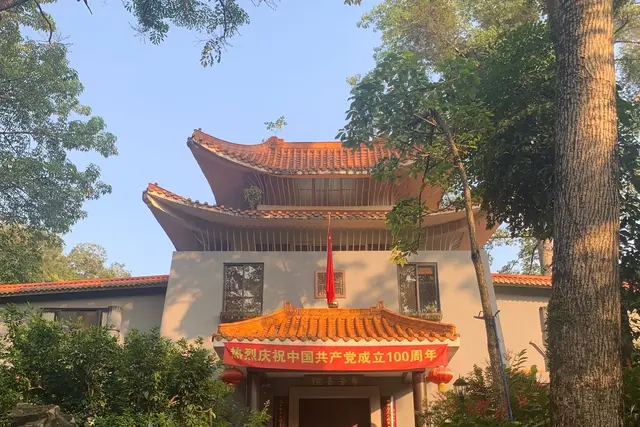
Yuexiu Park: Guangzhou Travel Guide (4.6★)
Yuexiu Park is Guangzhou's largest green space — a hilly sprawl of lakes, old city walls, and the landmark Five Rams statue, best explored on foot in the early morning. 4.6★ (1,073 reviews) — what visitors say, hours, and tips.
Hidden gems
 hidden gem
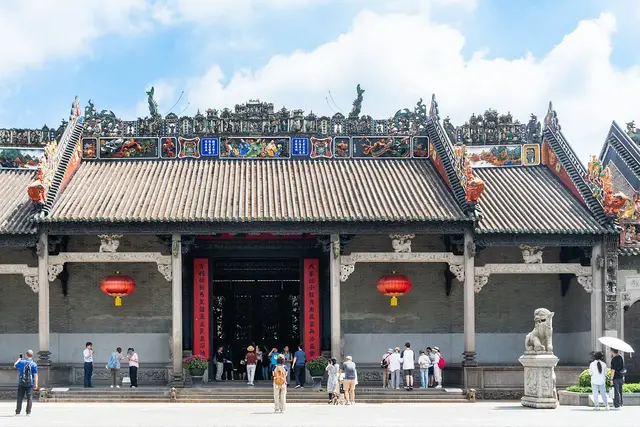
Chen Clan Ancestral Hall: Guangzhou Travel Guide
Chen Clan Ancestral Hall (陈家祠, Chan Sui Chi Study Hall) in Liwan District is Guangzhou's finest surviving Qing-dynasty academic temple, built in 1894 by 72 branches of the Chen family as a clan academy and ancestral shrine.
 hidden gem
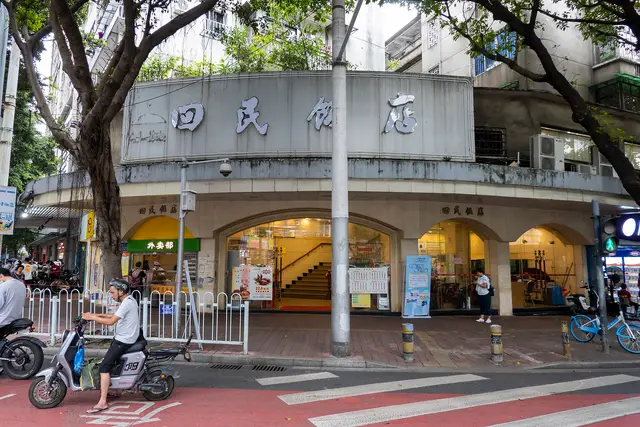
Shangxiajiu Commercial Pedestrian Street: Guangzhou Travel Guide
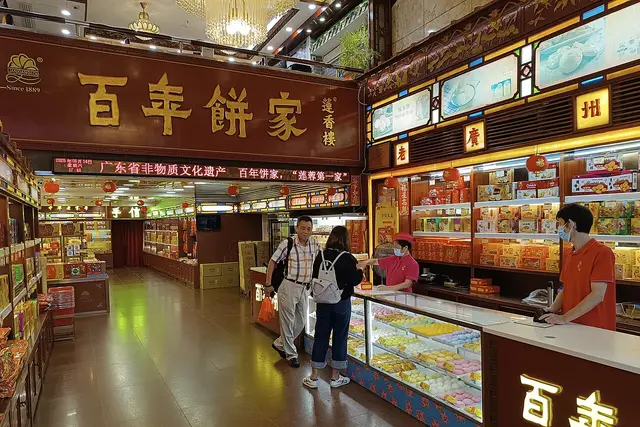
Shangxiajiu Commercial Pedestrian Street is a car-free shopping street in Guangzhou's old Liwan District, lined with qilou arcade buildings, clothing shops, malls, Cantonese restaurants and traditional tea houses. 4.3★ (709 reviews) — what visitors say, hours, and tips.
Top-rated things to do in Guangzhou
Booking links are affiliate links — booking through them supports our free guides at no extra cost to you.
Where to stay in Guangzhou
Compare Guangzhou hotels and stays at the lowest price — deals, ratings, and real traveler reviews.
Search hotels in Guangzhou →Booking links are affiliate links — booking through them supports our free guides at no extra cost to you.
Plan your trip to Guangzhou
China eSIM & staying connected →
Some links above are affiliate links — if you book through them, Wander Atlas earns a small commission at no extra cost to you. It's how we keep every guide free.
When to visit China: month-by-month weather, crowds and holidays →
Frequently asked questions about Guangzhou
How do I get to Guangzhou?
Most international travellers arrive via Guangzhou Baiyun International Airport (CAN), one of China's busiest air hubs, with connections into the city by metro, intercity train, or airport bus. Domestic and regional travellers frequently arrive by high-speed rail into Guangzhou South Railway Station, a major terminus on lines linking Beijing, Wuhan, Shenzhen, and Hong Kong, from which the city centre is reached by subway.
How many days should I spend in Guangzhou?
Plan on ~2-3 days to cover the historic core, riverside districts, and a couple of the city's famed markets, with extra time if using Guangzhou as a springboard for day trips within the Greater Bay Area.
What is Guangzhou known for?
Guangzhou, the sprawling Pearl River Delta capital once known to the West as Canton, blends a 2,000-year trading history with the frenetic energy of one of China's largest cargo and commerce hubs. Steamy, subtropical, and endlessly practical rather than picture-postcard pretty, it rewards travellers chasing dim sum culture, wholesale markets, and riverside skylines over conventional sightseeing.