
Peru · Region
Iquitos
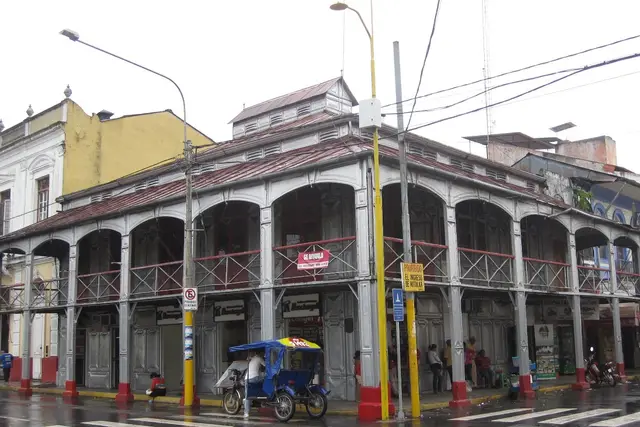
Iquitos is the largest city in the world with no road connection to anywhere else, a sprawling Amazon river port where motorcycle rickshaws outnumber cars and the jungle presses right up against colonial-era mansions. Its isolation is the point: this is where travellers come to trade pavement for river water as the main highway, launching into the rainforest and its wildlife, lodges and indigenous communities from the riverside markets of Belen.
Top-rated things to do in Iquitos
Booking links are affiliate links — booking through them supports our free guides at no extra cost to you.
Where to stay in Iquitos
Compare Iquitos hotels and stays at the lowest price — deals, ratings, and real traveler reviews.
Search hotels in Iquitos →Booking links are affiliate links — booking through them supports our free guides at no extra cost to you.
Plan your trip to Iquitos
Peru eSIM & staying connected →
Some links above are affiliate links — if you book through them, Wander Atlas earns a small commission at no extra cost to you. It's how we keep every guide free.
When to visit Peru: month-by-month weather, crowds and holidays →
Frequently asked questions about Iquitos
How do I get to Iquitos?
Nearly all visitors fly into Iquitos's Coronel FAP Francisco Secada Vignetta International Airport (IQT), with regular domestic connections from Lima and other Peruvian cities; there is no road into the city, so flying is by far the most practical option. The alternative is a slow boat journey along the Amazon, which can take several days depending on the departure point.
How many days should I spend in Iquitos?
Plan on ~3-4 days to cover the city itself and a nearby jungle lodge excursion, or longer if an Amazon river cruise is part of the trip.
What is Iquitos known for?
Iquitos is the largest city in the world with no road connection to anywhere else, a sprawling Amazon river port where motorcycle rickshaws outnumber cars and the jungle presses right up against colonial-era mansions. Its isolation is the point: this is where travellers come to trade pavement for river water as the main highway, launching into the rainforest and its wildlife, lodges and indigenous communities from the riverside markets of Belen.