South Korea · Region
Jinju
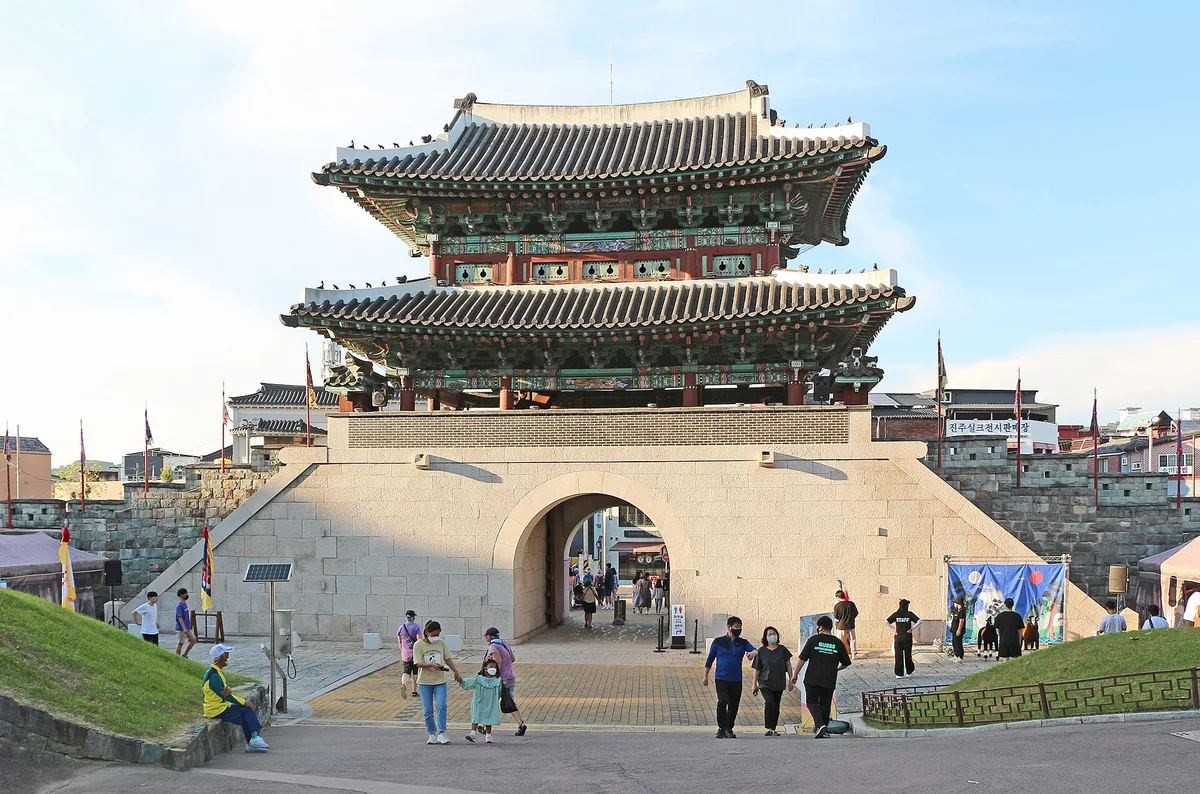
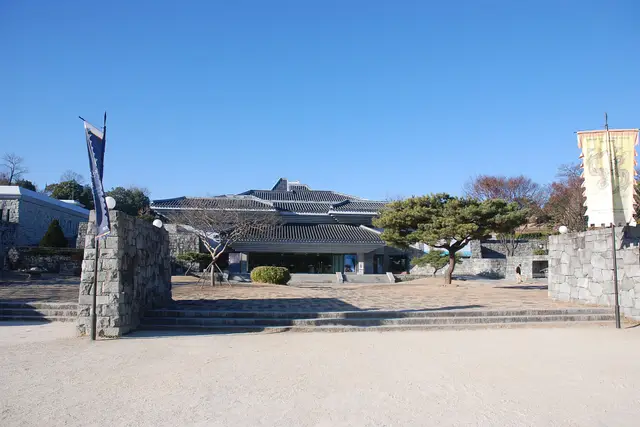
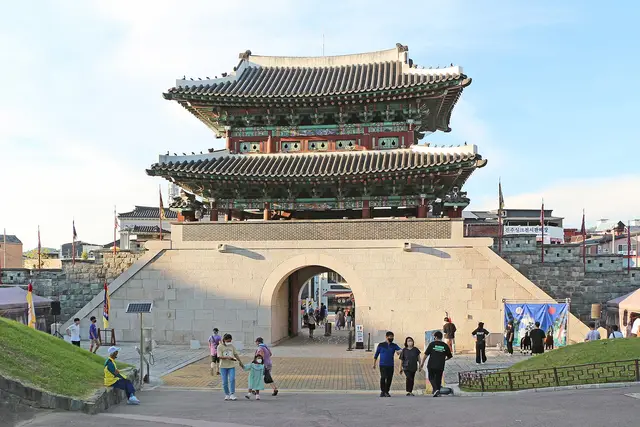
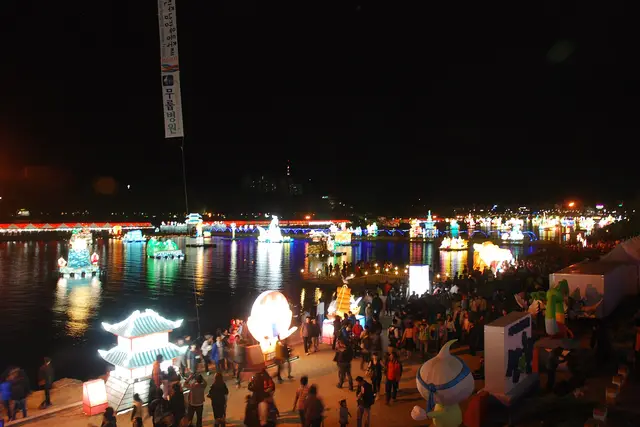
Jinju is built around Jinjuseong Fortress, a riverside stronghold on the Namgang River where Korean defenders made their last stand against Japanese invaders in 1592–93, a history still honored every autumn when the river fills with thousands of floating lanterns. It's a compact, unhurried city where a 400-year-old battle site, a national museum, and a lively riverside promenade sit within easy walking distance of one another.
Top-rated things to do in Jinju
Booking links are affiliate links — booking through them supports our free guides at no extra cost to you.
Where to stay in Jinju
Compare Jinju hotels and stays at the lowest price — deals, ratings, and real traveler reviews.
Search hotels in Jinju →Booking links are affiliate links — booking through them supports our free guides at no extra cost to you.
Plan your trip to Jinju
South Korea eSIM & staying connected →
Some links above are affiliate links — if you book through them, Wander Atlas earns a small commission at no extra cost to you. It's how we keep every guide free.
When to visit South Korea: month-by-month weather, crowds and holidays →
Frequently asked questions about Jinju
How do I get to Jinju?
Jinju has no major international airport of its own, so most travellers arrive by intercity bus or train via Busan/Gimhae — buses run from Gimhae Airport's international terminal to Jinju's Intercity Bus Terminal in about 1.5 hours, and trains connect via Dongdaegu or Masan to Jinju Station. Direct long-distance buses also link Jinju with Seoul's bus terminals in roughly 3.5 hours.
What is Jinju known for?
Jinju is built around Jinjuseong Fortress, a riverside stronghold on the Namgang River where Korean defenders made their last stand against Japanese invaders in 1592–93, a history still honored every autumn when the river fills with thousands of floating lanterns. It's a compact, unhurried city where a 400-year-old battle site, a national museum, and a lively riverside promenade sit within easy walking distance of one another.