Philippines · Region
Kalibo
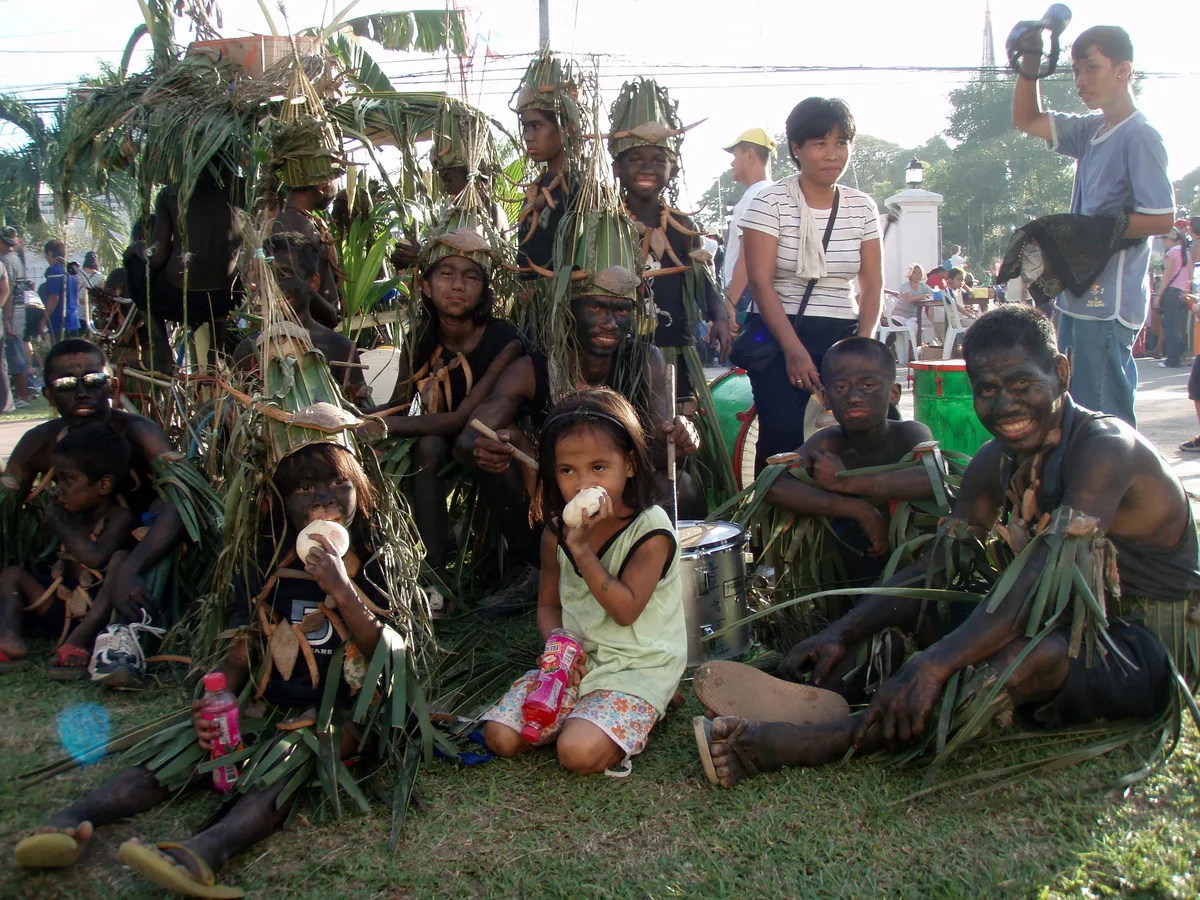
Kalibo is the provincial capital of Aklan, a workaday Panay Island town better known to most travellers as the budget door to Boracay than as a destination in its own right. It keeps its own identity too, with mangrove boardwalks, a riverside market and the raucous Ati-Atihan festival that fills its streets with drums and dancers each January.
Top-rated things to do in Kalibo
Booking links are affiliate links — booking through them supports our free guides at no extra cost to you.
Where to stay in Kalibo
Compare Kalibo hotels and stays at the lowest price — deals, ratings, and real traveler reviews.
Search hotels in Kalibo →Booking links are affiliate links — booking through them supports our free guides at no extra cost to you.
Plan your trip to Kalibo
Philippines eSIM & staying connected →
Some links above are affiliate links — if you book through them, Wander Atlas earns a small commission at no extra cost to you. It's how we keep every guide free.
When to visit Philippines: month-by-month weather, crowds and holidays →
Frequently asked questions about Kalibo
How do I get to Kalibo?
Most visitors arrive by air at Kalibo International Airport (KLO), which handles both domestic and international flights; from there, buses or vans run to Caticlan Jetty Port in ~1.5 to 2 hours, followed by a short boat crossing of ~10 to 15 minutes to reach Boracay. Travellers heading straight into Kalibo town itself can simply take a short tricycle or taxi ride, as the airport sits just a few kilometres from the centre.
How many days should I spend in Kalibo?
Most people treat Kalibo as a one-night staging post before or after Boracay, though a day here is enough to cover the mangrove eco-park, the public market and a wander through the town centre.
What is Kalibo known for?
Kalibo is the provincial capital of Aklan, a workaday Panay Island town better known to most travellers as the budget door to Boracay than as a destination in its own right. It keeps its own identity too, with mangrove boardwalks, a riverside market and the raucous Ati-Atihan festival that fills its streets with drums and dancers each January.