Indonesia · Region
Komodo
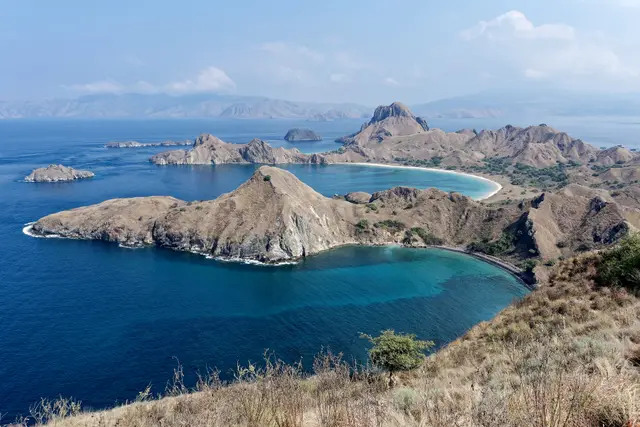
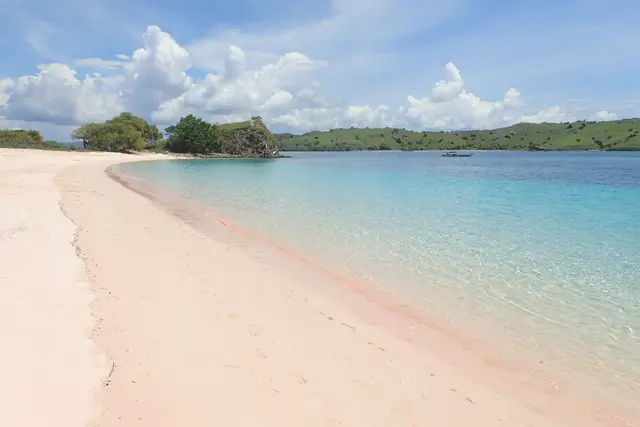
Komodo National Park is the only place on Earth where the Komodo dragon, the world's largest living lizard, roams wild across a rugged archipelago of savanna-covered islands. Beyond the dragons, the park's turquoise bays, pink-sand beaches, and nutrient-rich straits make it one of Indonesia's premier diving and snorkeling destinations, drawing everyone from liveaboard divers to day-trippers chasing manta rays.
Top-rated things to do in Komodo
Live prices from Klook. Booking through these links supports our free guides at no extra cost to you.
Where to stay in Komodo
Compare Komodo hotels and stays at the lowest price — deals, ratings, and real traveler reviews.
Search hotels in Komodo →Booking links are affiliate links — booking through them supports our free guides at no extra cost to you.
Plan your trip to Komodo
Some links above are affiliate links — if you book through them, Wander Atlas earns a small commission at no extra cost to you. It's how we keep every guide free.
When to visit Indonesia: month-by-month weather, crowds and holidays →
Frequently asked questions about Komodo
How do I get to Komodo?
There's no airport within the national park itself, so travellers fly into Komodo International Airport (LBJ) in the nearby town of Labuan Bajo on Flores, most commonly via a ~1h15m direct flight from Bali's Denpasar (DPS) airport, with connections also available from Jakarta. From Labuan Bajo, the park's islands are reached by boat — anything from shared day-trip vessels to multi-day liveaboards departing the town's harbour.
How many days should I spend in Komodo?
Most visitors allow ~3-4 days: one to base in Labuan Bajo and arrange logistics, and ~2-3 for boat trips covering the main dragon-viewing sites (Komodo or Rinca Island), Padar's viewpoint, and a snorkeling stop or two.
What is Komodo known for?
Komodo National Park is the only place on Earth where the Komodo dragon, the world's largest living lizard, roams wild across a rugged archipelago of savanna-covered islands. Beyond the dragons, the park's turquoise bays, pink-sand beaches, and nutrient-rich straits make it one of Indonesia's premier diving and snorkeling destinations, drawing everyone from liveaboard divers to day-trippers chasing manta rays.