Mongolia · Region
Lake Khuvsgul
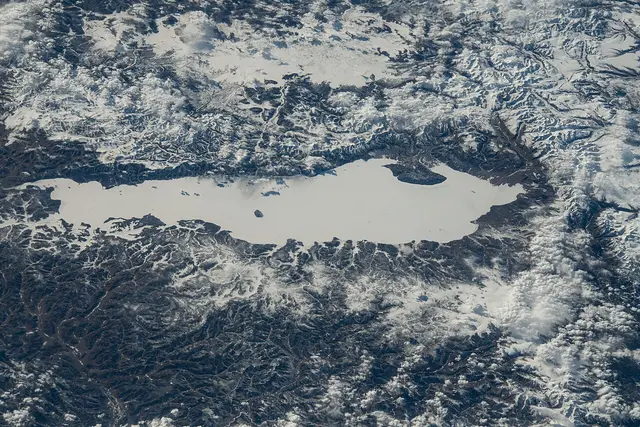
Lake Khuvsgul is Mongolia's deepest lake and holds nearly 70% of the country's fresh water, its clear blue waters ringed by taiga forest and mountains near the Russian border. Known as the "Mother Sea" and often called the younger sibling of Siberia's Lake Baikal, it feels more alpine Siberia than classic Mongolian steppe.
Top-rated things to do in Lake Khuvsgul
Booking links are affiliate links — booking through them supports our free guides at no extra cost to you.
Where to stay in Lake Khuvsgul
Compare Lake Khuvsgul hotels and stays at the lowest price — deals, ratings, and real traveler reviews.
Search hotels in Lake Khuvsgul →Booking links are affiliate links — booking through them supports our free guides at no extra cost to you.
Plan your trip to Lake Khuvsgul
Mongolia eSIM & staying connected →
Some links above are affiliate links — if you book through them, Wander Atlas earns a small commission at no extra cost to you. It's how we keep every guide free.
When to visit Mongolia: month-by-month weather, crowds and holidays →
Frequently asked questions about Lake Khuvsgul
How do I get to Lake Khuvsgul?
Most travellers fly from Ulaanbaatar to Mörön Airport (MXV), a journey of roughly 1 to 1.5 hours, then continue by road for ~2 to 3 hours to reach Khatgal on the lake's southern shore; overland buses from Ulaanbaatar to Mörön are cheaper but take around 12 hours or more. From Mörön, onward transport to the lake is typically arranged via shared taxi, van, or private hire.
How many days should I spend in Lake Khuvsgul?
Plan on ~4 to 7 days total from Ulaanbaatar, covering the return journey to and from Mörön plus 2 to 4 days at the lake itself for horseback riding, hiking, and nomad or reindeer-herder visits.
What is Lake Khuvsgul known for?
Lake Khuvsgul is Mongolia's deepest lake and holds nearly 70% of the country's fresh water, its clear blue waters ringed by taiga forest and mountains near the Russian border. Known as the "Mother Sea" and often called the younger sibling of Siberia's Lake Baikal, it feels more alpine Siberia than classic Mongolian steppe.