Germany · Region
Leipzig
Leipzig blends a centuries-old trading-city energy with one of Europe's most dynamic creative and startup scenes, its grand 19th-century architecture now home to galleries, indie music venues, and a buzzing café culture. Once a divided-era backwater, it has re-emerged as one of Germany's fastest-changing cities, drawing a young, international crowd without losing its handsome, historic core.
Top attractions
 attraction
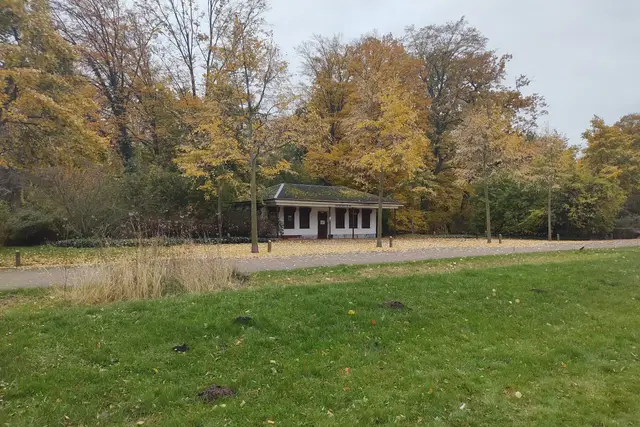
Clara-Zetkin-Park: Leipzig Travel Guide (4.7★)
Clara-Zetkin-Park is Leipzig's big central park, an easy walk south-west of the Innenstadt between the Südvorstadt and Schleußig neighbourhoods, open 24 hours with free entry. 4.7★ (10,029 reviews) — what visitors say, hours, and tips.
 attraction
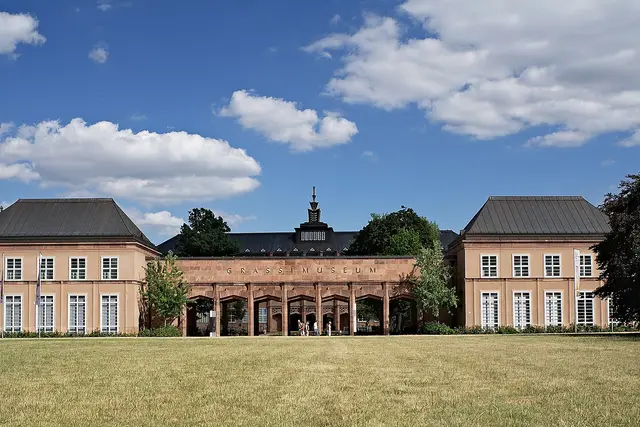
Grassi Museum of Applied Arts: Leipzig Travel Guide (4.6★)
The Grassi Museum of Applied Arts sits on Johannisplatz in Leipzig, a short walk east of the old town, and holds ceramics, porcelain, furniture and silver from antiquity to contemporary design. 4.6★ (2,309 reviews) — what visitors say, hours, and tips.
 attraction
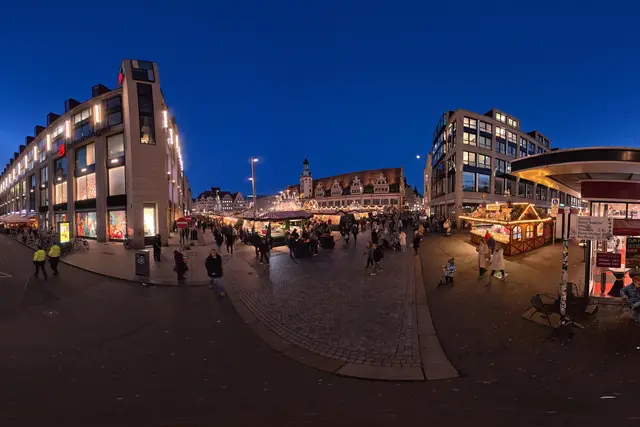
Marktplatz: Leipzig Travel Guide (4.6★)
Marktplatz Leipzig is the city's main square in the Altstadt, framed by the Renaissance Old Town Hall and sitting directly above Leipzig Markt S-Bahn station. 4.6★ (22,872 reviews) — what visitors say, hours, and tips.
 attraction
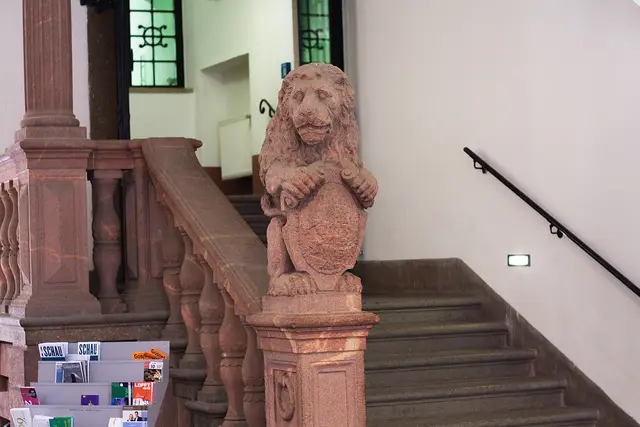
Stadtgeschichtliches Museum Leipzig, Altes Rathaus: Travel Guide
The Stadtgeschichtliches Museum Leipzig, Altes Rathaus, is the city history museum inside the Renaissance town hall on the Markt, Leipzig's central square, and Leipzig Markt S-Bahn station is directly beneath it. 4.7★ (1,790 reviews) — what visitors say, hours, and tips.
Where to eat
 restaurant
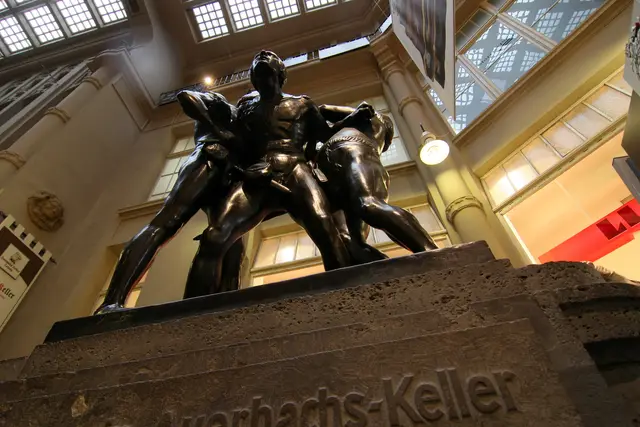
Auerbachs Keller: Where to Eat in Leipzig (4.4★)
Auerbachs Keller is a Saxon cellar restaurant under the Mädler-Passage on Grimmaische Straße in central Leipzig, a few steps from the Markt. 4.4★ (10,164 reviews) — what visitors say, hours, and tips.
 restaurant
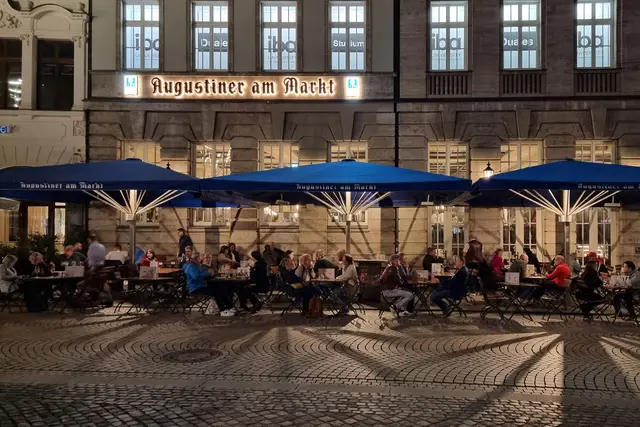
Augustiner Am Markt: Where to Eat in Leipzig (4.3★)
Augustiner Am Markt is a Bavarian restaurant at Markt 5-6 on Leipzig's main market square, facing the Old Town Hall, serving sausages, cold snack boards, beer and pastries. 4.3★ (5,318 reviews) — what visitors say, hours, and tips.
Hidden gems
 hidden gem
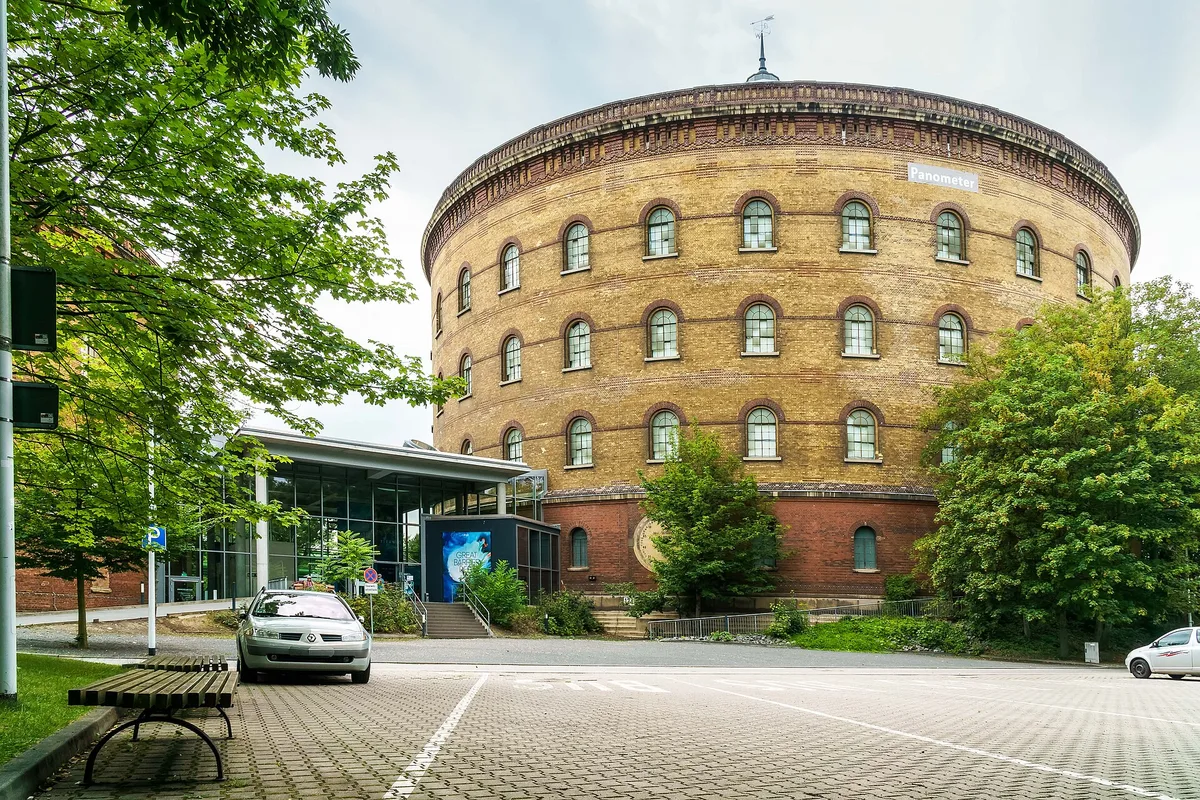
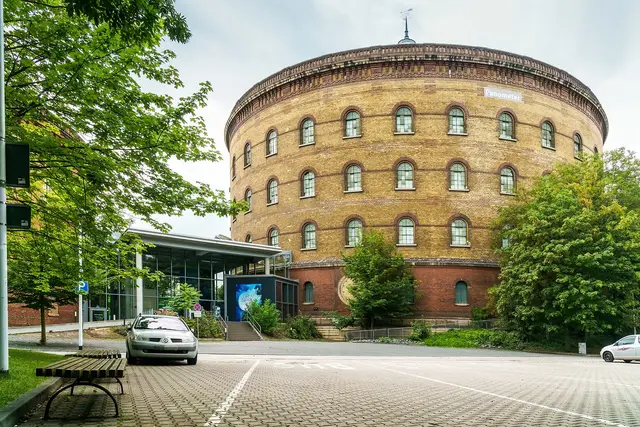
Leipzig Panometer: Travel Guide (4.5★)
Leipzig Panometer sits in a former brick gasometer at Richard-Lehmann-Straße 114 in Leipzig-Süd. 4.5★ (9,809 reviews) — what visitors say, hours, and tips.
 hidden gem
Mädler-Passage: Leipzig Travel Guide (4.7★)
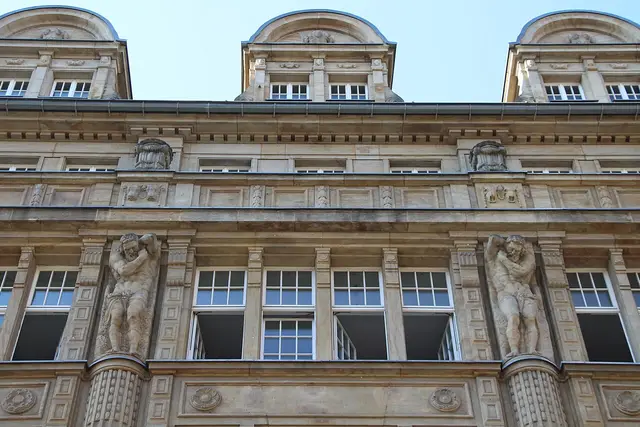
Mädler-Passage is Leipzig's grandest covered shopping arcade, running from Grimmaische Straße to Neumarkt in the old town, with Auerbachs Keller from Goethe's Faust in its basement. 4.7★ (4,414 reviews) — what visitors say, hours, and tips.
Top-rated things to do in Leipzig
Booking links are affiliate links — booking through them supports our free guides at no extra cost to you.
Where to stay in Leipzig
Compare Leipzig hotels and stays at the lowest price — deals, ratings, and real traveler reviews.
Search hotels in Leipzig →Booking links are affiliate links — booking through them supports our free guides at no extra cost to you.
Plan your trip to Leipzig
Germany eSIM & staying connected →
Some links above are affiliate links — if you book through them, Wander Atlas earns a small commission at no extra cost to you. It's how we keep every guide free.
When to visit Germany: month-by-month weather, crowds and holidays →
Frequently asked questions about Leipzig
How do I get to Leipzig?
Most travellers fly into Leipzig/Halle Airport (LEJ), then take the S-Bahn (lines S5 or S5X) directly to Leipzig Hauptbahnhof, a journey of roughly 15 minutes. The Hauptbahnhof itself, Europe's largest railway station by floor area, is also the city's main hub for long-distance and regional rail connections across Germany.
How many days should I spend in Leipzig?
Plan on ~2 to 3 days to cover the historic centre, key museums, and a taste of the city's music and café scene at an easy pace.
What is Leipzig known for?
Leipzig blends a centuries-old trading-city energy with one of Europe's most dynamic creative and startup scenes, its grand 19th-century architecture now home to galleries, indie music venues, and a buzzing café culture. Once a divided-era backwater, it has re-emerged as one of Germany's fastest-changing cities, drawing a young, international crowd without losing its handsome, historic core.