
Three museums behind one façade
Johannisplatz has a long, flat-fronted building on it from the late 1920s. The Grassi complex is a severe piece of interwar architecture: tall vertical windows, a square inner courtyard, and very little decoration on the outside. The ornament is all inside, in the cases.
The building holds three separate museums. The Museum of Applied Arts is the one you’ve come for. It shares the address with the Museum of Ethnography and the Museum of Musical Instruments. Check which entrance and ticket you need before you queue, because the three run independently.
The complex takes its name from Franz Dominic Grassi, a Leipzig merchant who left his fortune to the city in the 19th century. That bequest paid for the museum building. The name has stayed with the institution ever since.
Walking the centuries, room by room
The permanent collection is laid out as a route rather than a set of separate galleries. Expect to walk from antiquity through the Middle Ages and the Baroque, then on to Art Nouveau, Bauhaus-era design and the present. It’s a good collection to see in order. You can watch a teapot or a chair change shape over a thousand years.
What to look for along the way:
- Porcelain, unsurprising in Saxony, with Meissen just up the Elbe
- Silver, from ceremonial pieces to table services
- Furniture, including complete period interiors you walk through rather than past
- Ceramics from Europe and further afield, including a strong Asian art section
- 20th-century design, where the Art Nouveau and modernist rooms make the clearest case for the whole museum
Allow two to three hours for the applied arts collection alone. If you add one of the neighbouring museums, plan on half a day.
Look up in the stairwell
The Grassi’s stairwell is one of the best parts of the building, and plenty of visitors walk straight past it. In 1926 Josef Albers, then teaching at the Bauhaus, designed a set of stained-glass windows for the staircase. They were destroyed in the Second World War and reconstructed in 2011.
Climb the stairs slowly, ideally on a bright afternoon. The grid of coloured and clear glass reads very differently from each landing. Of everything in the building, this is what most clearly connects the Grassi to the Bauhaus story told in the galleries upstairs.

Wednesday is the late night
The weekly schedule has one oddity worth planning around. The museum is closed on Monday. From Tuesday to Sunday it opens 10am to 6pm, except Wednesday, when it runs until 8pm.
That late evening matters more than it looks. The quietest weekday window is 6pm–7pm, and Wednesday is the only day the doors are still open then. Arrive around 5pm and you get a full two to three hours. The last stretch is the calmest of the week.
Try to avoid weekends between 11am and 6pm, which is effectively the whole Saturday and Sunday opening day. Those are the busiest hours. The period rooms and narrow display corridors fill up quickly, so a weekend visit means sharing cases and waiting your turn at the best pieces.
Getting to Johannisplatz
The museum is just outside Leipzig’s ring road, on the east side of the city centre. From Augustusplatz, home to the Gewandhaus and the Opera, it’s a short walk east. From Leipzig Hauptbahnhof, allow roughly 15 to 20 minutes on foot through the old town.
Trams stop at Johannisplatz, directly outside. Leipzig’s network is run by LVB, and its journey planner or app will show you the current lines. If you’re walking the centre anyway, the Grassi fits easily between the Nikolaikirche area and an afternoon further east.
Doing the Grassi properly
Most of the friction here is avoidable with a little preparation.
- Bags: German museums routinely ask you to leave large backpacks and coats in a cloakroom or locker. Travel light, or budget a few minutes at the door.
- Tickets: current prices and any combined options for the three museums are posted at the ticket desk and on the museum’s official website. Buy for the right museum before heading upstairs.
- Pace: the route is long, and the modern design rooms come last. Many people rush them because they’re tired. Skim the early centuries if your time is short, and save energy for Art Nouveau onwards.
- Quiet: German galleries are hushed. Keep phone calls for the courtyard and switch off the flash if photography is permitted.
- Language: a “Danke” at the desk goes a long way, though English is widely understood.
If you’re in Leipzig in autumn, check the dates of the Grassimesse. It’s the museum’s long-running annual fair for contemporary applied art and design, where makers sell their own work in the building. It’s the busiest the Grassi gets, and also the liveliest.
Next door: the Old St John’s Cemetery
Directly behind the museum is the Alter Johannisfriedhof, Leipzig’s oldest surviving cemetery. It’s a walled, tree-shaded ground of weathered Baroque and Classical gravestones. The headstones and tomb sculpture continue the stone-carving and metalwork you’ve just seen behind glass.
A slow loop takes 20 to 30 minutes. It’s the natural cool-down after a long museum route. From there it’s an easy walk back west to Augustusplatz for coffee or dinner.
Frequently asked questions
When is the quietest time to visit the Grassi Museum of Applied Arts?
The quietest weekday window is 6pm–7pm. The museum only stays open past 6pm on Wednesday, when it closes at 8pm, so a Wednesday evening visit is the calmest option. Avoid weekends between 11am and 6pm, which are the busiest hours.
What are the opening days and hours?
It's closed on Monday. From Tuesday to Sunday it's open 10am to 6pm, except Wednesday, when it stays open until 8pm.
How long should I spend there?
Allow two to three hours for the applied arts collection. Plan on half a day if you add the Museum of Ethnography or the Museum of Musical Instruments, which share the building.
How do I get to the museum?
It's at Johannisplatz 5-11, just east of Leipzig's old town. Trams stop at Johannisplatz outside the door. On foot, it's a short walk from Augustusplatz or roughly 15 to 20 minutes from Leipzig Hauptbahnhof.
What is there to see nearby?
The Alter Johannisfriedhof, Leipzig's oldest surviving cemetery, is directly behind the museum. Augustusplatz, with the Gewandhaus and the Opera, is a short walk west.
Plan your trip to Leipzig
Some links above are affiliate links — if you book through them, Wander Atlas earns a small commission at no extra cost to you. It's how we keep every guide free.
Related guides
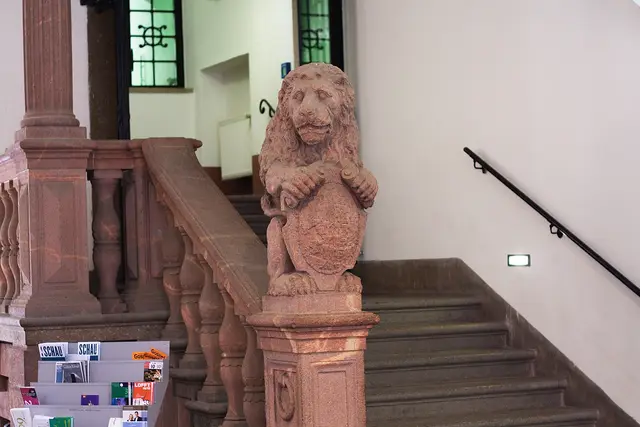 attraction
 Stadtgeschichtliches Museum Leipzig, Altes Rathaus: Travel Guide
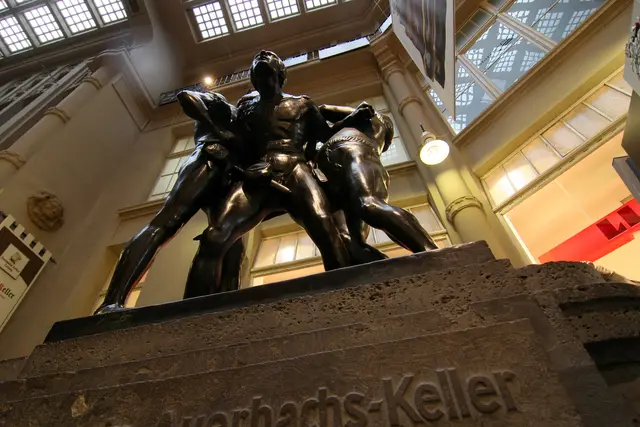 restaurant
 Auerbachs Keller: Where to Eat in Leipzig (4.4★)
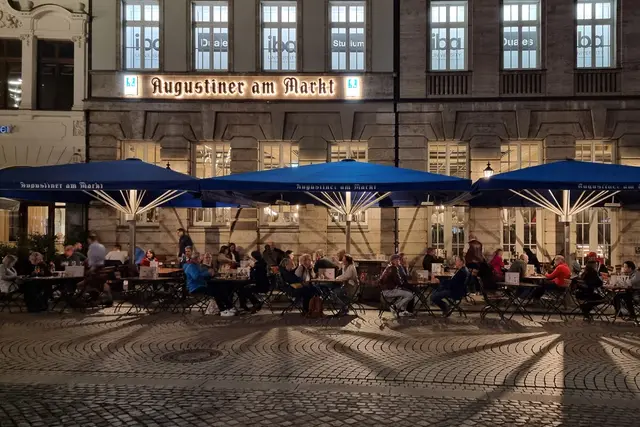 restaurant
 Augustiner Am Markt: Where to Eat in Leipzig (4.3★)
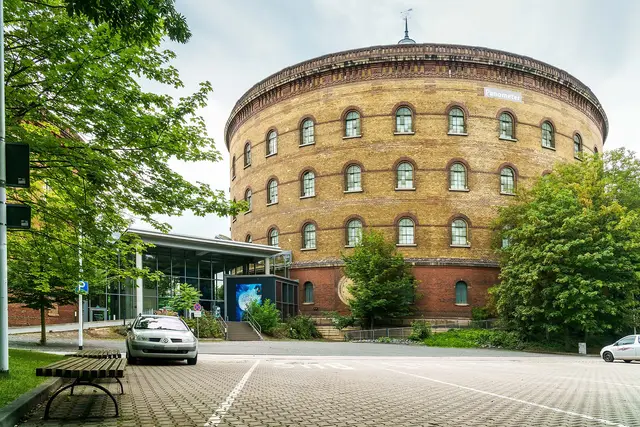 hidden gem