Japan · Region
Nagasaki
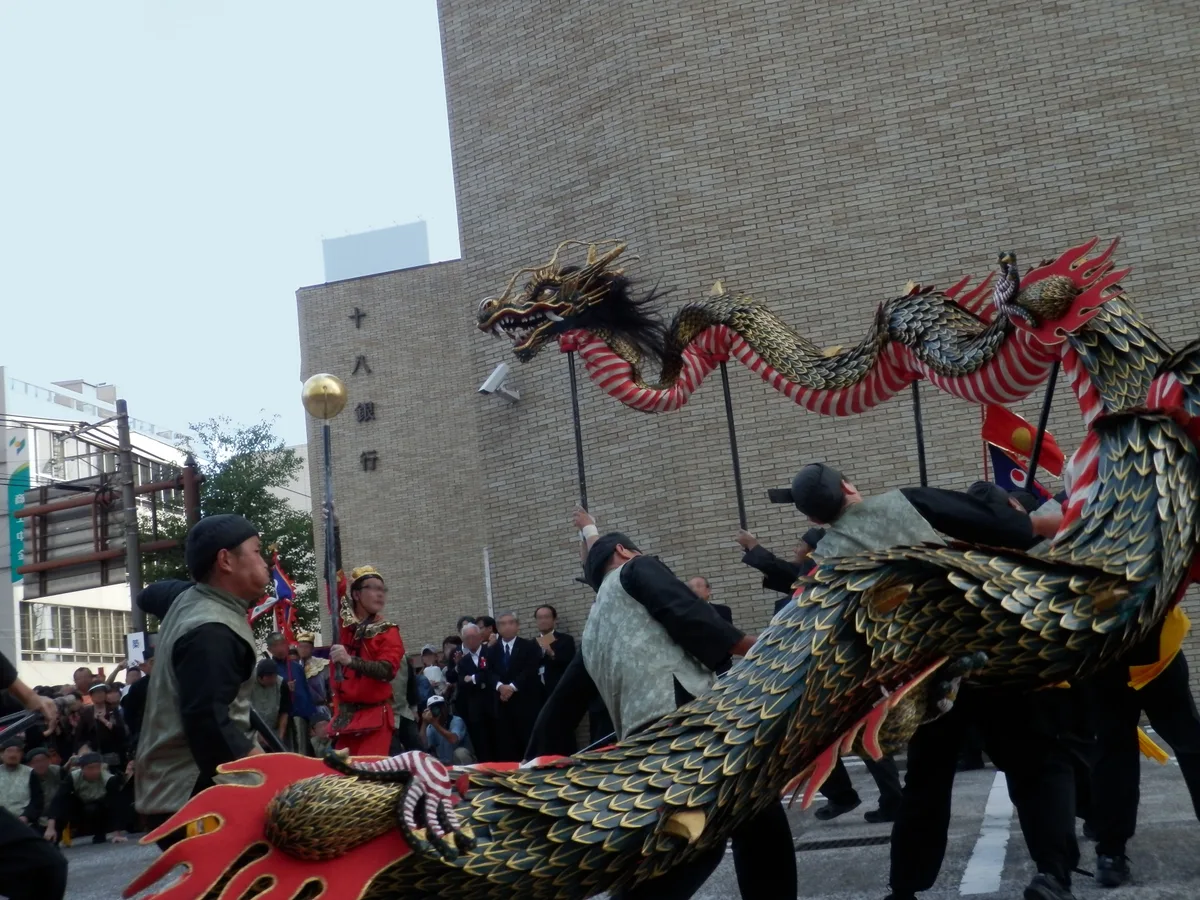
Nagasaki spent centuries as Japan's only window to the outside world, and that layered history of Dutch traders, Chinese merchants and Portuguese missionaries still shapes its hillside streets, temples and harbour views. It is also, inescapably, one of the two cities destroyed by an atomic bomb, and its Peace Park and museum sit alongside that older, more cosmopolitan story.
Top-rated things to do in Nagasaki
Booking links are affiliate links — booking through them supports our free guides at no extra cost to you.
Where to stay in Nagasaki
Compare Nagasaki hotels and stays at the lowest price — deals, ratings, and real traveler reviews.
Search hotels in Nagasaki →Booking links are affiliate links — booking through them supports our free guides at no extra cost to you.
Plan your trip to Nagasaki
Japan eSIM & staying connected →
Some links above are affiliate links — if you book through them, Wander Atlas earns a small commission at no extra cost to you. It's how we keep every guide free.
When to visit Japan: month-by-month weather, crowds and holidays →
Frequently asked questions about Nagasaki
How do I get to Nagasaki?
Most visitors fly into Nagasaki Airport (NGS), on reclaimed land in Ōmura Bay, then take a limousine bus into the city centre. By rail, Nagasaki Station is reached via the Nishikyushu Shinkansen "Kamome" from Takeo-Onsen, with a cross-platform transfer there from the "Relay Kamome" limited express coming from Hakata (Fukuoka), a journey of roughly ~2 hours in total.
How many days should I spend in Nagasaki?
Plan on ~2 to 3 days, enough to cover the Peace Park and atomic bomb museum, the old foreign quarter around Glover Garden and Dejima, and a slower evening in the hillside streets above the harbour.
What is Nagasaki known for?
Nagasaki spent centuries as Japan's only window to the outside world, and that layered history of Dutch traders, Chinese merchants and Portuguese missionaries still shapes its hillside streets, temples and harbour views. It is also, inescapably, one of the two cities destroyed by an atomic bomb, and its Peace Park and museum sit alongside that older, more cosmopolitan story.