
Peru · Region
Ollantaytambo
Photo: Yanela Ccalluco Vargas / Wikimedia Commons (CC BY-SA 4.0)
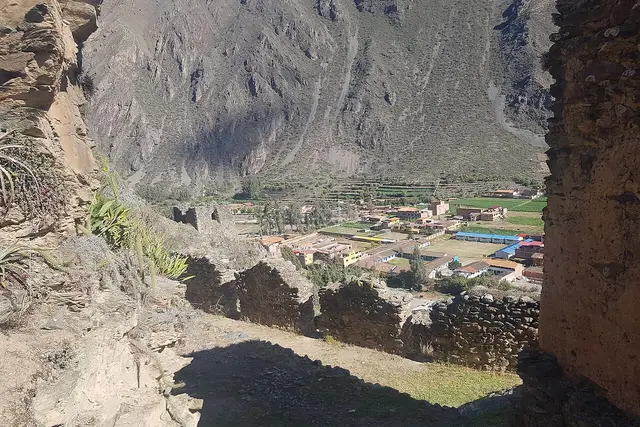
Ollantaytambo is a living Inca town where terraced fortress walls rise directly above streets still laid out on their original fifteenth-century grid. Unlike most archaeological sites in Peru, its canals, trapezoidal doorways and stone foundations remain in daily use by residents, making it as much a working village as a monument.
Top-rated things to do in Ollantaytambo
Booking links are affiliate links — booking through them supports our free guides at no extra cost to you.
Where to stay in Ollantaytambo
Compare Ollantaytambo hotels and stays at the lowest price — deals, ratings, and real traveler reviews.
Search hotels in Ollantaytambo →Booking links are affiliate links — booking through them supports our free guides at no extra cost to you.
Plan your trip to Ollantaytambo
Peru eSIM & staying connected →
Some links above are affiliate links — if you book through them, Wander Atlas earns a small commission at no extra cost to you. It's how we keep every guide free.
When to visit Peru: month-by-month weather, crowds and holidays →
Frequently asked questions about Ollantaytambo
How do I get to Ollantaytambo?
Most travellers arrive overland from Cusco by taxi, private transfer or bus, a journey of roughly 1.5 to 2 hours through the Sacred Valley. Ollantaytambo is also the principal rail departure point for trains to Machu Picchu, with Cusco's Alejandro Velasco Astete International Airport (CUZ) serving as the nearest air gateway.
How many days should I spend in Ollantaytambo?
Plan on ~1 day to explore the fortress ruins and old town on foot, or ~2 days if combining it with a Sacred Valley stopover before continuing on to Machu Picchu.
What is Ollantaytambo known for?
Ollantaytambo is a living Inca town where terraced fortress walls rise directly above streets still laid out on their original fifteenth-century grid. Unlike most archaeological sites in Peru, its canals, trapezoidal doorways and stone foundations remain in daily use by residents, making it as much a working village as a monument.