
Argentina · Region
Puerto Iguazu
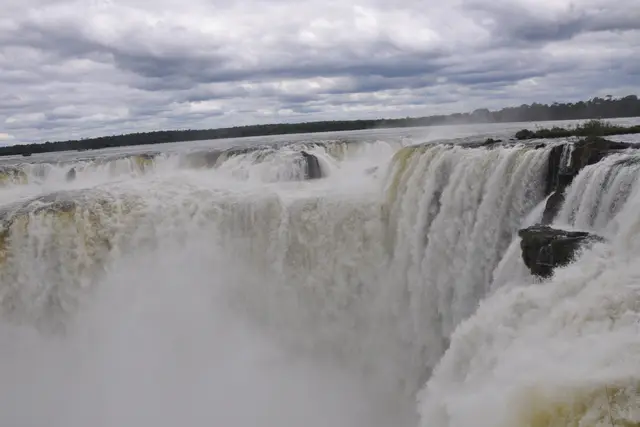
Photo: Jorge Láscar from Australia / Wikimedia Commons (CC BY 2.0)
Puerto Iguazu sits in Argentina's subtropical Misiones province, right at the point where Argentina, Brazil and Paraguay meet, and it exists almost entirely as a gateway to the thundering Iguazu Falls next door. The town itself is low-key and green, a base of guesthouses and asado joints rather than a destination in its own right, built around the rhythm of falls visits and river views.
Top-rated things to do in Puerto Iguazu
Booking links are affiliate links — booking through them supports our free guides at no extra cost to you.
Where to stay in Puerto Iguazu
Compare Puerto Iguazu hotels and stays at the lowest price — deals, ratings, and real traveler reviews.
Search hotels in Puerto Iguazu →Booking links are affiliate links — booking through them supports our free guides at no extra cost to you.
Plan your trip to Puerto Iguazu
Argentina eSIM & staying connected →
Some links above are affiliate links — if you book through them, Wander Atlas earns a small commission at no extra cost to you. It's how we keep every guide free.
When to visit Argentina: month-by-month weather, crowds and holidays →
Frequently asked questions about Puerto Iguazu
How do I get to Puerto Iguazu?
Most travellers fly into Cataratas del Iguazú International Airport (IGR), located about 20km from town, then take a shuttle, public bus or taxi into the centre, a journey of roughly 30 to 45 minutes. Long-distance buses from Buenos Aires, Posadas and other Argentine cities also arrive at the Terminal de Ómnibus de Puerto Iguazú in the town centre.
How many days should I spend in Puerto Iguazu?
Plan on ~2 to 3 days: one full day for the Argentine side of the falls, which has far more trails and viewpoints than the Brazilian side, plus extra time if you want to cross into Brazil or Paraguay or add a boat excursion under the falls.
What is Puerto Iguazu known for?
Puerto Iguazu sits in Argentina's subtropical Misiones province, right at the point where Argentina, Brazil and Paraguay meet, and it exists almost entirely as a gateway to the thundering Iguazu Falls next door. The town itself is low-key and green, a base of guesthouses and asado joints rather than a destination in its own right, built around the rhythm of falls visits and river views.