
Peru · Region
Puno
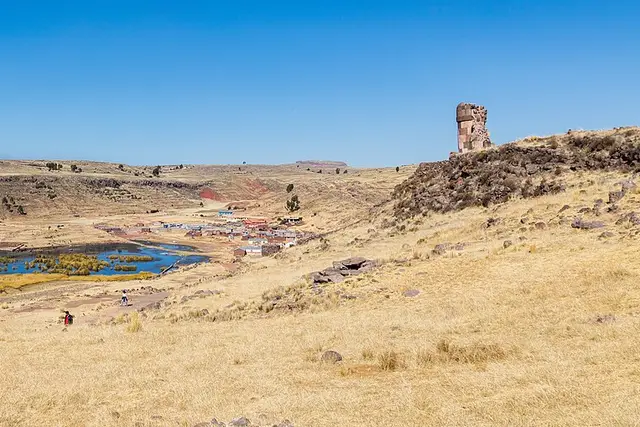
Puno sits on the shore of Lake Titicaca at over 3,800 metres above sea level, making it the launchpad for visits to the lake's floating Uros islands and traditional communities like Taquile. Known as Peru's "City of the Lake," it blends a high-altitude Andean urban centre with access to one of South America's most striking natural and cultural landscapes.
Top-rated things to do in Puno
Booking links are affiliate links — booking through them supports our free guides at no extra cost to you.
Where to stay in Puno
Compare Puno hotels and stays at the lowest price — deals, ratings, and real traveler reviews.
Search hotels in Puno →Booking links are affiliate links — booking through them supports our free guides at no extra cost to you.
Plan your trip to Puno
Peru eSIM & staying connected →
Some links above are affiliate links — if you book through them, Wander Atlas earns a small commission at no extra cost to you. It's how we keep every guide free.
When to visit Peru: month-by-month weather, crowds and holidays →
Frequently asked questions about Puno
How do I get to Puno?
Puno has no commercial airport, so travellers fly into Inca Manco Cápac International Airport (JUL) in nearby Juliaca and continue overland by taxi or transfer (~45 minutes to an hour) to reach the city. Many visitors instead arrive overland from Cusco, either by long-distance bus or on the scenic PeruRail route linking Cusco, Juliaca and Puno.
How many days should I spend in Puno?
Plan on ~2 days to cover Puno's highlights, enough time for a half or full day on the lake visiting the Uros islands and Taquile, plus time in the city itself.
What is Puno known for?
Puno sits on the shore of Lake Titicaca at over 3,800 metres above sea level, making it the launchpad for visits to the lake's floating Uros islands and traditional communities like Taquile. Known as Peru's "City of the Lake," it blends a high-altitude Andean urban centre with access to one of South America's most striking natural and cultural landscapes.