Egypt · Region
Siwa
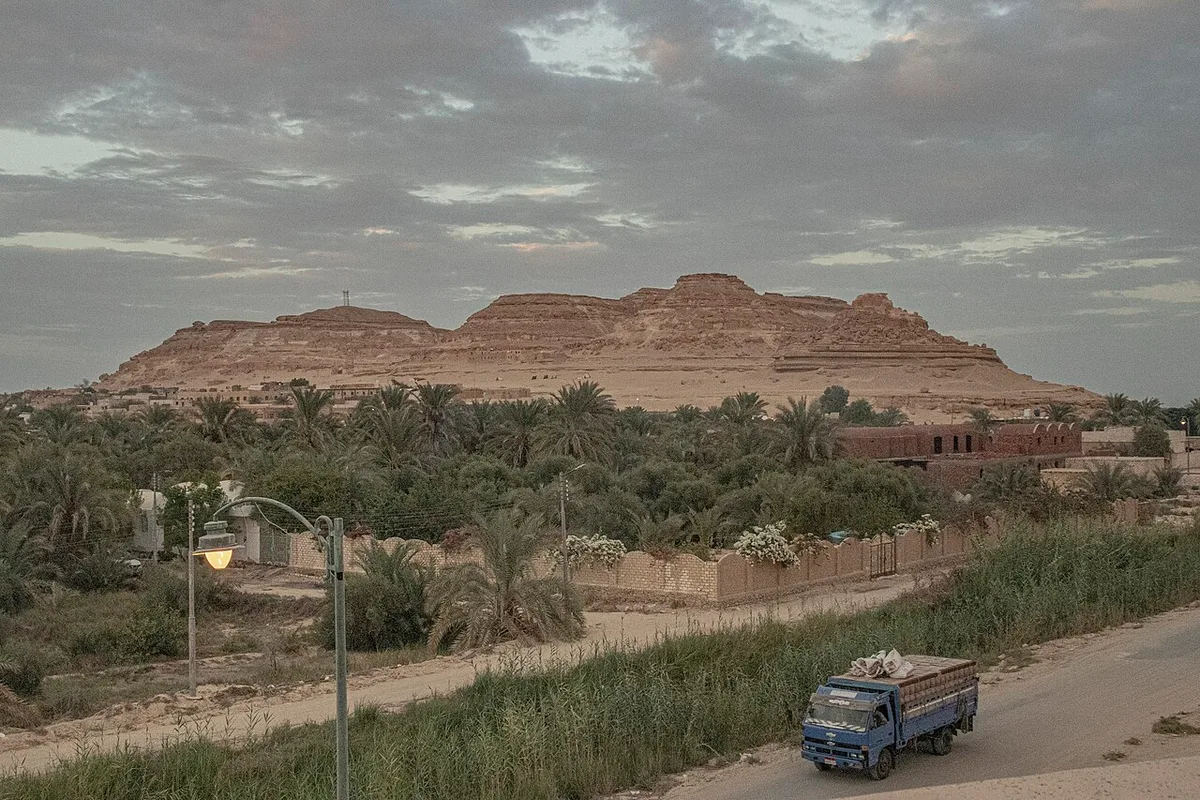
Photo: HassanKamel52 (CC BY-SA 4.0)
Siwa is Egypt's most remote inhabited oasis, a mudbrick town of palm groves and salt lakes tucked near the Libyan border, where Berber tradition still shapes daily life far from the Nile Valley. Its isolation, crowned by the ruined Oracle Temple that once drew Alexander the Great, has kept Siwa feeling like a world apart.
Top-rated things to do in Siwa
Booking links are affiliate links — booking through them supports our free guides at no extra cost to you.
Where to stay in Siwa
Compare Siwa hotels and stays at the lowest price — deals, ratings, and real traveler reviews.
Search hotels in Siwa →Booking links are affiliate links — booking through them supports our free guides at no extra cost to you.
Plan your trip to Siwa
Egypt eSIM & staying connected →
Some links above are affiliate links — if you book through them, Wander Atlas earns a small commission at no extra cost to you. It's how we keep every guide free.
When to visit Egypt: month-by-month weather, crowds and holidays →
Frequently asked questions about Siwa
How do I get to Siwa?
Siwa has no airport of its own, and the rail network does not reach it either; the nearest airport is Marsa Matruh (MUH), roughly 300km north. Most travellers reach Siwa by direct overnight bus from Cairo, a journey of ~9 to 11 hours, or by bus or taxi via Marsa Matruh if coming from the coast.
How many days should I spend in Siwa?
Plan on ~3 to 4 days, enough time for the long journey in, a full day exploring the old fortress town and Oracle Temple, and time to relax by the salt lakes and springs before the trip back.
What is Siwa known for?
Siwa is Egypt's most remote inhabited oasis, a mudbrick town of palm groves and salt lakes tucked near the Libyan border, where Berber tradition still shapes daily life far from the Nile Valley. Its isolation, crowned by the ruined Oracle Temple that once drew Alexander the Great, has kept Siwa feeling like a world apart.