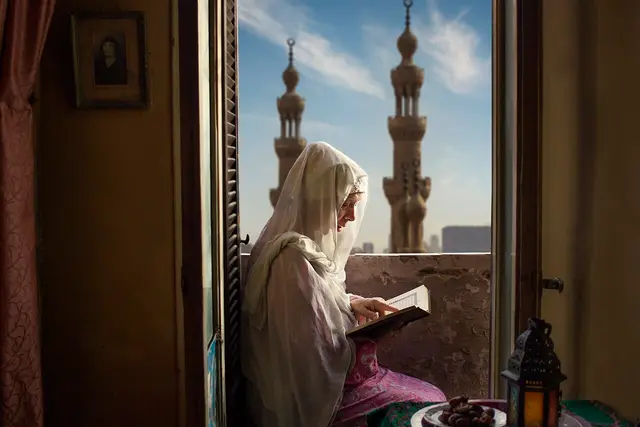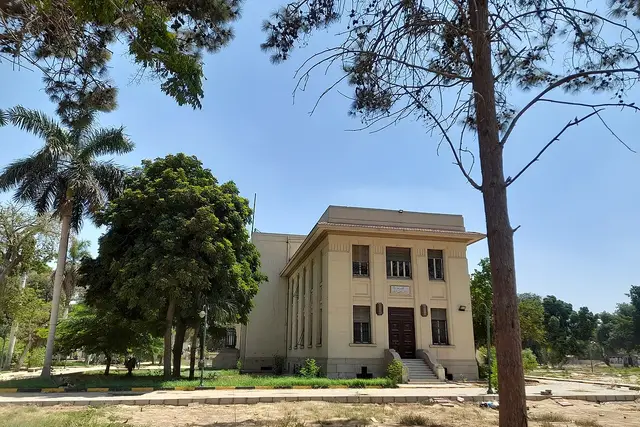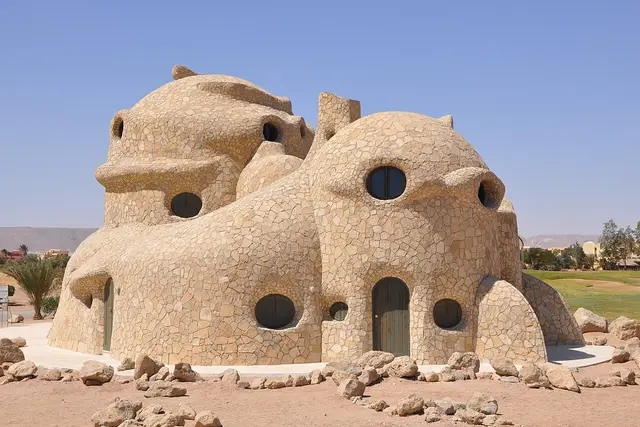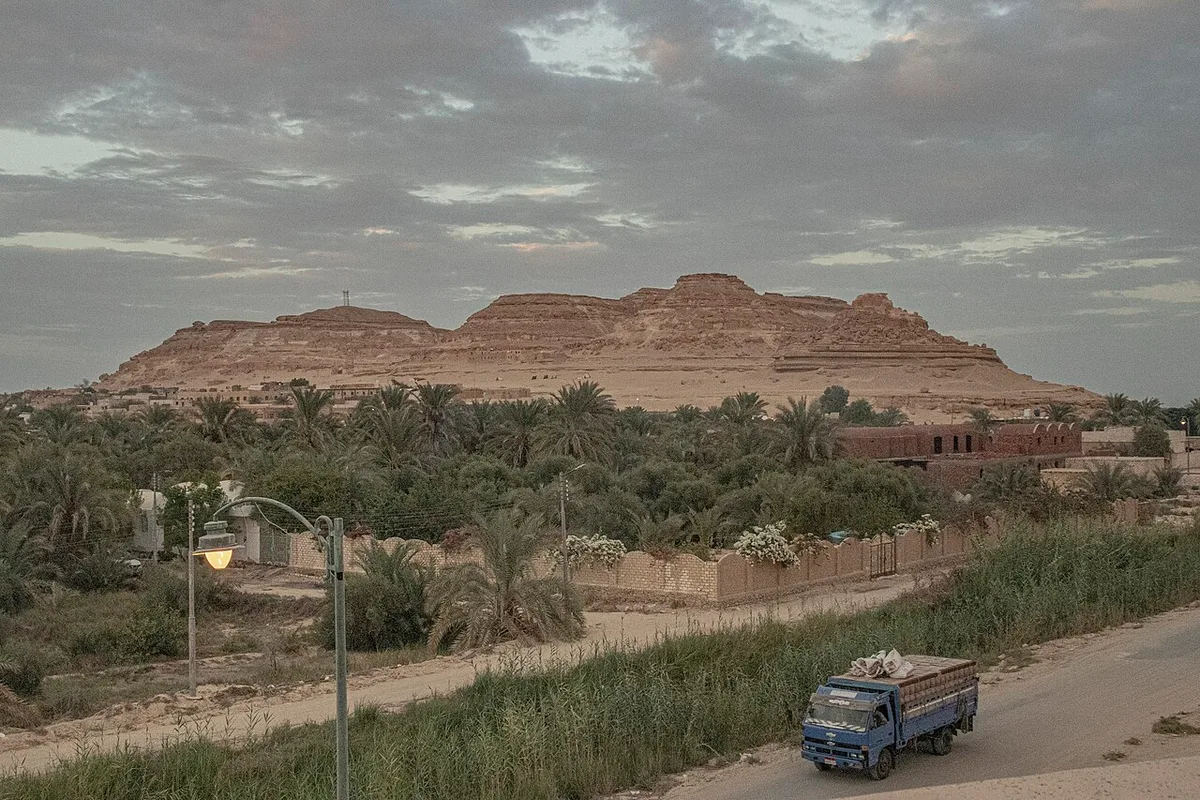
Siwa sits about 50 kilometres from the Libyan border, a long green strip of date palms and olive groves in a hollow below sea level. Salt lakes catch the sky on one side. Dunes of the Great Sand Sea roll in on the other. For three days in November 2026, Dawayer Festival brings a programme of music, art, wellness and dining to an ecolodge inside it.
The name means “circles” in Arabic. That fits a small, contained gathering better than a stadium show, and the festival frames its weekend that way: set times sit beside slower sessions and shared meals.
The weekend at a glance
Here is what is fixed. The festival runs from November 19 to November 21, 2026, Thursday to Saturday. It is held at an ecolodge in Siwa Oasis.
The programme combines four strands:
- Music, the backbone of the weekend
- Art, shown alongside the performances
- Wellness sessions, which suit the oasis setting and its cool mornings
- Special dining experiences, the meals treated as events in their own right
Lineup, ticket types and session times sit with the festival itself. Tickets and the full programme are sold and published through Dawayer’s own channels, and that is where attendees go for them.
Reaching the far west of Egypt
Siwa is remote, and the journey is part of the weekend. The oasis lies roughly 300 kilometres southwest of Marsa Matruh on a single desert road. From Cairo, the whole drive usually takes eight to ten hours.
Most festival-goers come one of three ways:
- Bus: West & Middle Delta buses run from Cairo and Alexandria to Siwa, usually overnight, stopping in Marsa Matruh.
- Private car or driver: the coast road to Marsa Matruh, then south through the desert.
- Fly part-way: some people fly to Marsa Matruh or El Alamein and drive the rest.
The desert road has police and military checkpoints. Foreign visitors carry their passport within reach, because it is asked for more than once. Inside the oasis, tuk-tuks and the odd donkey cart cover short distances between town and the lodges.
Mud-salt walls and the November climate
November is one of Siwa’s best months. Days are warm and dry, usually comfortable for walking. Nights in the desert drop sharply, so evening sets outdoors call for a proper layer.
The traditional building material here is kershef, a mix of salt-crusted rock and mud. You see it everywhere in the old core. The ruined Shali fortress rises over the town centre in this material, its walls melted into rounded shapes by rare heavy rains. Many of the oasis’s ecolodges echo the style.
Electricity, signal and Wi-Fi can be patchy outside town. Attendees usually treat that as part of the appeal rather than a problem.
Siwa beyond the festival grounds
Most visitors who travel this far stay longer than three nights. The oasis rewards a day or two either side of the festival.
- Shali: climb the old fortress at sunset for a view over palm groves and the salt lakes.
- Temple of the Oracle of Amun at Aghurmi: the hilltop temple Alexander the Great visited in 331 BC.
- Gebel al-Mawta (Mountain of the Dead): rock-cut tombs with painted interiors, just north of town.
- Cleopatra’s Spring: a round stone-lined pool fed by a natural spring, where people swim.
- Fatnas Island: a palm-fringed spit on Birket Siwa, a popular sunset spot.
- The salt lakes: water so salty you float without effort.
- Great Sand Sea: 4x4 trips into the dunes, often with a hot-spring stop and sandboarding.
A sensible plan gives the festival its three days and adds one day each for town sights and the desert.
Moving through Siwa’s small-town rules
Siwa is a conservative, close-knit community. Its people are Amazigh, and among themselves they speak Siwi, a Berber language, alongside Arabic. A greeting of salaam alaykum goes a long way.
Dress in town is modest for everyone. Shoulders and knees are covered. Many Siwan women wear full covering and are rarely photographed, so cameras stay down unless permission is clear. Ask men before photographing them too.
Alcohol is not sold in Siwa town, and drinking in public causes real offence. What happens inside a private venue is governed by that venue. Card terminals are scarce outside the larger lodges, so most visitors carry Egyptian pounds from Cairo or Alexandria. The few ATMs in town do not always cooperate.
Dates on the trees, olives in the press
November falls in the season after the date harvest, and dates are Siwa’s signature. You find them piled in shops around the main square, along with local olives and olive oil. Siwan baskets and embroidered silver-thread textiles sit beside them.
That makes the festival’s dining strand a natural fit. Siwan cooking leans on these same ingredients, and the oasis has long sold its dates and oil to the rest of Egypt. A bag of Siwan dates is the souvenir most visitors carry home.
Where people stay
Accommodation in Siwa falls into two groups. Simple guesthouses and hotels cluster around the town centre near Shali. Ecolodges are spread through the palm groves and along the lakes, some a fair drive out.
Staying at or near the festival venue saves late-night transport across dark desert roads. Those in town usually arrange a driver or tuk-tuk for the evenings, since transport after dark is thinner than in daytime. Rooms in an oasis this small are limited, and a festival weekend in a prime month draws visitors from Cairo and abroad.
Frequently asked questions
When is Dawayer Festival 2026?
It runs from November 19 to November 21, 2026, Thursday to Saturday, in Siwa Oasis, Egypt.
Where is the festival held?
At an ecolodge in Siwa Oasis, in Egypt's Western Desert about 300 km southwest of Marsa Matruh. The weekend combines music, art, wellness and special dining.
How do people get to Siwa from Cairo?
Most take an overnight West & Middle Delta bus from Cairo or Alexandria via Marsa Matruh, or drive. The trip from Cairo usually takes eight to ten hours. Foreign visitors carry their passport for the desert checkpoints.
What is the weather like in Siwa in November?
Days are usually warm and dry, but desert nights get cold, so attendees pack a warm layer for evening performances.
What else is there to see nearby?
The Shali fortress, the Temple of the Oracle of Amun at Aghurmi, Gebel al-Mawta tombs, Cleopatra's Spring, Fatnas Island at sunset, the salt lakes and 4x4 trips into the Great Sand Sea.
Plan your trip to Siwa
Egypt eSIM & staying connected →
Some links above are affiliate links — if you book through them, Wander Atlas earns a small commission at no extra cost to you. It's how we keep every guide free.