Japan · Region
Tokushima
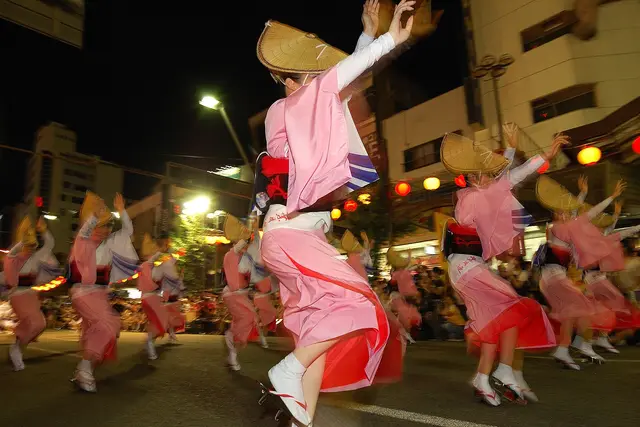
Tokushima, on the eastern coast of Shikoku, is best known for two dramatically different spectacles: the thunderous Naruto Strait whirlpools — among the largest tidal whirlpools in the world — and the exuberant summer street dancing of Awa Odori, a 400-year-old tradition that turns the prefectural capital into an all-night party each mid-August. Beyond these headline draws, the prefecture's interior hides the remote, vine-bridged Iya Valley and deep mountain scenery, since roughly 80% of Tokushima is covered by mountains.
Top-rated things to do in Tokushima
Live prices from Klook. Booking through these links supports our free guides at no extra cost to you.
Where to stay in Tokushima
Compare Tokushima hotels and stays at the lowest price — deals, ratings, and real traveler reviews.
Search hotels in Tokushima →Booking links are affiliate links — booking through them supports our free guides at no extra cost to you.
Plan your trip to Tokushima
Some links above are affiliate links — if you book through them, Wander Atlas earns a small commission at no extra cost to you. It's how we keep every guide free.
Frequently asked questions about Tokushima
How do I get to Tokushima?
Tokushima Awa Odori Airport (TKS) has regular domestic flights from Tokyo Haneda and Fukuoka, with bus services connecting the airport to Tokushima Station; travellers from the Kansai region typically arrive by highway bus from Osaka or Kobe, or by JR Shikoku's limited express "Uzushio" train from Okayama.
How many days should I spend in Tokushima?
Plan on ~2-3 days to cover the essentials — a day in Tokushima City for Awa Odori culture and Mt. Bizan, plus a side trip to the Naruto whirlpools — or extend to 4-5 days if venturing further into the mountainous Iya Valley.
What is Tokushima known for?
Tokushima, on the eastern coast of Shikoku, is best known for two dramatically different spectacles: the thunderous Naruto Strait whirlpools — among the largest tidal whirlpools in the world — and the exuberant summer street dancing of Awa Odori, a 400-year-old tradition that turns the prefectural capital into an all-night party each mid-August. Beyond these headline draws, the prefecture's interior hides the remote, vine-bridged Iya Valley and deep mountain scenery, since roughly 80% of Tokushima is covered by mountains.