Indonesia · Region
Toraja
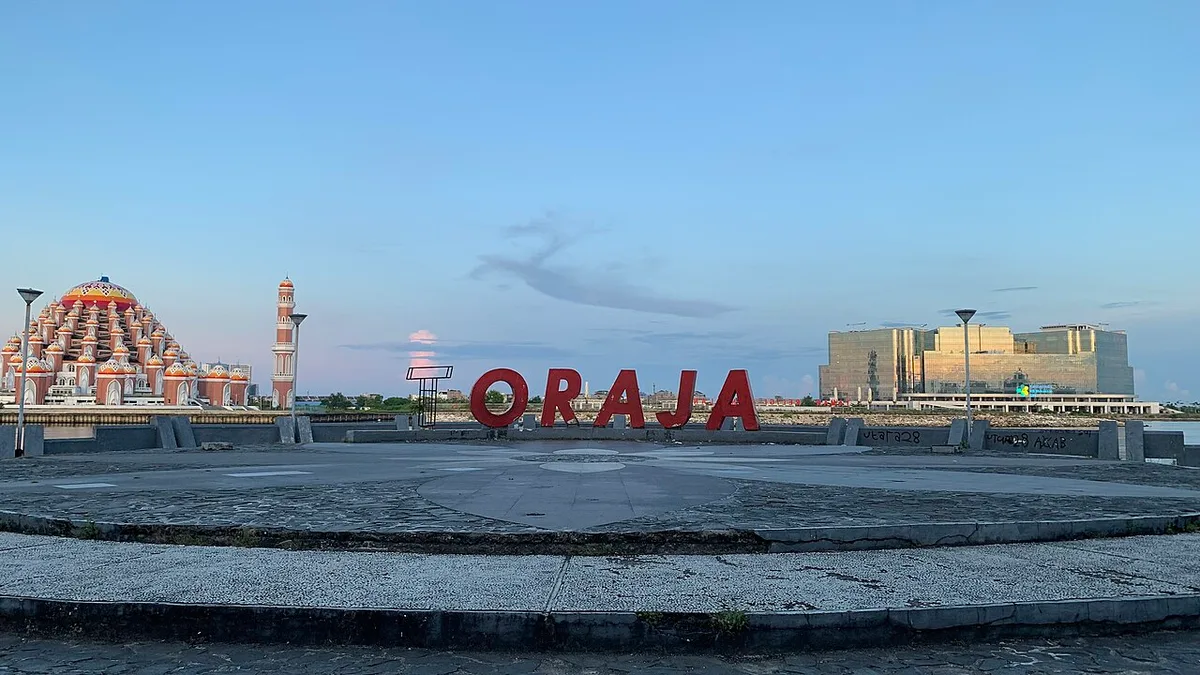
Photo: Aqilla Rahmi (CC BY-SA 4.0)
In the mountainous highlands of South Sulawesi, Toraja is known for elaborate multi-day funeral ceremonies involving buffalo sacrifice, cliffside tombs and villages of soaring saddle-roofed tongkonan houses. Here, death is treated not as an ending but as a long, communal passage, making the region one of Indonesia's most distinctive cultural destinations.
Top-rated things to do in Toraja
Booking links are affiliate links — booking through them supports our free guides at no extra cost to you.
Where to stay in Toraja
Compare Toraja hotels and stays at the lowest price — deals, ratings, and real traveler reviews.
Search hotels in Toraja →Booking links are affiliate links — booking through them supports our free guides at no extra cost to you.
Plan your trip to Toraja
Indonesia eSIM & staying connected →
Some links above are affiliate links — if you book through them, Wander Atlas earns a small commission at no extra cost to you. It's how we keep every guide free.
When to visit Indonesia: month-by-month weather, crowds and holidays →
Frequently asked questions about Toraja
How do I get to Toraja?
Most travellers fly into Makassar's Sultan Hasanuddin International Airport (UPG) and continue on to Toraja Airport (TRT), a short regional flight of under an hour; when that route isn't running, the reliable fallback is an overnight bus from Makassar's bus terminals to Rantepao. Overland, the journey takes roughly 8-10 hours by road through the Sulawesi highlands.
How many days should I spend in Toraja?
Plan on ~3-4 days to cover the main burial sites, traditional villages and markets around Rantepao and Makale, with extra time if you hope to witness an actual funeral ceremony.
What is Toraja known for?
In the mountainous highlands of South Sulawesi, Toraja is known for elaborate multi-day funeral ceremonies involving buffalo sacrifice, cliffside tombs and villages of soaring saddle-roofed tongkonan houses. Here, death is treated not as an ending but as a long, communal passage, making the region one of Indonesia's most distinctive cultural destinations.