Turkey · Region
Trabzon
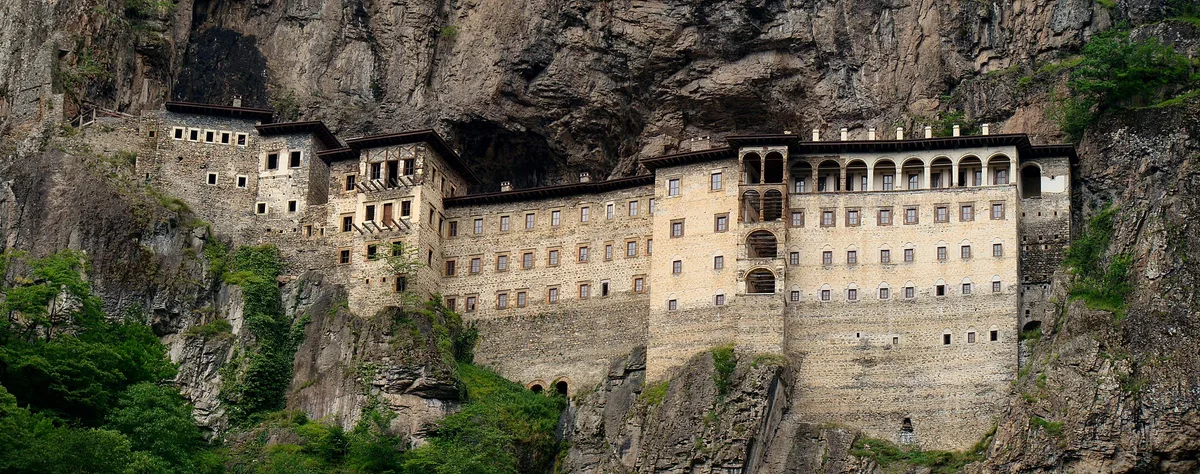
Photo: Bjørn Christian Tørrissen / Wikimedia Commons (CC BY-SA 3.0)
Perched on the Black Sea coast beneath green, mist-wrapped mountains, Trabzon blends a historic Ottoman-Byzantine old town with dramatic highland scenery just inland, including the cliffside Sümela Monastery. It's the gateway to Turkey's lush eastern Black Sea region, a landscape of tea terraces, alpine plateaus (yaylas), and a culture distinct from the rest of the country.
Top-rated things to do in Trabzon
Booking links are affiliate links — booking through them supports our free guides at no extra cost to you.
Where to stay in Trabzon
Compare Trabzon hotels and stays at the lowest price — deals, ratings, and real traveler reviews.
Search hotels in Trabzon →Booking links are affiliate links — booking through them supports our free guides at no extra cost to you.
Plan your trip to Trabzon
Turkey eSIM & staying connected →
Some links above are affiliate links — if you book through them, Wander Atlas earns a small commission at no extra cost to you. It's how we keep every guide free.
When to visit Turkey: month-by-month weather, crowds and holidays →
Frequently asked questions about Trabzon
How do I get to Trabzon?
Most travelers arrive via Trabzon Airport (TZX), which has domestic connections to Istanbul and Ankara and some international routes; there is no mainline passenger rail to Trabzon, so overland travelers rely on long-distance buses into the city's otogar (bus terminal). A light rail line linking the airport to the seafront is under construction but not yet operational.
How many days should I spend in Trabzon?
Plan on ~2-3 days to cover the city center, Sümela Monastery, and a nearby highland plateau at a relaxed pace.
What is Trabzon known for?
Perched on the Black Sea coast beneath green, mist-wrapped mountains, Trabzon blends a historic Ottoman-Byzantine old town with dramatic highland scenery just inland, including the cliffside Sümela Monastery. It's the gateway to Turkey's lush eastern Black Sea region, a landscape of tea terraces, alpine plateaus (yaylas), and a culture distinct from the rest of the country.