3-Day Itinerary Rainy-day swaps included
3-Day Hiroshima Itinerary:Peace Park, Miyajima and Mitaki Temple
This is a 3-day Hiroshima itinerary: day one is a walkable loop around the Atomic Bomb Dome and Peace Memorial Park area in Naka Ward, day two heads out to Miyajima island for Itsukushima Jinja before returning for the Peace Memorial Museum, and day three crosses Nishi, Naka, and Saeki wards from Mitaki Temple to Peace Memorial Park to the Botanical Garden.
✓ Hours, ratings, and directions come from Google Places · routes are computed from real coordinates · updated November 14, 2026
How this guide is made
Produced with AI assistance and reviewed against live data sources. Facts such as hours, ratings, and location come from Google Places; images are licensed or public domain. Details can change — please verify before visiting. Editorial policy
Day 1 · Peace Park and the Dome in Naka Ward
Day one stays in Naka Ward, moving from a rooftop view of the city down to the riverside memorials and into the evening's art collection. It's a walkable loop that pairs the Atomic Bomb Dome with okonomiyaki at a local counter spot and a quiet close at the museum.
- Morning
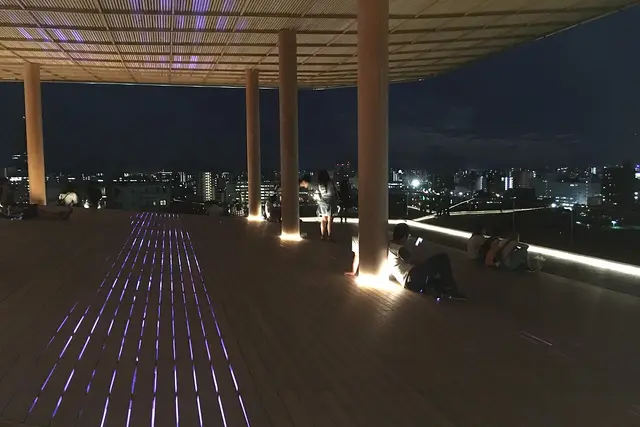
Hiroshima Orizuru Tower
Its open-air rooftop deck looks straight down onto the Atomic Bomb Dome and Peace Memorial Park, making it a natural first stop to orient yourself before heading down to ground level.
Quietest: 10–11 AM Time to allow: ~1.5 hHow to get there
The address is 1-chōme-2-1 Ōtemachi. The quickest way in is the Hiroden streetcar to Genbaku Dome-mae stop, on lines 2 and 6 from Hiroshima Station. The tower is across the road from the stop. The ride takes about 15 minutes, and you pay as you leave by the rear door.
- ~3 min walk (0.2 km) Directions →
- Lunch
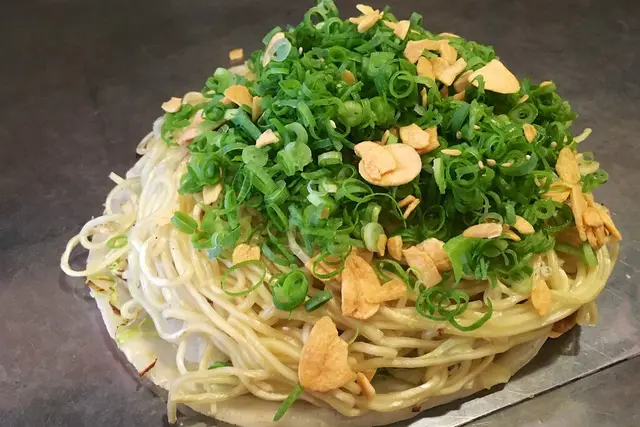
Nagataya
This counter-and-teppan spot in Otemachi is a short walk from Peace Memorial Park and serves the classic Hiroshima-style soba-iri okonomiyaki, a fitting local lunch between morning and afternoon stops.
Closed Tuesday Time to allow: ~53 minHow to get there
If arriving from Hiroshima Station, take any tram bound for Hiroshima Port or Eba and get off at Chuden-mae or Fukuromachi; the ride takes roughly 15-20 minutes. Walking from the Peace Memorial Park takes about 10 minutes, making it a natural lunch stop after visiting the museum and A-Bomb Dome.
- ~3 min walk (0.2 km) Directions →
- Afternoon
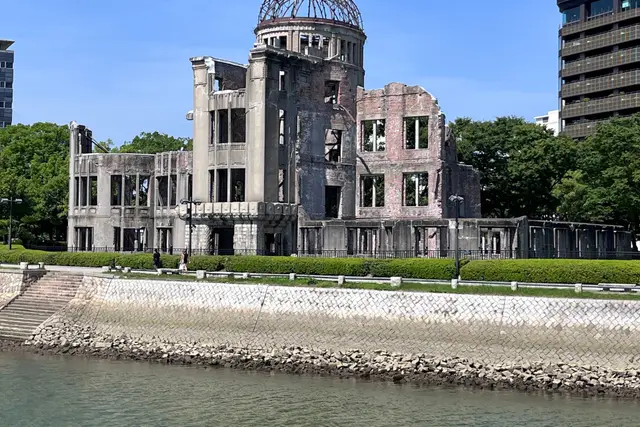
Atomic Bomb Dome
Sitting right on the Motoyasu River a couple of minutes from Peace Memorial Park, the Dome is the historic centerpiece of the day and needs only a short visit before continuing into the park.
Time to allow: ~30 minHow to get there
The Dome is at 1-chōme-1-10 Ōtemachi, Naka Ward, right on the east bank of the Motoyasu River. The easiest approach is by tram (streetcar), Hiroshima's iconic, still-running electric tram network. Take any tram heading toward Hiroshima Station/Eba/Hatchobori lines and get off at the Genbaku Dome-mae stop, which puts you directly across the river from the ruin. From Hiroshima Station, it's roughly a 15-minute tram ride.
- ~9 min walk (0.7 km) Directions →
- Evening
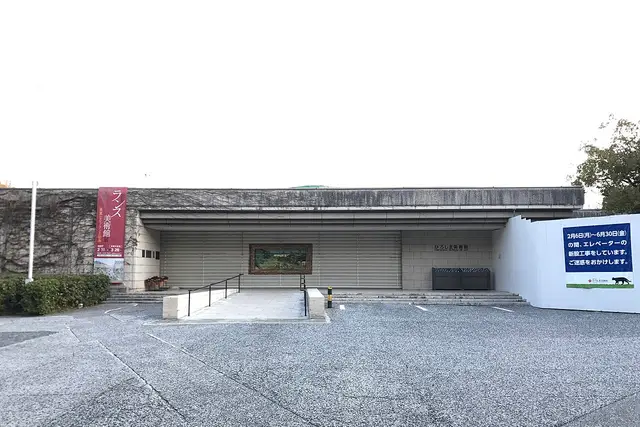
Hiroshima Museum of Art
Inside Hiroshima Central Park and a short walk from Kamiyacho tram stop, the museum's French and Japanese collections make for a calmer, indoor close to the day.
Time to allow: ~1.5 hHow to get there
- Kencho-mae Station on the Astram Line: a short walk west
Day 2 · Miyajima island, then back to Peace Memorial Park
Day two heads out to Hatsukaichi and the island shrine of Itsukushima Jinja, with a stroll along Machiya Street's old wooden lanes, before the evening brings you back to Naka Ward for the Peace Memorial Museum. Expect a transit day: the island and the mainland museum are well apart, so budget time for the ferry and tram connections.
- Morning
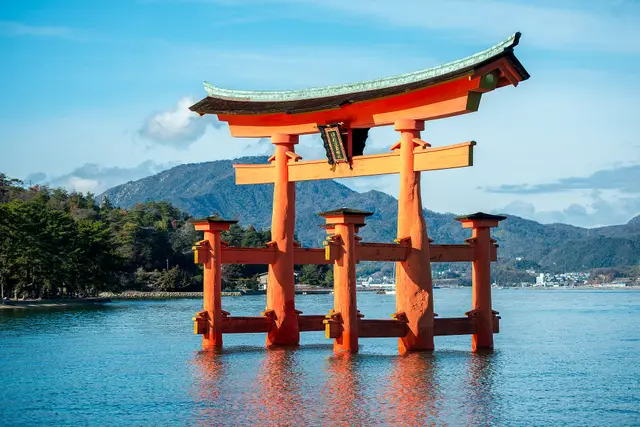
Itsukushima Jinja
The floating torii gate is Miyajima's signature sight, and an early arrival by ferry lets you beat the day-trip crowds while still being able to check tide conditions.
Quietest: 7–9 AM Time to allow: ~53 minHow to get there
From Hiroshima, take the JR Sanyo Line (or the Miyajima ferry direct from Hiroshima Peace Park piers) to Miyajimaguchi Station, about a 25-minute ride from Hiroshima Station. From Miyajimaguchi, it's a two-minute walk to the ferry pier, where either the JR West ferry or the Miyajima Matsudai Kisen ferry crosses to the island in about 10 minutes. Both companies run frequently, and the JR ferry is covered by the Japan Rail Pass.
- Take the subway or a taxi Directions →
- Afternoon
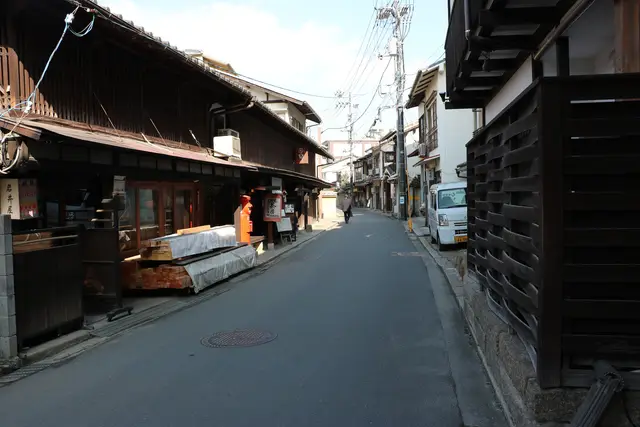
Machiya Street
This quiet lane of old wooden townhouses sits one block inland from the busier Omotesando arcade, giving a calmer, slower look at Miyajima after the shrine.
Time to allow: ~30 minHow to get there
- By train: take the JR Sanyo Line from Hiroshima Station to Miyajimaguchi Station, about half an hour.
- Take the subway or a taxi Directions →
- Evening
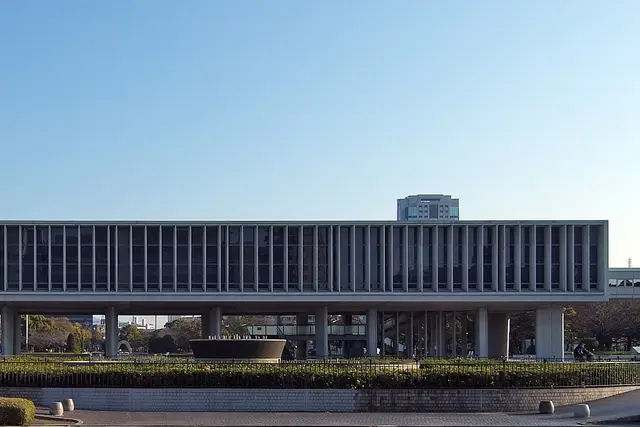
Hiroshima Peace Memorial Museum
Back in Peace Memorial Park, the museum rewards unhurried time with its East and Main Buildings and pairs naturally with the nearby Atomic Bomb Dome and Cenotaph.
Time to allow: ~2 hHow to get there
The museum sits at the southern end of Peace Memorial Park, at 1-2 Nakajimachō in Naka Ward. From Hiroshima Station, the easiest route is the Hiroshima Electric Railway (the city's iconic streetcars). Take a tram bound for Miyajima-guchi or Eba and get off at the Genbaku-Dome-mae stop, then walk south across the river into the park, about five minutes.
Day 3 · Waterfalls, the park, and a garden close
Day three starts in the wooded ravine of Mitaki Temple in Nishi Ward, crosses back to Naka Ward for a slower walk through Peace Memorial Park, then finishes out in Saeki Ward among the greenhouses and flower fields of the Botanical Garden. It's a day of contrasts: quiet forest paths, open memorial grounds, and cultivated garden walks.
- Morning
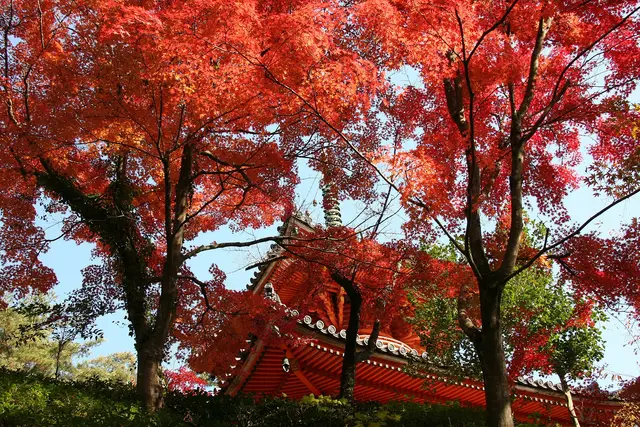
Mitaki Temple
A short train ride from Hiroshima Station, this wooded, waterfall-fed temple with its mossy paths and Jizo statues offers a quiet counterpoint before the day's busier stops.
Quietest: 8–9 AM Time to allow: ~45 minHow to get there
Take the JR Sanyo Line from Hiroshima Station to Mitaki Station. It's a short, roughly 10-minute ride, and only a few stops. From the station, it's about a 15-20 minute walk uphill, following signs through a residential neighborhood before the road narrows and the trees close in. There's no dramatic entrance plaza; you simply arrive at a wooden gate flanked by moss-covered stone lanterns, and the city noise drops away almost immediately.
- Take the subway or a taxi Directions →
- Afternoon
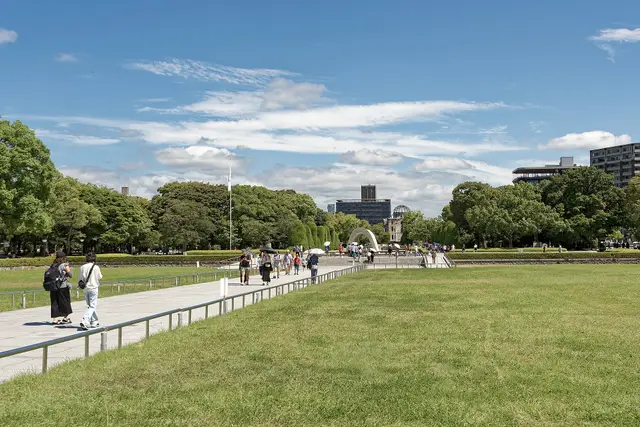
Peace Memorial Park
The park's open grounds, views of the Atomic Bomb Dome, and proximity to the Peace Memorial Museum make it worth a slower, dedicated return visit on this day.
Time to allow: ~1.5 hHow to get there
The park sits at 1 Nakajimacho, Naka Ward, on a delta formed by two branches of the Ota River. From Hiroshima Station, take the Hiroden streetcar (tram) Line 2 or 6 toward Miyajima-guchi/Eba and get off at Genbaku Dome-mae (Atomic Bomb Dome) station. The ride takes about 15–20 minutes and the tram stop puts you right at the park's northern edge, facing the Dome.
- Take the subway or a taxi Directions →
- Evening
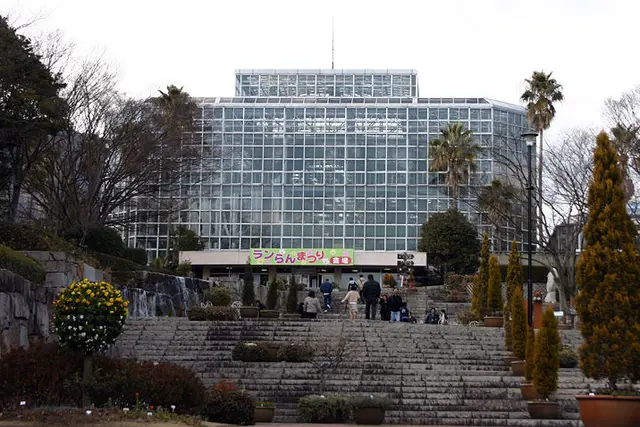
Hiroshima Botanical Garden
This large garden of greenhouses, flower fields, and orchids in Saeki Ward makes a relaxed, green finish to the three-day trip.
Closed Friday Time to allow: ~2 h
Frequently asked questions
How should I get between the stops on this 3-day Hiroshima itinerary?
Day one is walkable within Naka Ward, but day two requires a ferry out to Miyajima island and back, plus a tram connection to the Peace Memorial Museum in the evening. Day three moves between Nishi, Naka, and Saeki wards, so a train and transit combination works best.
Which day involves the most travel time?
Day two covers the most ground, since Itsukushima Jinja sits on Miyajima island and the day ends back in Naka Ward at the Peace Memorial Museum, so build in extra time for the ferry crossing and tram ride.
What's the best time to visit the Atomic Bomb Dome and Peace Memorial Park?
Both spots are included across the itinerary, and early morning or early evening windows tend to be calmer, based on the quiet periods noted for each stop.
Do I need to check tide times for Miyajima?
Yes, the floating torii gate at Itsukushima Jinja looks different depending on the tide, so it's worth checking tide tables before your morning visit.
Is this itinerary heavy on walking?
Day one is a compact, walkable loop in Naka Ward, while days two and three mix shorter walks, like the Machiya Street stroll or the Mitaki Temple paths, with transit between farther-apart stops.
Plan your trip to Hiroshima
Japan eSIM & staying connected →
Some links above are affiliate links — if you book through them, Wander Atlas earns a small commission at no extra cost to you. It's how we keep every guide free.