One block inland from Omotesando
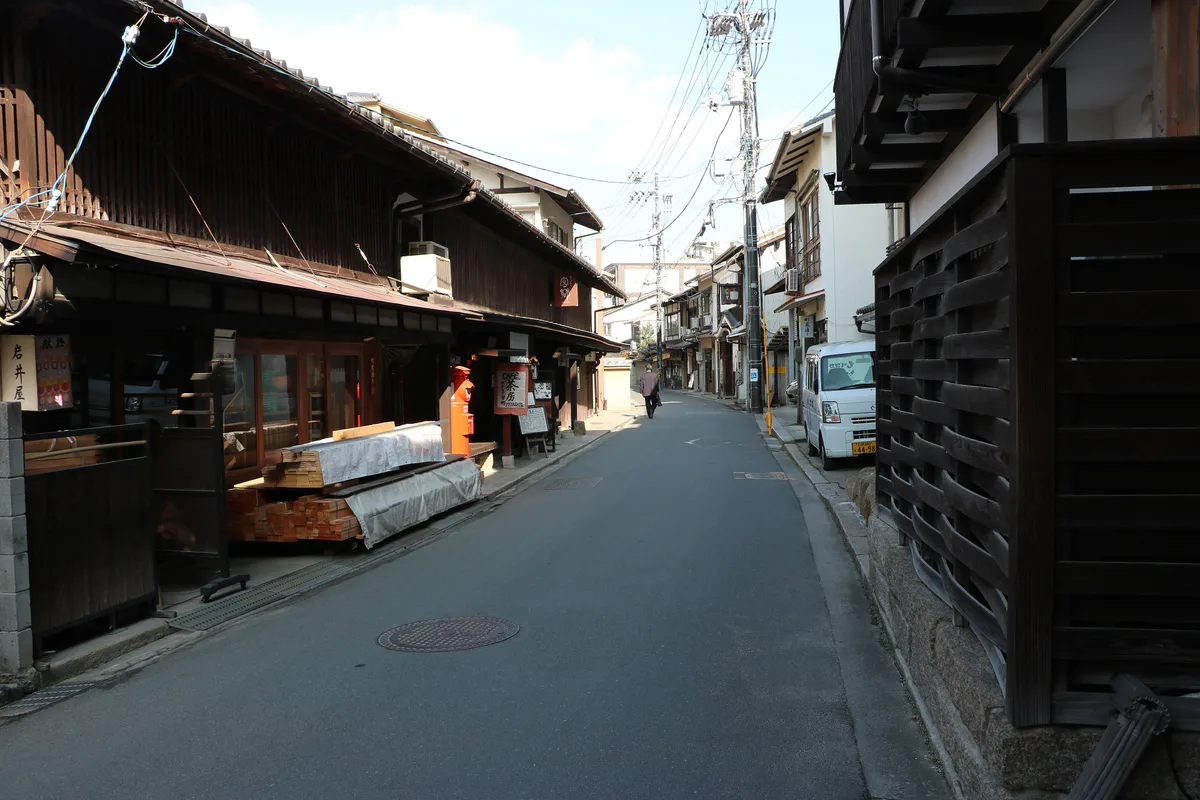
Omotesando is the covered shopping arcade most visitors take from the ferry to Itsukushima Shrine. Machiya Street, or Machiya-dori, is the road running parallel to it, one block inland. It’s close enough to hear the shopping street, but the feel is completely different.
The arcade sells grilled oysters and maple-leaf cakes. Up here you get a narrow road lined with two-storey wooden townhouses, their fronts covered in slatted lattice. Some are now cafés, guesthouses or small shops. Many are still homes, and that’s why the lane stays quiet.
Reading the lattice fronts
Machiya means townhouse: the narrow-fronted, deep-plan merchant houses of old Japanese towns. What sets them apart shows on the outside:
- Koshi lattices: close-set vertical wooden slats over the ground-floor windows. They let light in but stop people seeing inside.
- Low second storeys: the upper floors sit low under tiled eaves, a proportion typical of Edo-period townhouses.
- Narrow frontages: each house presents a slim face to the street and runs a long way back from it.
- Noren and wooden signboards: the houses that trade today usually hang a fabric curtain or a carved board at the door.
The street is short enough to walk slowly and compare houses. Some doorways have been rebuilt in modern materials and others haven’t been touched, so the lane reads as a place people still live in, not a museum set.
Getting across to Miyajima
Machiya Street is on the island of Itsukushima, known to everyone as Miyajima. You can’t drive to it.
- By train: take the JR Sanyo Line from Hiroshima Station to Miyajimaguchi Station, about half an hour.
- By streetcar: Hiroden Line 2 runs from central Hiroshima to Hiroden-miyajima-guchi. It’s slower but has more character.
- Ferry: from the Miyajimaguchi pier, the JR and Matsudai ferries each take about 10 minutes. The JR boat passes closer to the Otorii gate on some crossings.
Miyajima charges a visitor fee, usually collected with your ferry ticket. The ferry company and the official Hatsukaichi city site post the current amount. From Miyajima pier, walk toward the shrine, then turn one block inland from Omotesando to reach Machiya-dori.
The 6pm street
This lane has a timing quirk. On weekends it’s busiest from 10am to 5pm, when the ferry crowds spill over from the arcade. From 6pm to 8pm it’s the calmest it gets all weekend.
That evening window is the reason to plan around it. Most day visitors are heading back to the pier by then, and many souvenir shops on Omotesando pull their shutters. Warm light shows through the lattices, the road empties, and the deer settle into doorways and corners.
The street is open 24 hours, so there’s no gate to beat. The limit is your ferry home, so check the last sailings back to Miyajimaguchi before you let the evening run long. If you’re staying overnight at one of the island’s ryokan, you can walk the lane after dark and again in the morning.
Walking it end to end
Allow 20 to 40 minutes for Machiya Street itself. Add more if you stop at a café. Walking from the pier end toward the shrine makes sense, because the road carries you straight into Miyajima’s main landmarks.
At the far end, a short climb brings you to Senjokaku, the huge unfinished hall of Toyokuni Shrine, with the five-storey pagoda beside it. From that rise you look down over the rooftops toward Itsukushima Shrine and the sea. Walk down from there and you’re at the shrine’s entrance.
Walking this way means you reach the shrine without shuffling through the busiest stretch of the arcade. Come back along Omotesando if you want food: grilled oysters, anago-meshi (conger eel over rice) and momiji manju are Miyajima’s signature bites.
Walking quietly through a lane people live in
Machiya Street is a residential road first. A few habits will make you welcome here:
- Keep your voice down. Sound carries between the wooden fronts, and people inside are going about their day.
- Don’t photograph into homes. Shoot the facades and the street, not through open doors or gaps in the lattice.
- Step aside for bikes and delivery vans. The lane is narrow, and locals and suppliers use it.
- Eat where you bought it. In Japan it’s polite to finish your snack beside the stall, not while walking between houses.
- Guard paper. The deer will eat maps, ferry tickets and shopping bags. Feeding them is discouraged, so keep your hands empty and let them wander past.
- Carry some cash. Small island cafés and shops don’t always take cards, although IC transit cards and QR payments are becoming common.
In cafés set up inside old houses, you may be asked to take your shoes off at a raised step, the agari-kamachi. Look for slippers lined up at the edge, or a sign.
Timing it with the tide and the rest of the island
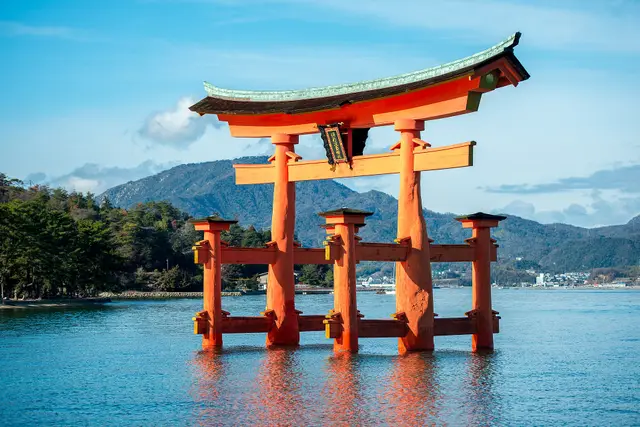
Miyajima changes with the tide, so check a tide table before you pick your hours. At high tide the Otorii and the shrine’s corridors seem to float on the water. At low tide you can walk out across the sand to the foot of the gate.
A good weekend plan is to arrive and ride the Miyajima Ropeway or hike Mount Misen while the crowds fill the lower town. Come down for low or high tide at the shrine. Then save Machiya Street for 6pm to 8pm, when it’s at its quietest.
On a longer day, you can combine the walk with the Daisho-in temple complex, which sits a little uphill behind the shrine. The lane is short, but it shows you what the town looked like before the souvenir arcade took over.
Frequently asked questions
Where exactly is Machiya Street?
It's on Miyajima (Itsukushima Island), in the Saiwaicho district of Hatsukaichi, Hiroshima Prefecture. It runs parallel to the Omotesando shopping arcade, one block inland, between the ferry pier area and the Senjokaku and five-storey pagoda hill above Itsukushima Shrine.
When is the quietest time to visit?
On weekends it's calmest between 6pm and 8pm. Avoid 10am–5pm on weekends, when the day-trip crowds overflow onto the street. We don't have weekday crowd figures, so no weekday window is given here.
How do I get there from Hiroshima city?
Take the JR Sanyo Line or Hiroden streetcar Line 2 to Miyajimaguchi. Then catch the JR or Matsudai ferry, about 10 minutes, to Miyajima pier and walk toward the shrine, turning one block inland from Omotesando. Check the last ferry times back before planning an evening visit.
How long should I spend there?
The street itself takes 20 to 40 minutes at a slow pace. Add time for a café stop, and walk it on the way to Senjokaku, the pagoda and Itsukushima Shrine at the far end.
Are the houses open to visitors?
The street is public and open 24 hours, but many of the machiya are private homes. Only those that now run as cafés, guesthouses or shops can be entered, during their own business hours. Please don't photograph into residences.
Plan your trip to Hiroshima
Some links above are affiliate links — if you book through them, Wander Atlas earns a small commission at no extra cost to you. It's how we keep every guide free.
Related guides
 hidden gem
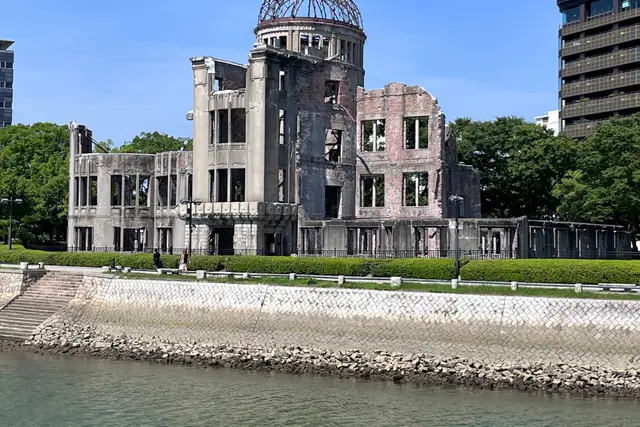
 Atomic Bomb Dome: Hiroshima Travel Guide
 hidden gem
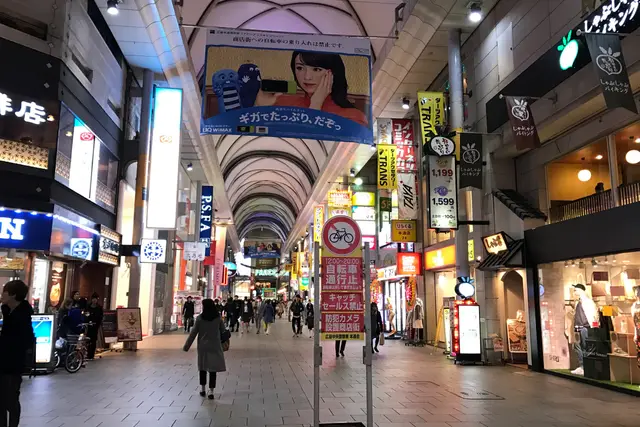
 Hondori Shopping Street: Hiroshima Travel Guide (4.4★)
 attraction
 Itsukushima Jinja: Hiroshima Travel Guide
 attraction