Why go
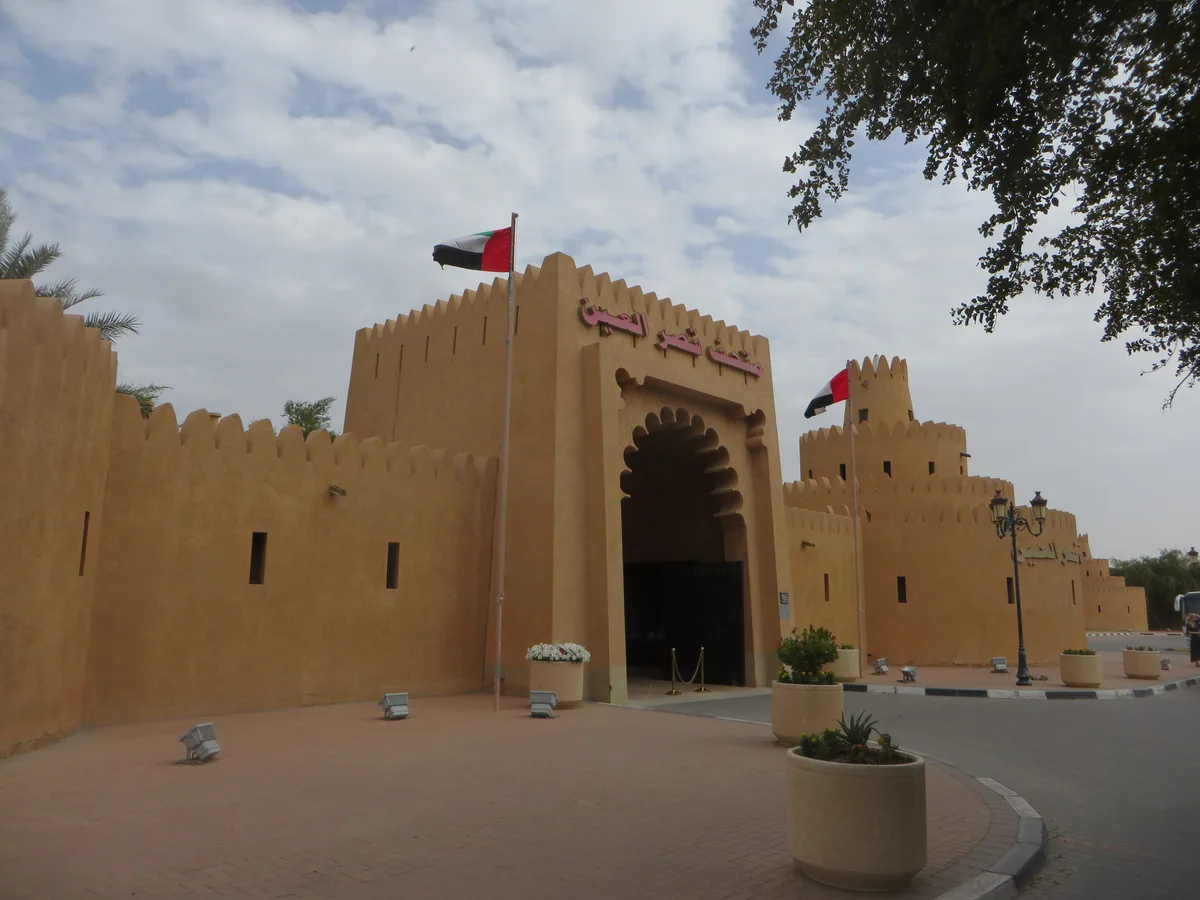
Al Ain Museum won’t overwhelm you with scale, and that’s the point. It’s a compact, old-school museum tucked into the Hai Al Hisn district, and it tells the story of this oasis city before oil money reshaped the Emirates. You walk through flint tools, Bronze Age pottery, Bedouin silver jewelry, and grainy black-and-white photographs of Al Ain when it was still a scatter of mudbrick settlements around date palms.
There’s no flashy digital theater here, no crowds jostling for a selfie spot. Just cabinets of real objects and enough context to understand why this particular patch of desert mattered for thousands of years.
Getting there
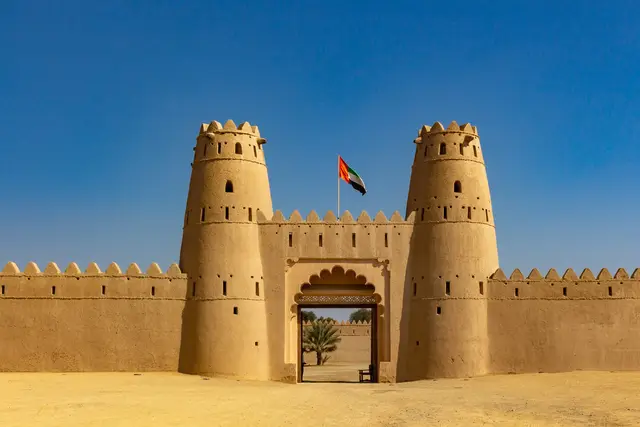
The museum sits inside the historic core of Al Ain, next to Al Jahili Fort and a short walk from the entrance to Al Ain Oasis. If you’re coming from Abu Dhabi or Dubai, plan on a 90-minute to two-hour drive; Al Ain has no metro, so a car or taxi is the practical option.
Parking is easy and free around the fort and oasis area. Once you’re on foot, everything in this pocket of the city (museum, fort, oasis walkways) sits within a five-to-ten-minute stroll of each other, so you can knock out three sights in one visit.
What you’ll see inside
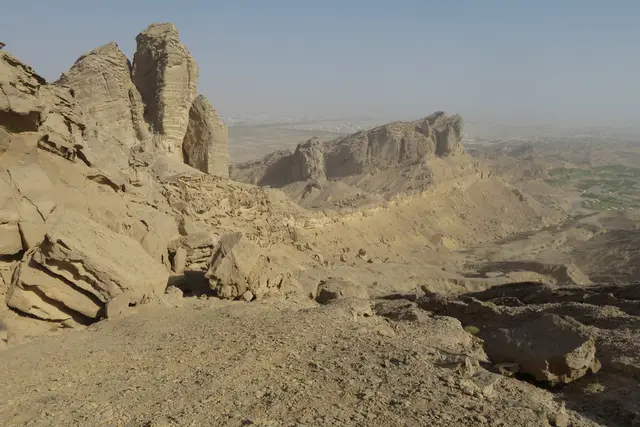
The collection moves roughly chronologically, starting with Stone Age and Bronze Age finds excavated from nearby archaeological sites like Hili and Jebel Hafit. Look for:
- Flint tools and burial artifacts from the region’s earliest inhabitants
- Traditional Bedouin jewelry, weapons, and household objects
- A well-stocked photographic archive documenting Al Ain before the 1960s oil boom
- Gifts and diplomatic exchanges tied to the UAE’s founding leaders
The pre-oil photography section is the quiet highlight. You’ll see falaj irrigation channels being dug by hand, market scenes, and portraits of Al Ain residents from an era with almost no surviving visual record elsewhere in the country.

When to go
The museum keeps the same hours every day of the week, 9am to 7pm, so there’s no need to plan around a weekly closure. Mornings on weekdays tend to be calmest, before tour groups visiting Al Jahili Fort next door spill over.
Midday in summer (June through September) is brutally hot outside, so treat this museum as a good indoor break between oasis walks. The galleries are air-conditioned and there’s no rush to get through them.
An hour is plenty for most visitors. History enthusiasts who read every panel and linger on the photo archive might stretch it to ninety minutes.
How to visit like a local
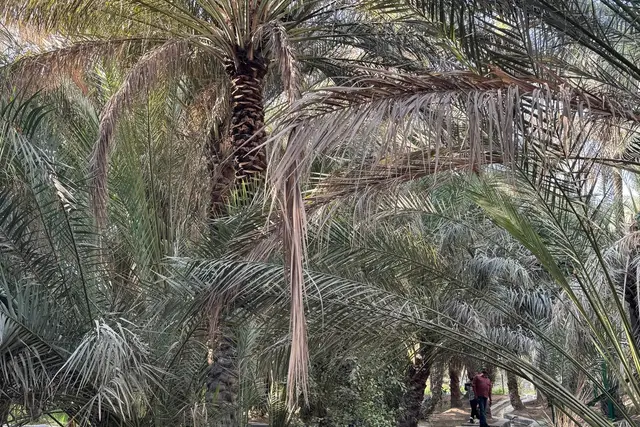
Pair the museum with Al Jahili Fort and Al Ain Oasis in a single outing. They’re all within a few minutes’ walk and form a natural loop through the city’s old quarter. Locals and repeat visitors tend to treat the museum as the appetizer, not the main event, doing it first before the fort’s exhibits and then finishing with a shaded walk through the oasis palm groves.
Cash isn’t strictly necessary; card payment is standard at UAE ticket counters, though it’s worth carrying a little cash for the smaller vendors near the oasis gates. Dress modestly, as you would for any UAE cultural site, shoulders and knees covered is the safe default.
The museum sees relatively light foot traffic compared with Al Ain’s bigger draws like the zoo or the palace museum, so you won’t need to book ahead or worry about timed entry. The mistake most first-time visitors make is rushing through in fifteen minutes on the way to the fort, slow down at the photograph displays, since that’s where the museum earns its reputation among people who actually study the city’s history rather than just passing through.
Confirm current admission fees at the door, as ticket pricing for Al Ain’s cultural sites is periodically revised.
Frequently asked questions
How much time should I budget for Al Ain Museum?
About an hour covers the galleries comfortably; history buffs who read every caption and browse the photo archive might take up to ninety minutes.
What are the opening hours?
It's open every day of the week, including weekends, from 9:00 AM to 7:00 PM.
Is Al Ain Museum crowded?
No — it's one of the quieter museums in Al Ain, so weekday mornings especially tend to be nearly empty.
How do I get there without a car?
Al Ain has no metro system, so a taxi or rental car is the most practical way to reach the Hai Al Hisn district; ride-hailing apps operate throughout the city.
What's nearby that I can combine with a visit?
Al Jahili Fort sits right next door and Al Ain Oasis is a short walk away, making it easy to see all three in one morning or afternoon.
Plan your trip to Al Ain
Some links above are affiliate links — if you book through them, Wander Atlas earns a small commission at no extra cost to you. It's how we keep every guide free.