Valle delle Ferriere: Amalfi Coast Travel Guide (4.7★)
When to visit Italy: month-by-month weather, crowds and holidays →
✓ Facts verified via Google Places · Aug 9, 2026
How this guide is made
Produced with AI assistance and reviewed against live data sources. Facts such as hours, ratings, and location come from Google Places; images are licensed or public domain. Details can change — please verify before visiting. Editorial policy
The path starts almost accidentally, you leave the lemon-scented lanes behind Amalfi’s cathedral, pass the last row of stacked houses, and the road simply narrows into a mule track. Within ten minutes the noise of the coast disappears. Sound in this valley is water: it drips off ferns, rushes through old mill channels, and eventually thunders over the waterfalls that give the reserve its reputation. The air changes too, cooling and thickening with the green, slightly mineral smell of a place that almost never dries out.
Valle delle Ferriere takes its name from the ironworks and paper mills that once lined this gorge, Amalfi was a major papermaking center for centuries, and you’ll walk past crumbling stone mill buildings half-swallowed by moss and maidenhair fern, their old machinery slots and channels still visible in the rock. It’s an odd, atmospheric mix of industrial archaeology and jungle: the humidity in this microclimate has allowed a handful of relict subtropical plant species to survive here since the last Ice Age, which is the main reason the valley was made a protected nature reserve.
Getting there
Most visitors start from Amalfi itself, following signs toward “Valle delle Ferriere” or “Pontone” from the upper part of town, near the Museo della Carta (Paper Museum) (a natural first stop, since it explains the valley’s papermaking history before you walk into the landscape that produced it. The trail follows the Canneto stream upward through the gorge. An alternative is to start higher, from Scala or the hamlet of Pontone (reachable by local bus or a walk up from Amalfi), and descend into the valley instead of climbing) a good option if you’d rather go downhill on tired legs.
The address associated with the reserve sits in Scala’s municipal territory, though the most common approach is still from Amalfi.
What to see and do
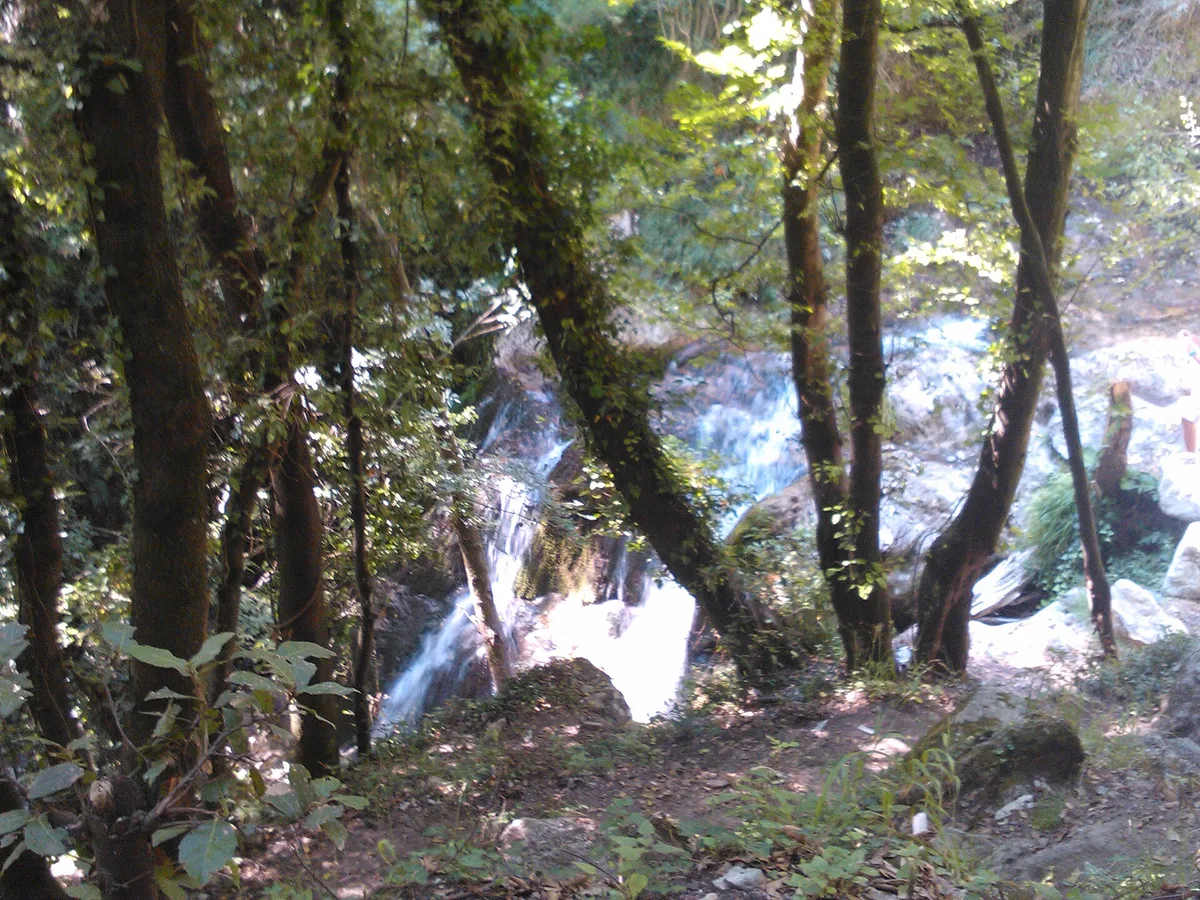
The signature sight is a series of waterfalls tumbling through the ravine, framed by ferns, wild fig, and the papery bark of ancient plane trees. Along the way you’ll pass roofless stone mill ruins, small footbridges, and stretches where the path narrows to a single stepping-stone line above the stream. The full reserve extends further into a strictly protected core zone with limited access (sometimes requiring a permit or guide), but the lower and middle sections, where most of the ruins and waterfalls are, are open to ordinary walkers on the marked trail.
Give yourself 2.5 to 4 hours for a there-and-back walk at an unhurried pace, more if you continue on to Pontone or Scala and come back by bus. The trail is rocky, sometimes slick with spray, and involves real elevation gain, so this isn’t a stroll in sandals, trail runners or hiking shoes make a genuine difference here.
When to go
Spring and early autumn bring the greenest ferns and the fullest waterfalls, since snowmelt and rain keep the stream running high; by late summer the flow can thin out, though the shade still makes this one of the coolest walks in the area on a hot July or August day. Rain in the days before your visit can make the stone paths slippery, so check recent weather rather than just the forecast for your visit day.
How to visit like a local
Start early, by mid-morning the trailhead area in Amalfi fills with day-trippers heading the opposite direction, toward the beach and the Duomo, so an early departure buys you a quieter gorge and cooler walking temperatures. There’s no ticket booth at the main trailhead for the standard walk, so there’s nothing to book in advance for the lower valley; bring cash anyway in case of a small entrance fee at points where the reserve is staffed, and carry water since there’s nowhere to buy any once you’re in the gorge.
Greet other walkers with a simple “buongiorno” as you pass on narrow sections (it’s standard trail courtesy here, not a tourist affectation. The most common mistake is underestimating the terrain because the walk starts in a town: wear proper shoes, not the sandals you wore around Amalfi’s piazza that morning. If you want to reach the restricted upper core zone with its rarest ferns, that typically requires arranging a guide in advance through local hiking outfits) don’t expect to wing it at the gate.
Frequently asked questions
How do I get to Valle delle Ferriere?
Walk up from the back streets of Amalfi town, past the Museo della Carta, following signs for Pontone/Valle delle Ferriere — it's about a 20-minute walk to the trailhead and then a further hike into the gorge. Alternatively, take a local bus up to Pontone or Scala and walk down into the valley instead.
How long does the walk take?
Plan on 2.5 to 4 hours round trip for the main waterfall and mill-ruins section, depending on pace and how far you go before turning back.
What should I wear or bring?
Wear hiking shoes or trail runners rather than sandals — the path is rocky and often wet from waterfall spray. Bring water, as there are no shops inside the reserve, and cash in case of a small fee at any staffed points.
When is the best time to visit?
Spring and early autumn offer the fullest waterfalls and greenest ferns. Go in the morning if possible, both to beat the heat under tree cover and to avoid the busier midday crowds passing through Amalfi.
Can I access the full nature reserve?
The lower and middle trail with the main waterfalls and mill ruins is open to independent walkers. The stricter core protected zone, home to the rarest relict plant species, generally requires a permit or a licensed local guide.
Plan your trip to Amalfi Coast
Some links above are affiliate links — if you book through them, Wander Atlas earns a small commission at no extra cost to you. It's how we keep every guide free.