Why go
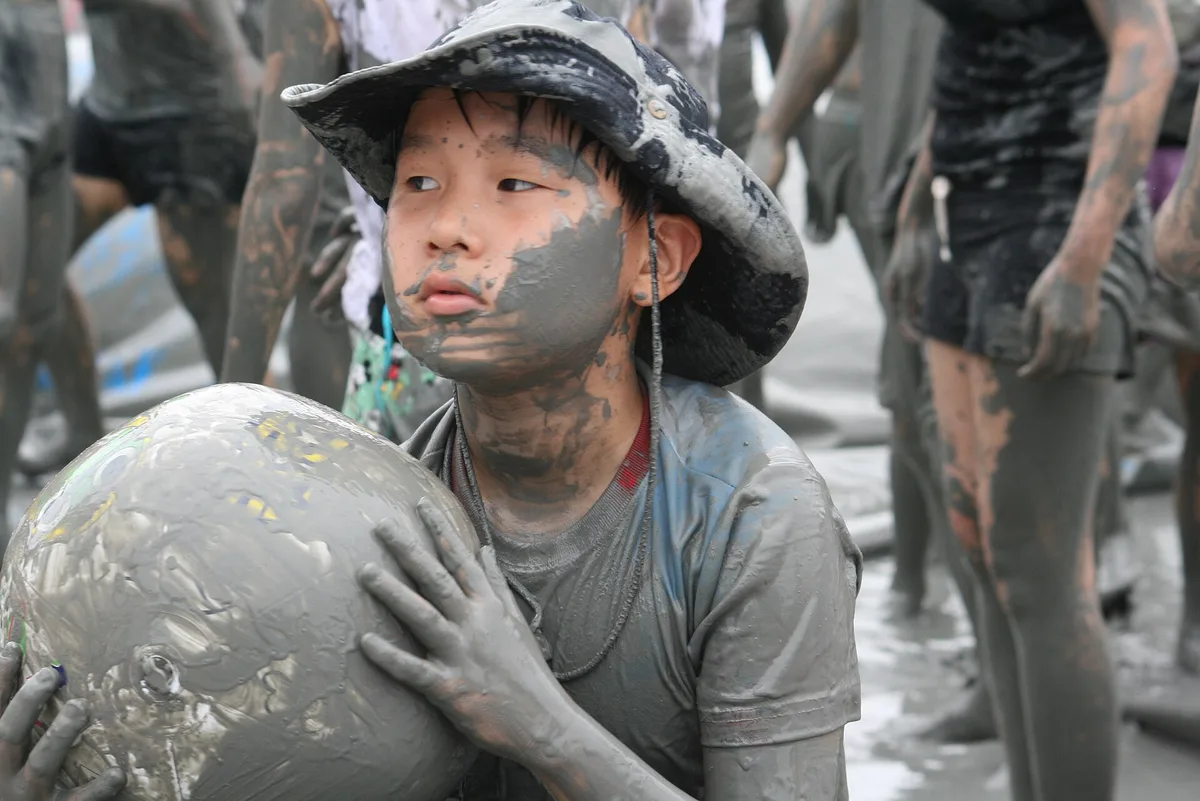
Boryeong Mud Festival is Korea’s most famous summer event, built around the simple idea that the mineral-rich mud from the tidal flats near Daecheon Beach is good for your skin, and even better for a party. What began in the 1990s as a marketing push for a local cosmetics line has grown into a two-week beach festival drawing hundreds of thousands of visitors, including a large share of foreign tourists and expats.
The grounds hold mud wrestling rings, mud slides, giant inflatable mud pools, body-painting stations, a mud prison photo zone, and free-for-all mud fights on the sand, followed by K-pop stage shows, fireworks, and foam parties once the sun goes down. It’s messy, loud, and unapologetically fun, closer to a beach carnival than a cultural heritage site.
Getting there
Daecheon Beach sits in Boryeong, South Chungcheong Province, on Korea’s west coast. The easiest way from Seoul is by train: a Janghang Line service from Yongsan Station to Daecheon Station takes roughly two to two and a half hours depending on the train type (ITX-Saemaeul or Mugunghwa). From Daecheon Station, the beach is about 3 km away, taxis take 10–15 minutes, and during the festival period extra shuttle buses and local buses run directly between the station and the festival grounds.
Intercity buses also connect Boryeong to Seoul’s Central City Terminal and other major cities, with journeys similar in length to the train. For drivers, congestion is heavy and parking near the beach is limited on peak festival weekends, which is why most visitors use public transit.
What to see and do
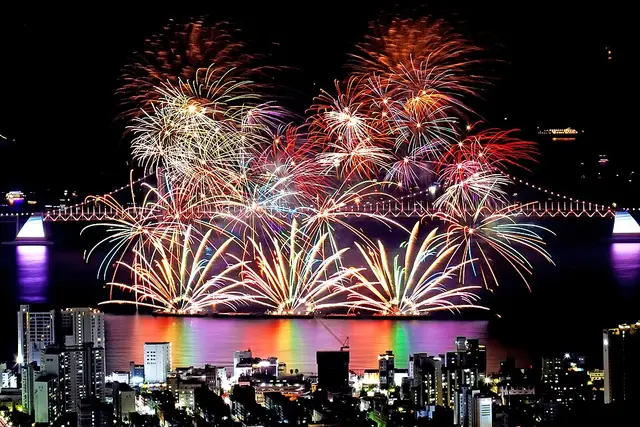
The festival grounds stretch along Daecheon Beach’s main strip, where organizers set up the signature attractions: mud pools deep enough to wallow in, mud slides that dump you straight into the Yellow Sea shallows, and a “mud prison” where you get gleefully smeared and photographed. Body painting booths, mud skiing, and a mega mud tub area for kids and families run during daylight hours, while evenings shift toward concert stages featuring K-pop and rock acts, plus fireworks over the water.
Beyond the mud zone, Daecheon Beach itself is one of the west coast’s most popular white-sand beaches, backed by a boardwalk lined with seafood restaurants, convenience stores, and pojangmacha (street food tents) serving grilled shellfish, spicy tteokbokki, and cold beer. Local specialties at nearby eateries include seafood pancakes and fresh sea mustard soup, and the beach has outdoor shower facilities for rinsing off.
When to go
The festival typically runs for about two weeks in mid-to-late July, often bridging the weekends closest to Korea’s summer school break, though exact dates shift slightly year to year. Weekends are by far the busiest, with the biggest stage performances and the largest crowds; weekdays are noticeably calmer, with shorter waits for the mud pools and slides.
The main mud pool area is quietest in the morning, since it fills up once the tour buses from Seoul reach the beach in the early afternoon.
Nearby & tips
Because Daecheon Beach’s lodging options are limited relative to demand, hotels, motels, and pensions (Korean-style guesthouses) in Boryeong sell out weeks in advance for festival dates, and some visitors base themselves in nearby Daejeon or Cheonan and day-trip in. The standard kit is old clothes or a swimsuit no one minds ruining, a waterproof phone pouch, and flip-flops rather than sneakers.
Lockers and changing facilities sit near the main festival zone, though lines there get long at peak hours. As a quieter counterpoint to the mud chaos, Boryeong’s Oceanographic Museum and the scenic coastal road toward Muchangpo Beach (known for its “Moses Miracle” sea-parting tidal event) make an easy half-day side trip.
Frequently asked questions
How do I get to the Boryeong Mud Festival from Seoul?
Take a Janghang Line train from Yongsan Station to Daecheon Station (about 2–2.5 hours), then a taxi or festival shuttle bus for the final 3 km to Daecheon Beach. Intercity buses from Central City Terminal are a similar-length alternative.
When exactly does the festival happen?
It usually runs for about two weeks in mid-to-late July, though exact dates vary by year. Official Boryeong tourism announcements carry the dates for each edition.
How much does it cost to enter?
Access to the beach and many mud zones has historically been free or low-cost, with some paid premium activities and gear rentals. Prices and ticketing structures change from year to year.
How long should I plan to stay?
A day trip from Seoul is feasible, but the evening concerts and fireworks run late, so many visitors take at least one night in or near Boryeong rather than racing for the last train.
What else is there to do nearby?
Muchangpo Beach's tidal 'sea-parting' phenomenon and Boryeong's Oceanographic Museum are the usual side trips for anyone taking a break from the mud pools.
Plan your trip to Boryeong
South Korea eSIM & staying connected →
Some links above are affiliate links — if you book through them, Wander Atlas earns a small commission at no extra cost to you. It's how we keep every guide free.