Why go
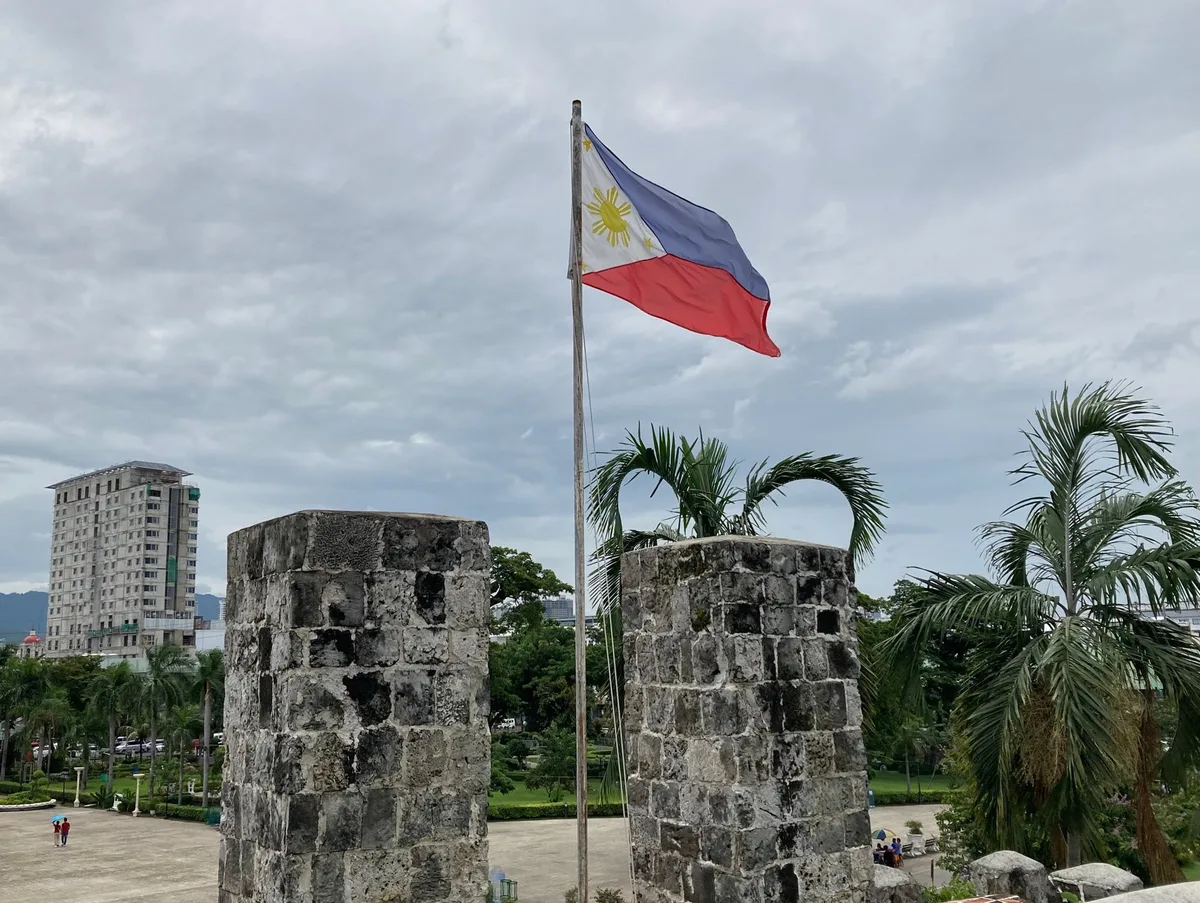
Fort San Pedro is the oldest and smallest triangular fort in the Philippines, and standing inside its thick coral-stone walls is the closest you’ll get to the Cebu that Spanish colonizers built from scratch in the 1700s. The current structure dates to 1738, though the site itself traces back to 1565, when Miguel López de Legazpi’s expedition first fortified this stretch of coastline.
Today the interior holds a shaded garden and a small museum, but the real draw is the fort itself: uneven stone ramparts, cannon emplacements aimed out toward what was once open sea, and thick walls that have survived earthquakes, sieges, and a World War II occupation by Japanese forces.
What you’ll see inside
Walking in through the main gate, the noise of the surrounding city (jeepneys, tricycles, vendors along A. Pigafetta Street) drops away almost immediately. The courtyard is planted with acacia and fire trees, and benches sit in patches of shade that make this one of the cooler spots in downtown Cebu at midday. Stone stairs lead up onto the ramparts, where you can walk the perimeter and look down into the dry moat area and out toward the harbor.
Inside the old barracks rooms, the museum displays a modest collection: colonial-era relics, religious artifacts, old photographs of the fort in disrepair before restoration, and a scale model showing how the layout has changed over four centuries. It’s not a large collection, and you can see all of it in about 20 minutes, but the informational panels do a good job explaining how the fort shifted roles, Spanish garrison, American military post, Japanese internment site, and finally a public park.

Getting there
Fort San Pedro sits right on Plaza Independencia, at the southern edge of downtown Cebu City near the port area. If you’re coming from the Ayala Center or IT Park side of the city, a Grab car or taxi is the simplest option and should take 15–25 minutes depending on traffic. From the Cebu North or South Bus Terminals, it’s a short tricycle or jeepney ride into the old downtown core.
Because it sits beside the pier, it’s an easy add-on if you’re arriving in Cebu by ferry from Bohol, Dumaguete, or other Visayan islands. You can walk straight from the port to the fort gate in a few minutes.
Pairing it with the rest of old Cebu
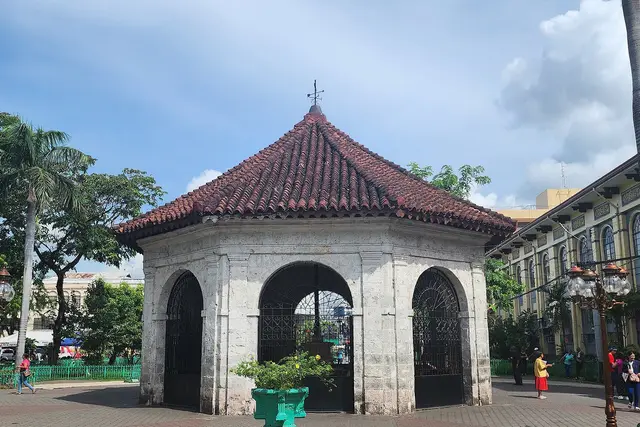
The fort works best as one stop on a walking loop through Cebu’s colonial core. Malacañang sa Sugbo, the ceremonial “Southern White House,” is a short walk away and worth a look even if you don’t go inside. From there it’s an easy stroll to Magellan’s Cross and the Basilica Minore del Santo Niño, both a 10–15 minute walk north. Doing all three in one morning gives you a compact, walkable history circuit without needing transport between stops.
When to go
Cebu’s heat builds fast, so mornings shortly after opening are noticeably more comfortable for walking the exposed ramparts. There’s little shade once you’re up on the walls. Because this is one of the most visited heritage sites in the city, expect tour groups and school trips through mid-morning into early afternoon; things generally thin out again in the late afternoon before closing. Dry season, roughly December through May, gives you the best odds of clear views from the ramparts out toward the harbor, though it’s also warmer.
How to visit like a local
Buy your entrance ticket at the small booth by the gate. This is a cash transaction in pesos, and prices are modest, so bring small bills rather than large denominations. There’s no real booking system; you simply walk up, pay, and go in, so the only real strategy is timing your visit around the crowds rather than around a queue.
The most common visitor mistake is treating the fort as a quick photo stop from the outside and skipping the walk along the ramparts, which is where the site actually earns its reputation. The views over the moat and toward the port are the payoff. Wear shoes with grip, since the stone steps up to the ramparts are worn smooth and can be uneven.
Given how heavily trafficked this landmark is, don’t expect a quiet, undiscovered corner of the city, instead, plan around it by arriving early or late in the day if you want the courtyard and ramparts closer to yourself.
Frequently asked questions
How long should I spend at Fort San Pedro?
Most visitors spend 30–45 minutes: about 20 minutes for the small museum rooms and the rest walking the ramparts and courtyard garden.
How do I get to Fort San Pedro?
It's on Plaza Independencia in downtown Cebu City, right beside the pier. A Grab car or taxi from the Ayala/IT Park area takes roughly 15–25 minutes; if you're arriving by ferry, it's a short walk from the port.
Is there an entrance fee?
Yes, there's a modest entrance fee payable in cash pesos at the gate booth. Prices can change, so it's worth confirming the current fee locally before you go.
What else is nearby?
Malacañang sa Sugbo is a short walk away, and Magellan's Cross and the Basilica Minore del Santo Niño are about a 10–15 minute walk north, making it easy to combine into one heritage-focused morning.
What's the best time to visit to avoid crowds?
Go shortly after opening in the morning or later in the afternoon — mid-morning through early afternoon tends to draw tour groups and school trips since this is one of Cebu's most-visited landmarks.
Plan your trip to Cebu
Philippines eSIM & staying connected →
Some links above are affiliate links — if you book through them, Wander Atlas earns a small commission at no extra cost to you. It's how we keep every guide free.