The Sounds Project 2026: What to Know (Jakarta)
How this guide is made
Produced with AI assistance and reviewed against live data sources. Facts such as hours, ratings, and location come from Google Places; images are licensed or public domain. Details can change — please verify before visiting. Editorial policy
Why this one’s worth planning around
Jakarta’s festival calendar is crowded, but The Sounds Project has carved out a niche by pairing one international rock or alt act with a deep bench of Indonesian talent that actually headlines in its own right, rather than playing warm-up. The 2026 edition leans into that formula hard: Jet, the Melbourne band behind “Are You Gonna Be My Girl,” shares billing with Pamungkas (Indonesia’s biggest bedroom-pop-turned-arena export), R&B crooner Rizky Febian, alt-rockers JUICY LUICY and For Revenge, and Barasuara, whose brooding, literary Indonesian rock has made them a festival institution in their own right.
For a visitor, that mix is the draw — you get a genuine cross-section of what’s playing on Jakarta radio and in its indie clubs right now, not just a nostalgia act flown in to sell tickets.
The dates, and what’s still unconfirmed
Mark August 7–9, 2026, a three-day run that will likely spread the lineup across multiple stages and days rather than cramming everyone into one night. As of now, the specific venue, daily set times, and ticket prices haven’t been finalized in public listings. Past editions of the festival have used large outdoor event grounds in South and Central Jakarta, so expect an open-air setup with multiple stages, food vendors, and merch areas — but don’t book anything based on that assumption.
Check the official Sounds Project website and its Instagram account close to the date for the confirmed venue, gate times, and presale windows, since festival logistics in Jakarta can shift even a few weeks out.
Getting there and getting around
Jakarta’s festival grounds are typically reachable by a combination of the MRT (Jakarta’s north-south line through Blok M, Senayan, and Bundaran HI) and ride-hailing apps like Gojek or Grab, which are the default way locals cover the last mile to any large event site. If the 2026 venue turns out to be near Gelora Bung Karno (GBK) — a frequent host for festivals of this scale — the nearest MRT stations are Senayan and Istora Mandiri.
Traffic around big concerts backs up fast, so budget significantly more time than Google Maps suggests, especially on the evening the Jet set is expected to run. Taxis and ride-hail surge pricing kick in hard once a show lets out, so plan your exit route before you’re standing in a crowd of thousands trying to book a car.
What to expect once you’re inside
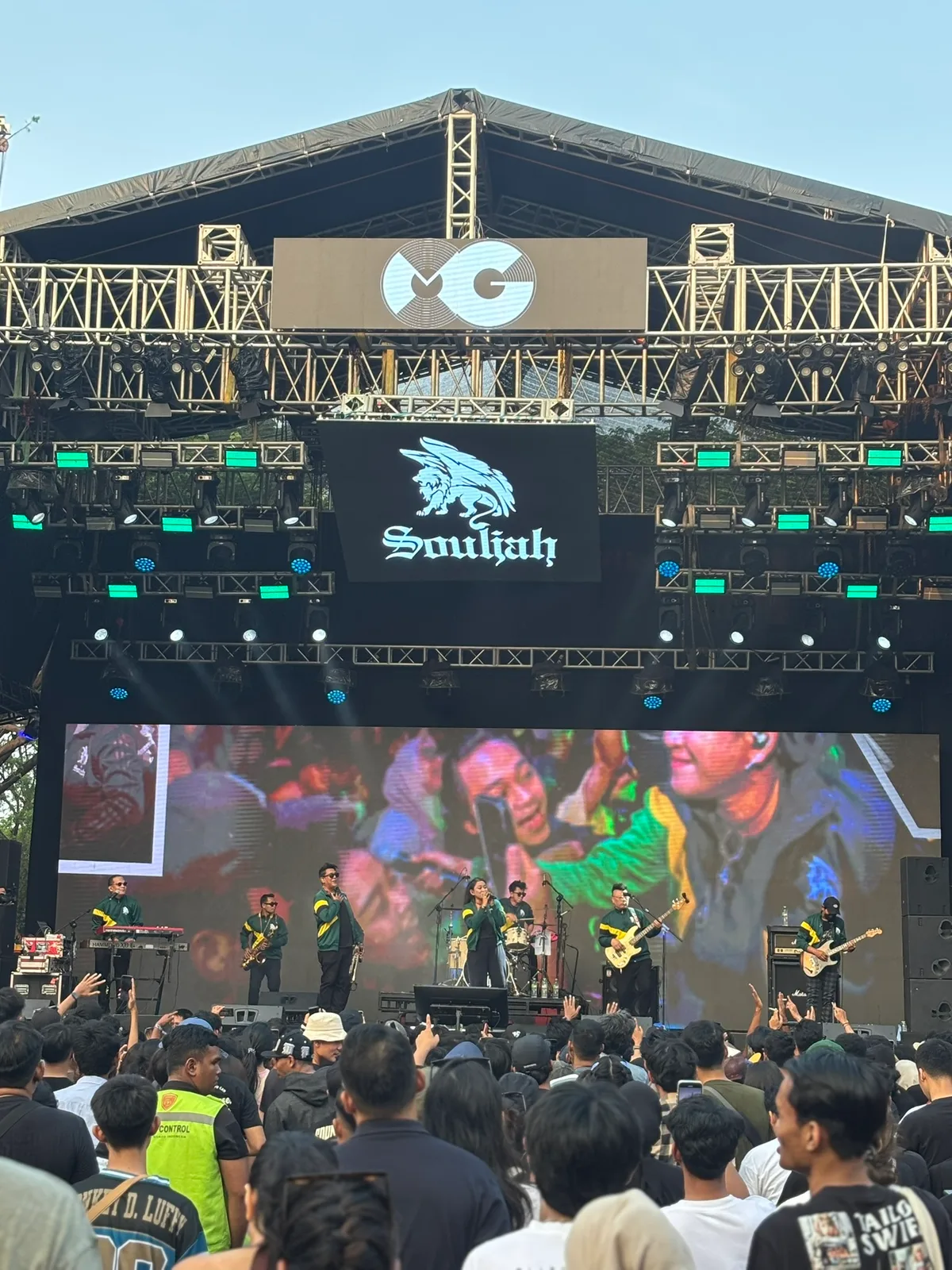
Multi-day Indonesian festivals like this one typically run from late afternoon into night, with local and international acts alternating stages so you can bounce between a Barasuara set and a JUICY LUICY set without missing much. Jakarta heat and humidity are real factors even after dark in August, so the crowd thins out near food stalls and shaded areas between big sets — that’s usually the best time to grab a bite before the next headliner.
Indonesian festival crowds tend to be enthusiastic but good-natured; singing along in Bahasa Indonesia to Pamungkas or Barasuara is part of the experience even if you don’t speak the language, since these are some of the most sung-along-to acts in the country’s current scene.
How to visit like a local
Buy tickets the moment official presale opens rather than waiting — Jakarta festivals with a strong local lineup like this one tend to sell out their early-bird tiers fast, and locals know the cheapest tickets vanish first. Payment at the gate and inside is increasingly cashless: expect to load a festival wristband or app-based balance via QRIS (Indonesia’s ubiquitous QR payment standard) rather than paying cash for food and drinks, so set that up in advance if you’re visiting from abroad.
Dress light and closed-toe — flip-flops are common but standing for hours on packed grounds favors real shoes. Most Jakarta festivalgoers arrive well after doors open and skip the opening acts to avoid standing around in the heat, then move closer to the stage as the sun sets; if you actually want a good spot for Jet or Barasuara, plan to arrive earlier than the locals do.
The single biggest mistake visiting fans make is assuming the festival runs like a Western one with fixed set times published far in advance — in Jakarta, schedules are often confirmed only days before, so check socials constantly in the final week rather than trusting an old poster.
Frequently asked questions
What are the exact dates for The Sounds Project 2026?
The Sounds Project 2026 took place August 7–9, 2026, in Jakarta, Indonesia.
Who is playing?
Confirmed acts include Australian rock band Jet plus Indonesian artists Pamungkas, Rizky Febian, JUICY LUICY, For Revenge, and Barasuara. Additional names may be added; check the official lineup poster before finalizing plans.
Where is the festival held and how do I get there?
The venue was never publicly finalized. Jakarta festivals of this scale often use large outdoor grounds accessible via the MRT and Gojek/Grab ride-hailing.
How much do tickets cost?
Prices had not been announced ahead of time. Presale and ticket-tier details for The Sounds Project 2026 in Jakarta were expected on the official site and social media.
Is it a good idea to fly in specifically for this?
If you're a fan of Jet or the featured Indonesian acts, yes — but hold off on booking flights until the venue and full schedule are confirmed, since a three-day event spread across stages can shift its daily lineup order.
Plan your trip to Jakarta
Some links above are affiliate links — if you book through them, Wander Atlas earns a small commission at no extra cost to you. It's how we keep every guide free.
Related guides



More Jakarta guides: Gajah Mada Food StreetGiyanti Coffee RoasteryNational Museum of IndonesiaSelamat Datang MonumentSKYE Bar & RestaurantSocial House Grand Indonesia