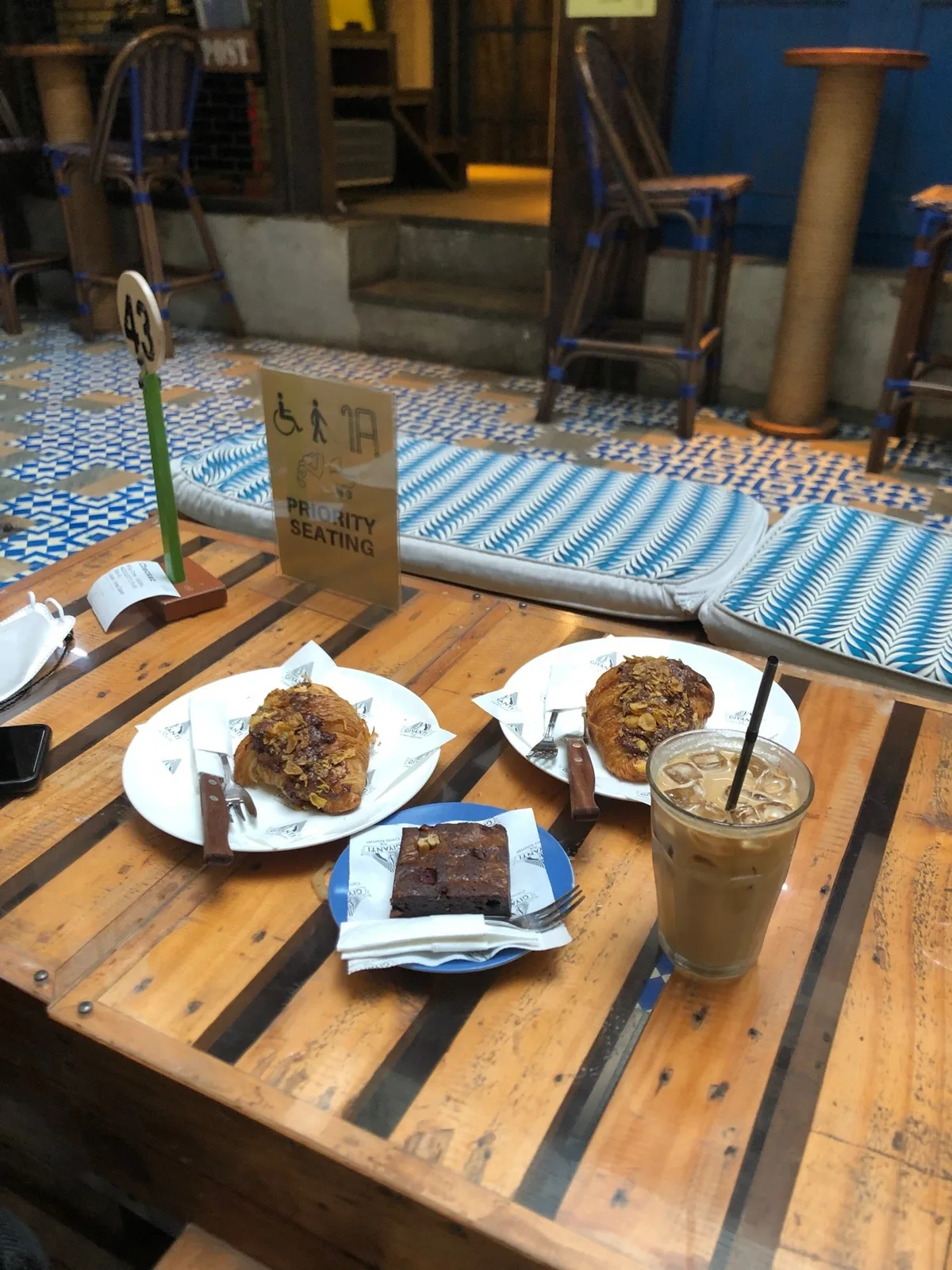
Why go
Giyanti Coffee Roastery has built its reputation on doing one thing well: sourcing and roasting Indonesian coffee beans and letting them speak for themselves. Housed in a converted colonial-era building on Jl. Surabaya, the cafe roasts on-site and rotates single-origin offerings from across the archipelago (think Gayo from Aceh, Toraja from Sulawesi, Kintamani from Bali, and Flores Bajawa) alongside imported beans for comparison.
With a 4.6 rating from over 4,300 reviews, it’s firmly established as one of Jakarta’s go-to spots for people serious about coffee, not just a trendy backdrop for photos (though the industrial-meets-heritage interior does that too).
Getting there
The address is Jl. Surabaya No.20, in Menteng, Central Jakarta, one of the city’s oldest and leafiest residential districts, laid out during the Dutch colonial period. The nearest useful public transport is Transjakarta’s Menteng or Surabaya-area corridor stops; if you’re using the MRT, Dukuh Atas BNI station is roughly a 15–20 minute drive or a longer walk, so most visitors arrive by ride-hailing app (Gojek or Grab) rather than rail.
Traffic in this part of Central Jakarta builds up by mid-morning and again in the evening, so factor that into your timing. Street parking exists but is limited, and it’s tight during weekend market hours.
What to see and drink
Start with the roastery itself: much of the appeal is watching beans get sorted, roasted, and brewed in an open setup rather than hidden in a back room. Order a manual brew (V60 or syphon) if you want to taste a single origin cleanly, or go for a classic Indonesian-style kopi tubruk if you want something closer to how coffee is traditionally served here.
The espresso-based menu covers the usual flatwhites and cappuccinos, but the real draw is the rotating single-origin list. Ask staff what’s freshly roasted that week, since availability shifts with harvest season. Pair your coffee with something from the light food menu; portions and pricing sit in the moderate range for Jakarta cafes (roughly a mid-tier price level, not a budget warung but not luxury either).
Just outside, Jl. Surabaya itself is Jakarta’s well-known antiques and curio market, lined with stalls selling old records, colonial-era brassware, batik, and vintage oddities. Combining the two (coffee first, market browsing after) is the natural way to spend a couple of hours here.
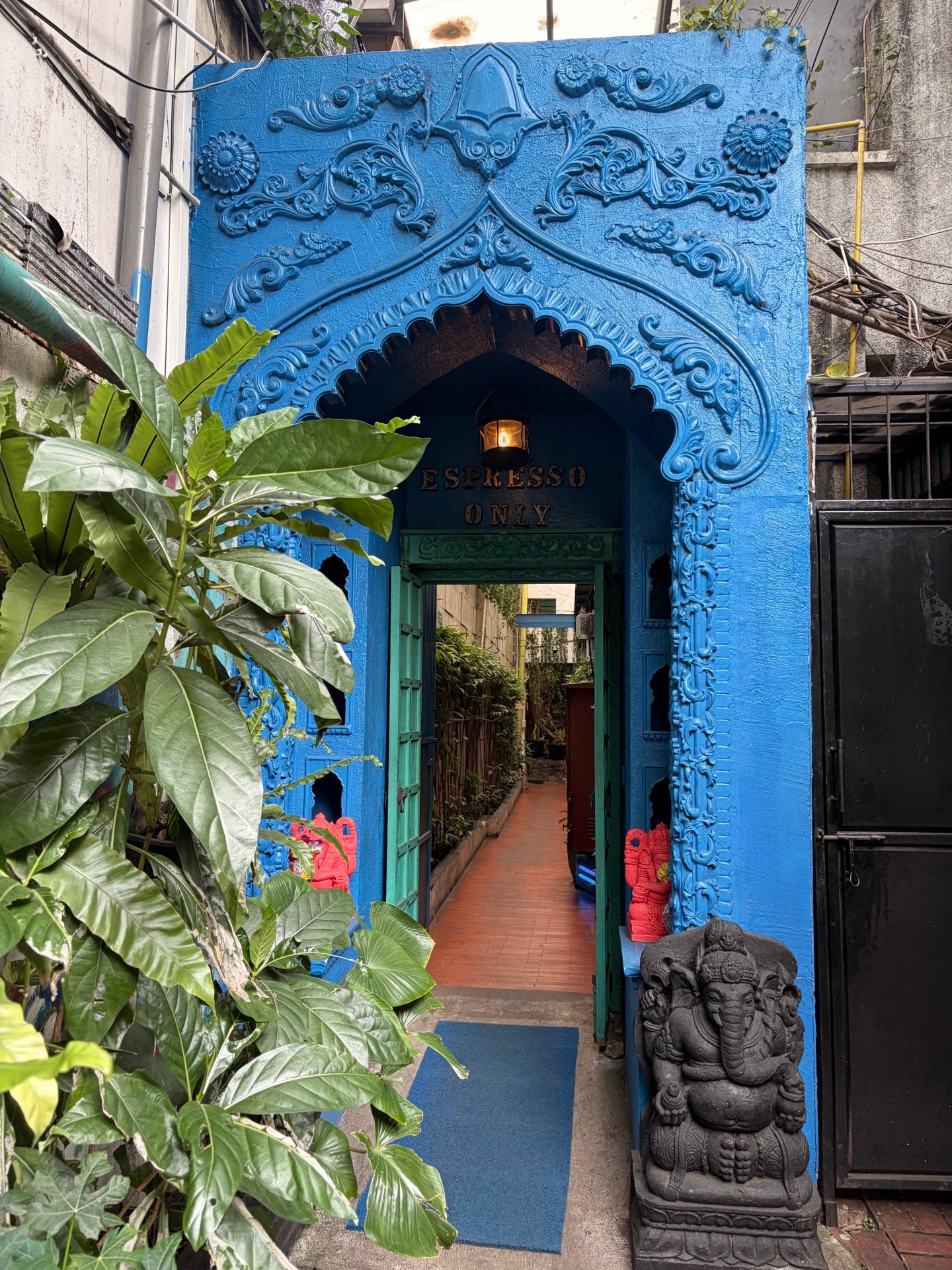
When to go
Weekday mornings, roughly 9–11am, tend to be the calmest window before lunch crowds and weekend market shoppers arrive. Weekends bring heavier foot traffic since the antiques market outside draws its own visitors, and seating inside can fill up quickly during midday and late afternoon. Jakarta’s tropical climate means humidity is high year-round, so an air-conditioned indoor table is worth requesting if you’re visiting during the hotter midday hours (roughly 11am–3pm).
How to visit like a local
This is a well-known, well-reviewed cafe rather than a hidden find, so expect steady foot traffic. Plan around that rather than expecting an empty room. The most effective way to beat the crowd is timing: arrive right at opening on a weekday, or visit in the late afternoon lull after lunch service winds down but before evening regulars arrive.
Payment is typically by card or e-wallet (QRIS is widely accepted across Jakarta cafes), though carrying some cash is still sensible for the antiques market stalls outside, where bargaining is normal and cash is preferred. Tipping isn’t obligatory or heavily practiced at Indonesian cafes; rounding up or leaving small change is appreciated but not expected. If you want to sound like you know your coffee, ask specifically for the origin and processing method (washed, natural, honey) rather than just “the special”.
Staff are used to explaining the differences and it’s the fastest way into a more interesting conversation about what’s in your cup.
The most common visitor mistake is treating this purely as a photo-op stop and rushing through; the better use of a visit is slowing down over one well-made pour-over and asking what’s currently in the roaster.
Nearby to combine
Beyond the antiques market on the doorstep, Menteng’s tree-lined streets are worth a short walk, this neighborhood holds some of Jakarta’s best-preserved colonial-era architecture, making it a pleasant area to wander before or after your coffee.
Frequently asked questions
How do I get to Giyanti Coffee Roastery without a car?
The easiest way is a ride-hailing app like Gojek or Grab, since it's not directly on an MRT line. The nearest MRT station, Dukuh Atas BNI, is about a 15–20 minute drive away depending on traffic.
How much does coffee cost there?
It sits at a moderate price level for Jakarta specialty cafes — not cheap street-side coffee, but not high-luxury pricing either. Exact menu prices change, so check current pricing on-site or via their social channels before visiting.
What's the best time to visit to avoid crowds?
Weekday mornings between roughly 9 and 11am are calmest. Weekends get busy because the Jl. Surabaya antiques market outside draws additional foot traffic.
How long should I plan to stay?
Most visitors spend around 1–2 hours, especially if pairing a coffee with browsing the antiques market right outside.
What's nearby worth combining with this visit?
The Jl. Surabaya antiques and curio market is directly outside, and the broader Menteng neighborhood offers colonial-era architecture worth a short walk.
Plan your trip to Jakarta
Indonesia eSIM & staying connected →
Some links above are affiliate links — if you book through them, Wander Atlas earns a small commission at no extra cost to you. It's how we keep every guide free.
Related guides
 trendy
 SKYE Bar & Restaurant: Jakarta Travel Guide
 attraction
 Selamat Datang Monument: Jakarta Travel Guide (4.7★)
 restaurant
 Social House Grand Indonesia: Where to Eat in Jakarta
 attraction