Why go
This isn’t a museum you rush through. It’s a small, deliberately empty building designed to slow you down, built to honor Daisetsu Teitaro Suzuki, the Kanazawa-born scholar who introduced Zen Buddhism to the Western world.
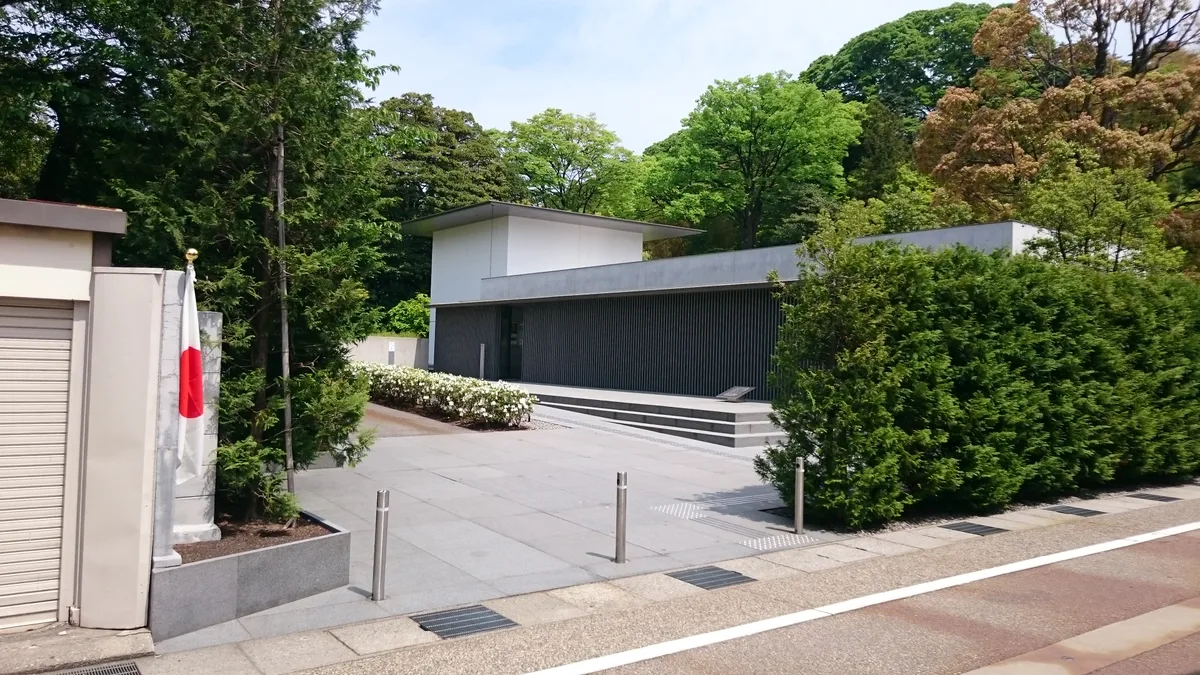
There are no crowds of school groups here, no gift-shop clutter. Just concrete corridors, glass, water, and long views of sky. The architecture, by Yoshio Taniguchi, does most of the talking.
What you’ll actually see
The museum is split into three simple parts: the Learning Space, the Exhibition Space, and the Contemplative Space. You move through them in sequence, and the sequence matters.
The Learning Space holds a small library and video introduction to Suzuki’s life and writing. The Exhibition Space displays his manuscripts, photographs, and personal items in low, even light. Neither takes long, maybe 20 minutes combined.
The real destination is the Contemplative Space: a wooden platform beside the Water Mirror Garden, a still rectangular pool that reflects the sky and surrounding walls. There’s a bench. People sit. Nobody talks much.
Getting there
The museum sits in the Hondamachi district, a short walk from Kenroku-en Garden and Kanazawa Castle Park, easy to fold into a morning of sightseeing. Most visitors reach it on foot from central Kanazawa or by local bus toward the Honda-no-Mori area.
It’s compact, so allow 45 minutes to an hour inside. Add extra time if you want to sit by the pool without watching the clock.

When to go
The museum runs Tuesday through Sunday, 9:30am to 5pm, and is closed all day Monday. Weekends draw the steadiest crowds, especially from 10am to 5pm, so if quiet matters to you, aim for a weekday.
Early morning on a Tuesday or Wednesday, right after opening, is your best shot at having the Contemplative Space nearly to yourself. Overcast days work particularly well here, the flat light makes the water mirror even stiller, and the concrete walls lose their glare.
Rain isn’t a reason to skip it, either. The covered walkways and the sound of water on the pool’s surface suit the mood of the place.
How to visit like a local
This is a well-known stop on Kanazawa’s cultural circuit, not a secret, so plan around the weekend rush rather than expecting solitude.
- Go early or go midweek. Weekday mornings beat the 10am–5pm weekend crush by a wide margin.
- Move slowly and stay quiet. This isn’t enforced, but the design invites it, and the other visitors around you will already be doing the same.
- Sit in the Contemplative Space longer than feels necessary. Most visitors give it two minutes and move on; give it ten.
- Pay at the entrance desk, card and cash are both generally accepted, but carrying some cash is a safe habit anywhere in Kanazawa’s smaller cultural sites.
- Don’t skip the Learning Space even if you know nothing about Zen Buddhism or Suzuki’s writing. The short video gives context that makes the Contemplative Space land differently.
- The biggest mistake visitors make is treating this like a quick photo stop between Kenroku-en and lunch. It rewards unhurried attention far more than a five-minute walkthrough.
Nearby, before or after
Combine the visit with Kenroku-en Garden, a short walk away, or Kanazawa Castle Park for a full morning of gardens and quiet architecture. The Honda-no-Mori area around the museum is residential and calm, a good contrast to the busier Higashi Chaya teahouse district across town.
If you want a similarly contemplative stop afterward, nearby temple grounds in the area offer the same unrushed pace. A good way to close out a morning built around slowness rather than sightseeing checklists.
Frequently asked questions
What are the D.T. Suzuki Museum's opening hours?
Tuesday through Sunday, 9:30am–5pm. It's closed all day Monday, so plan around that if you're combining it with other Kanazawa sights.
When is the quietest time to visit?
Weekday mornings, especially Tuesday or Wednesday right after the 9:30am opening. Weekends stay busy from 10am to 5pm, so avoid that window if you want the Contemplative Space to yourself.
How long should I spend at the museum?
Most visitors need 45 minutes to an hour. Add extra time if you plan to sit by the Water Mirror Garden, which is the main reason to visit unhurried.
Is the museum easy to combine with other Kanazawa attractions?
Yes — it's a short walk from Kenroku-en Garden and Kanazawa Castle Park, making it a natural add-on to a morning of sightseeing in central Kanazawa.
Who was D.T. Suzuki, and why does Kanazawa have a museum for him?
Daisetsu Teitaro Suzuki was a Kanazawa-born scholar who introduced Zen Buddhism to Western audiences through his writing. The museum, designed by architect Yoshio Taniguchi, was built in his honor near his birthplace.
Plan your trip to Kanazawa
Japan eSIM & staying connected →
Some links above are affiliate links — if you book through them, Wander Atlas earns a small commission at no extra cost to you. It's how we keep every guide free.