Shells over the harbour
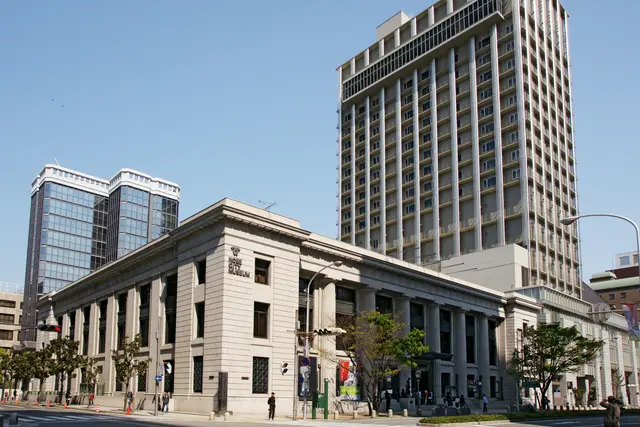
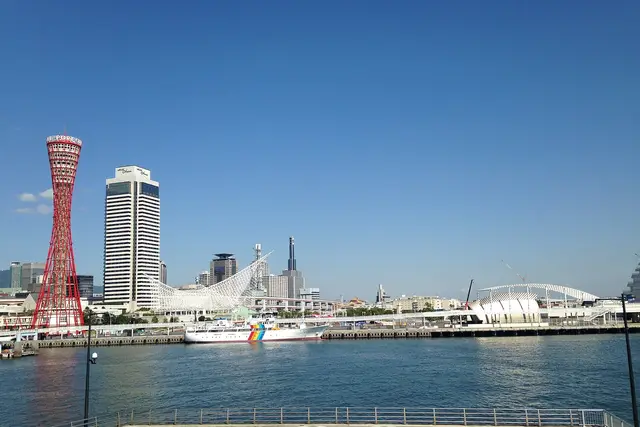
Kobe faces the sea, and this festival uses all of it. Shells go up over the harbour basin, so they reflect in the water, and the city’s mountains catch the echo. The red lattice of Kobe Port Tower and the white frame of the Kobe Maritime Museum sit between the waterfront and the bursts.
It is one of the biggest fireworks displays in Kansai. For 2026 the festival was set for several October evenings, from the 19th to the 23rd, rather than a single summer night. Watching from the waterfront was free. The multi-night format matters more than it sounds, because it spreads the crowd across five evenings instead of piling it into one.
Dates, tickets and what’s confirmed
The announced dates were October 19-23, 2026. Free viewing from the waterfront is part of the festival’s identity. Any reserved seating or paid viewing zones were the organisers’ own, not resale offers.
No start time or nightly programme was announced alongside the dates. Fireworks schedules in Japan often shift with wind and weather.
Late October in Kobe means sunset falls around 5:30pm, so shows here start in proper darkness. Evenings by the water turn cool, and a light jacket is usually needed even after a warm afternoon.
Getting to the waterfront
Kobe’s harbour is a short, flat walk from three rail hubs. Each suits a different viewing spot:
- Motomachi Station (JR Kobe Line, Hanshin Main Line): the most direct walk down to Meriken Park and Port Tower, about ten minutes.
- Sannomiya (JR, Hankyu, Hanshin, subway, Port Liner): the main hub, with a 15-minute walk south to the harbour.
- Harborland Station and Minato Motomachi Station (Kobe Municipal Subway Kaigan Line): closest to the Harborland side and the umie mall.
- JR Kobe Station: an underground passage leads straight into Harborland.
From Osaka Station, a JR Special Rapid reaches Sannomiya in about 20 minutes. From Kobe Airport, the Port Liner runs to Sannomiya.
Choosing your stretch of quay
The central waterfront is the heart of the viewing. That means the Meriken Park lawns around Port Tower and the boardwalks of Harborland across the water. Both face open harbour, so sightlines are wide.
Meriken Park has more open ground, which suits groups who want to sit. Harborland puts cafés, restaurants and toilets in umie and Mosaic right behind the boardwalks, which helps on a cold night. Its main downside is the narrow walkways that clog when everyone leaves at once.
Organisers often rope off parts of the waterfront for safety and launch operations, so designated viewing areas vary from year to year.
Watching the Kobe way
Japanese fireworks crowds run on a few habits. Knowing them makes the evening easier.
- Leisure sheets. The thin plastic picnic tarp sold at any convenience store or 100-yen shop is what everyone sits on. Compact sheets are the norm; sprawling over prime ground draws looks.
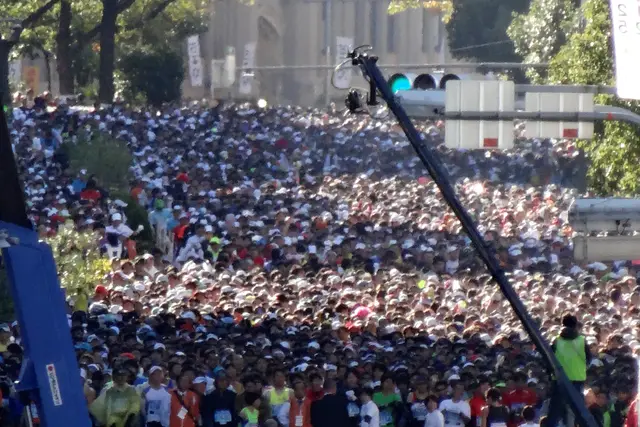
- Topped-up IC cards. Regulars load ICOCA or Suica before the show. After a finale, ticket machines get long queues and station staff often run one-way flows at the gates.
- Rubbish goes home. Public bins are scarce in Japan, and on festival nights they fill fast. People carry a bag and take their rubbish home or to their hotel.
- Staff direct the exit. Uniformed guides with light batons direct the crowd after the show. Walking the route they point to is faster than fighting it.
- Meals before or after, not during. Restaurants near the harbour fill at dinner time. A konbini picnic bought near the station avoids the wait.
Phones up for the first burst is normal. Talking loudly through the finale is not.
Making a night of it
Five evenings meant visitors could choose their night. A wet forecast for one evening still left others. That flexibility was the 2026 format’s biggest practical advantage for visitors.
The waterfront is worth walking in daylight. Kobe Port Tower, the Maritime Museum and the Earthquake Memorial Park are all in Meriken Park. The memorial keeps a section of quay left broken since the 1995 Great Hanshin earthquake. Nankinmachi, Kobe’s Chinatown, is a few minutes north of Motomachi, and its takeaway stalls make an easy dinner.
After a finale, letting the first wave of people drain away pays off. Twenty minutes over a drink in Harborland usually beats queuing on a packed platform.
Frequently asked questions
When is the Kobe Port Fireworks Festival in 2026?
It was announced for several evenings from October 19 to 23, 2026. The announcement gave the dates but no nightly start times.
Do I need a ticket to watch?
No. Watching from the waterfront was free. Any reserved or paid seating came from the organisers, not from resale sites.
Which station is closest to the viewing areas?
Motomachi Station (JR Kobe Line or Hanshin) is about a ten-minute walk from Meriken Park and Port Tower. For the Harborland side, JR Kobe Station and Harborland Station on the subway Kaigan Line are closest.
Where is the best place to watch?
The central waterfront: the Meriken Park lawns around Port Tower or the Harborland boardwalks facing the harbour. Organisers usually rope off parts of the waterfront for safety and launch operations.
What else is nearby?
Kobe Port Tower, the Kobe Maritime Museum and the Earthquake Memorial Park are all in Meriken Park. Nankinmachi (Chinatown) is a short walk north of Motomachi, and the umie and Mosaic malls line Harborland.
Plan your trip to Kobe
Japan eSIM & staying connected →
Some links above are affiliate links — if you book through them, Wander Atlas earns a small commission at no extra cost to you. It's how we keep every guide free.