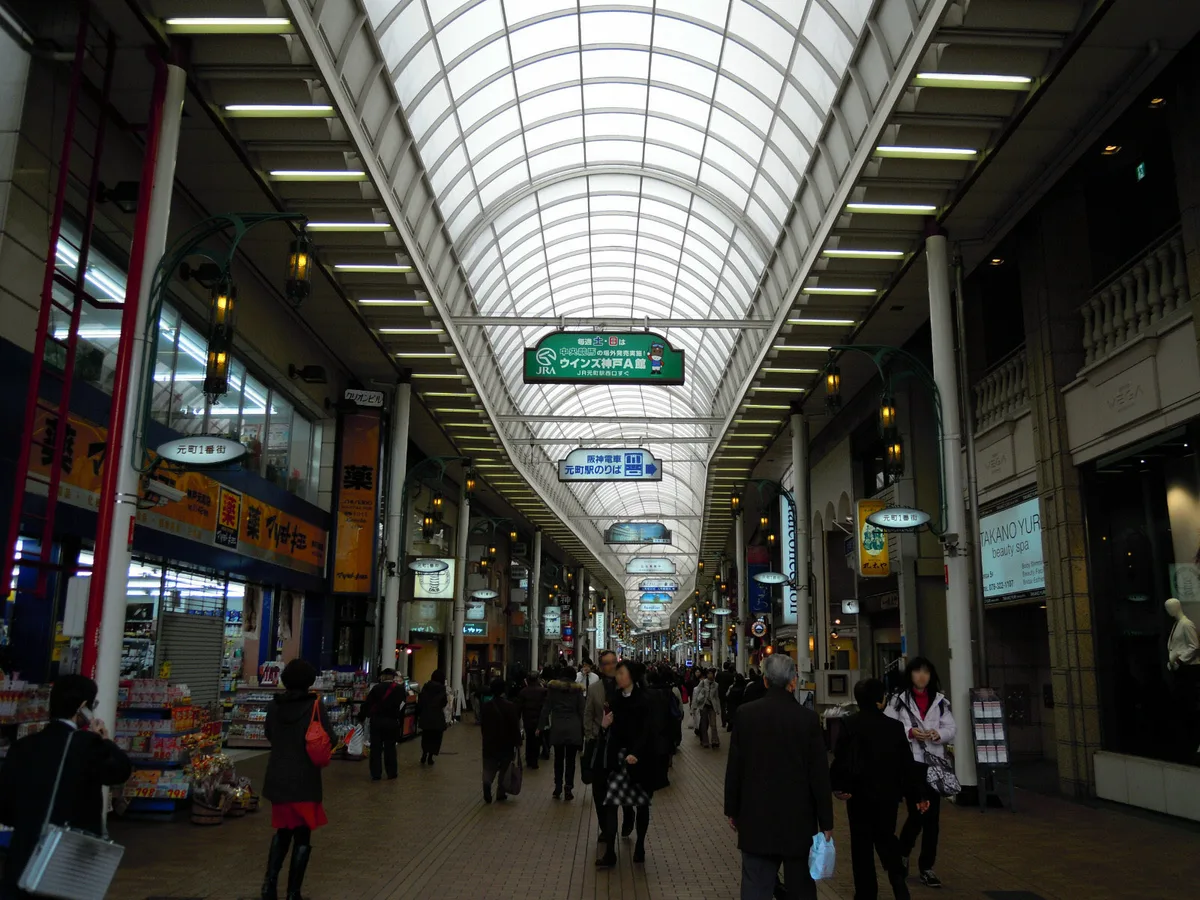
A roof over twelve blocks
Look up and you see the arcade roof running away from you for block after block. Kobe Motomachi Shopping Street stretches roughly east to west through six numbered sections, from 1-chōme near Motomachi Station out toward the Kobe Station end. Under that roof, a rainy afternoon in Kobe turns into a dry stroll.
The mix is what Google sums up as Japanese and Western retail and restaurants side by side. Old-line confectioners, kimono and tea shops, and pharmacies share the walk with cafés, bakeries and Western clothing stores. That blend makes sense here. Kobe opened as a treaty port in the 1860s, and Motomachi grew up as the shopping street serving the foreign settlement next door.
Walking it east to west
Start at the east end and let the street unspool. The chōme numbers go up as you head west, and each section has a slightly different pace.
- 1–3 chōme: the busiest stretch, closest to the stations, Daimaru department store and Chinatown. Kobe Fugetsudo, the confectioner known for its thin gaufre wafers, has its main shop in this part of the street.
- 4–6 chōme: the arcade thins out and gets quieter. You’ll find more small specialist shops, older storefronts and fewer chains.
- The west end: this brings you close to Kobe Station and a short walk from Harborland.
Walked straight through, the full length takes about 20–30 minutes. With browsing and a café stop, give it one to two hours.
Getting there and what’s around it
Several stations put you right onto the street. Which one you pick depends on which end you want to start from.
- Motomachi Station (JR Kobe Line and Hanshin Main Line): the easiest arrival, at the east end. Take the south side exits and walk a block down.
- Kyukyoryuchi-Daimarumae Station (Kaigan Line subway): near the eastern entrance by Daimaru.
- Minato Motomachi Station (Kaigan Line): handy for the middle sections.
- Kobe Station (JR) or Nishi-Motomachi (Hanshin): best if you want to start at the quiet west end and walk back toward the crowds.
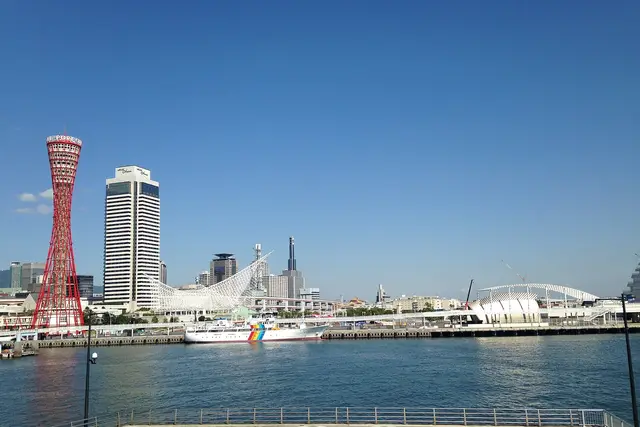
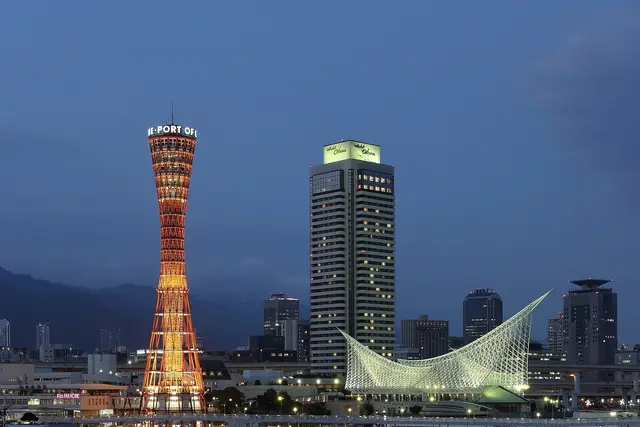
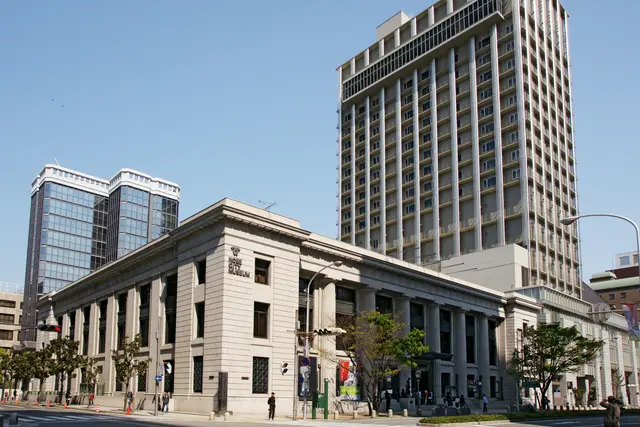
Nankinmachi, Kobe’s Chinatown, sits just south of the eastern blocks, and its gates are a two-minute detour. Keep going south and you reach Meriken Park and Kobe Port Tower on the waterfront. East of the arcade, the Former Foreign Settlement has stone commercial buildings from the treaty-port era. Sannomiya’s shopping district starts beyond that.

Shopping and eating under the arcade
Most visitors come away with something edible. Packaged Kobe sweets travel well and are a common gift, and the confectioners here box them up neatly.
Bakeries and coffee shops show up regularly along the arcade. That fits Kobe’s long-standing reputation for Western-style bread and cafés. For a proper meal, many people eat in Chinatown and then come back up to the arcade for dessert and shopping. The street is open 24 hours, but individual shops are not. Expect most shutters to come down in the evening, so come in daytime if you want to browse.
Arcade manners and paying at the till
The arcade is a working shopping street, so a few habits make the walk smoother.
- Eating while walking: this is generally frowned upon in Japan. If you buy a snack from a counter, eat it beside the shop.
- Tax-free shopping: many larger shops and pharmacies offer it at the till for visitors. Carry your physical passport, because a photo won’t do.
- Payment: cards and IC transit cards such as ICOCA work in many shops. Some small family-run stores and older counters still prefer cash.
- Bicycles: locals ride through the arcade, and signs often ask riders to walk their bikes. Keep left and leave room when you stop to look at a window.
- Bags: shop assistants often wrap purchases carefully. A quick “fukuro wa daijōbu desu” (no bag needed) is understood if you’d rather skip the packaging.
Weekends bring more shoppers to the eastern blocks near the stations. If you want space to browse, start from the west end and work east.
Fitting it into a Kobe day
Motomachi works best as a link between places rather than a stop on its own. One easy loop goes like this:
- Arrive at Motomachi Station.
- Detour south through Nankinmachi.
- Come back into the arcade and walk west.
- Drop down to Harborland for the waterfront in the late afternoon.
Or reverse the route, starting at Kobe Station and finishing near Sannomiya for dinner. Either way the arcade roof covers most of the walk, which makes this a strong plan for a wet day in the city.
Frequently asked questions
How do I get to Kobe Motomachi Shopping Street?
Take the JR Kobe Line or Hanshin Main Line to Motomachi Station and walk one block south to reach the east end. Kyukyoryuchi-Daimarumae and Minato Motomachi on the Kaigan Line subway also serve the street, and Kobe Station is near the west end.
Is the street open at night?
The arcade itself is a public street and open 24 hours. Shops and restaurants keep their own hours, though, and most close in the evening, so visit in the daytime if you want to shop.
How long should I spend there?
Walking the whole length without stopping takes about 20–30 minutes. Allow one to two hours if you want to browse, stop for coffee and pick up sweets.
What is nearby?
Nankinmachi (Chinatown) is directly south of the eastern blocks. Meriken Park and Kobe Port Tower are further south on the waterfront, the Former Foreign Settlement and Sannomiya are to the east, and Harborland is near the west end.
Can I shop tax-free?
Many larger shops and pharmacies on the street offer tax-free purchases for visitors. Bring your physical passport to the till.
Plan your trip to Kobe
Japan eSIM & staying connected →
Some links above are affiliate links — if you book through them, Wander Atlas earns a small commission at no extra cost to you. It's how we keep every guide free.