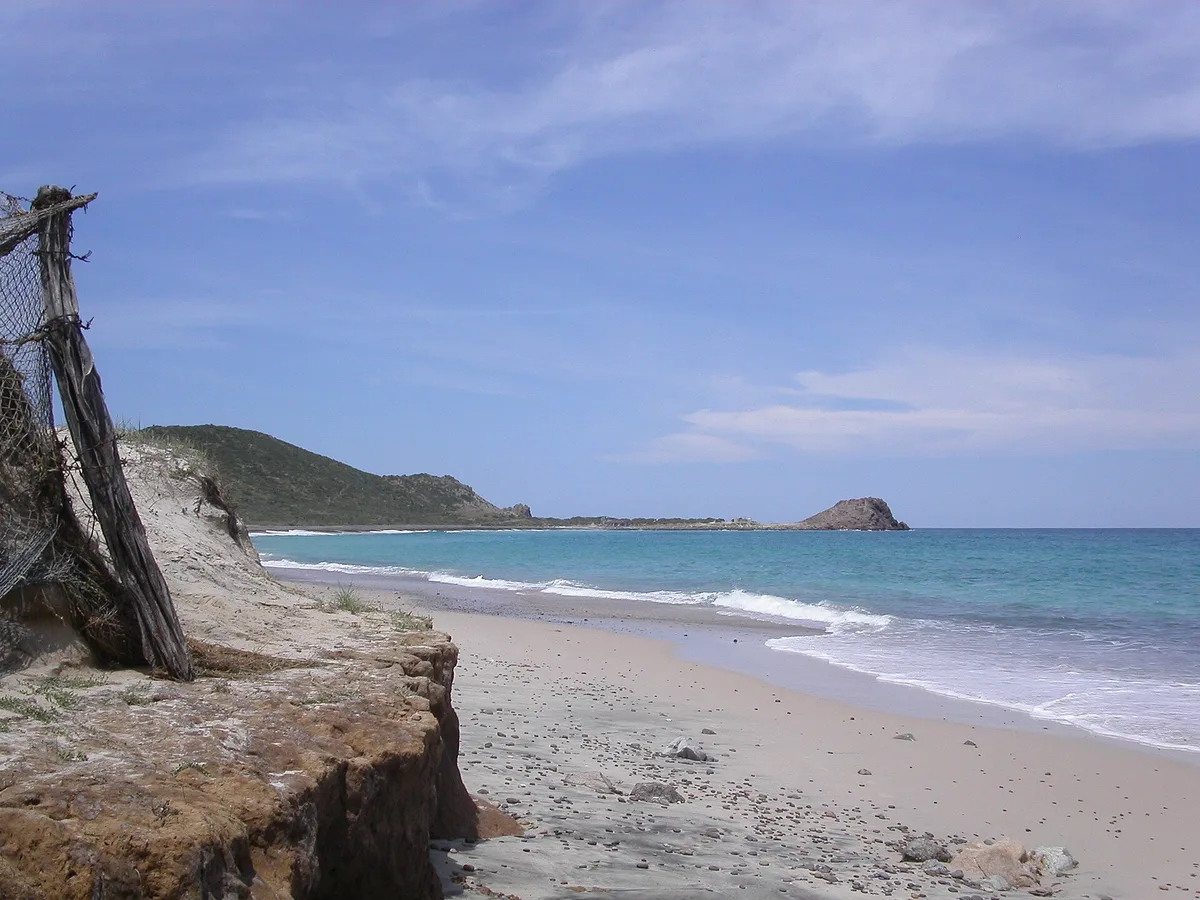
A reef that came back
Cabo Pulmo is famous for one reason: the fish returned. Through the 1990s the fishing families here pushed for protection, and the park was declared in 1995. Researchers later measured a fish biomass recovery of more than 400 percent. That ranks among the strongest marine comebacks recorded anywhere.
You see it in the water. Schools of jacks pack into slow, spinning columns. Grouper and snapper hang over the rock fingers of the reef, and sea lions work the southern point. The park is part of a UNESCO World Heritage listing for the Gulf of California’s islands and protected areas. It is also a Ramsar wetland site.
The drive up the East Cape
Getting here takes effort. From San José del Cabo, most visitors head north on Highway 1, then turn east toward La Ribera. From there a paved road runs south along the coast to the village. Allow around two hours each way.
The other route is the coastal road from San José. It is scenic, but long stretches are unpaved washboard. A rental car with decent clearance handles it in dry weather. After rain, ask locally before you try.
The village itself is a scatter of low buildings and dive shops along a sand road. Much of it runs on solar power. There is no bank, so bring enough pesos for the day and some extra. A few small restaurants face the beach. Plan to fuel up before you leave the highway.
In the water: where the boats go
The reef runs as a series of parallel basalt ridges just offshore, covered in coral and sea fans. Boats leave from the beach and reach most sites in minutes. Commonly visited spots include:
- El Bajo: deeper ridges where big schools of jacks and pelagics often gather
- Las Casitas: overhangs and small caves, good for divers
- El Islote: a shallower rocky outcrop
- El Vencedor: a tuna boat that sank in 1981 and is now an artificial reef
- Los Frailes: the sea lion colony at the park’s southern edge, a favourite on snorkel trips
Snorkelers usually get two or three stops in a half-day outing. Divers often do a two-tank morning. Either way, the whole trip fits comfortably between the park’s opening and mid-afternoon.
Booking a boat and wearing the wristband
There’s a system here. Respect it. Most of the park’s waters can only be visited with a licensed operator, and those operators are largely run by village families. Book with one of the shops along the beach road. Reserve ahead in high season, because group sizes at each site are limited.
- The wristband: every visitor pays a park fee to CONANP, the federal protected-areas agency. You get a wristband to wear. Your operator usually handles it; the current fee is posted by CONANP and at the shops.
- Sunscreen: use reef-safe lotion, or better, a long-sleeve rash guard.
- Hands off: no touching coral, no standing on the reef, no collecting shells.
- No fishing: the whole park is no-take, from shore and from boats.
- Beach snorkeling: only certain beach areas are open without a guide. Ask your operator which ones before you wade in.
The park is well known, so don’t expect solitude in peak months. Book the earliest boat, which usually gets you on the reef before the day-trippers driving up from Cabo arrive.
When the sea is at its best
The best season depends on what you want to see. From December to March, humpback whales pass offshore and you can often spot them from the boat. Winter water is cooler, and a wetsuit helps.
Spring brings mobula rays, which can gather in large schools and leap clear of the surface. Summer into autumn brings the warmest water and often the clearest visibility. That is also hurricane season, so build flexibility into your dates. Wind can cancel boat trips at any time of year.
Opening hours are currently 8am–5pm every day. Treat that as this week’s schedule. Protected-area hours can change with the season and holidays, so check CONANP’s official channels before you drive two hours.
Making it more than a day trip
A day trip works, but it’s a lot of road for one morning. Staying a night or two in the village lets you dive on consecutive mornings and catch the empty beach at dusk. Lodging is small-scale and books up, so reserve early.
Nearby, Los Frailes beach marks the southern end of the park, with a long curve of sand under a granite headland. Heading north, La Ribera and Los Barriles offer more services and fuel. Many travellers stop there on the drive back toward San José del Cabo.
Frequently asked questions
How do I get to Cabo Pulmo from Los Cabos?
Drive north from San José del Cabo on Highway 1, turn east toward La Ribera, then follow the paved road south along the coast. Allow about two hours. The coastal road from San José is shorter on the map, but long sections are unpaved.
Can I snorkel at Cabo Pulmo without a tour?
Only in a few beach areas. Most of the reef can only be visited with a licensed local operator. Ask a dive shop in the village which beach zones are open to independent snorkelers.
What is the best time of year to visit?
Come December to March for passing humpback whales, spring for mobula rays, and summer to autumn for the warmest water. Late summer and autumn is hurricane season, so keep your dates flexible.
How long should I spend at Cabo Pulmo?
A half-day boat trip covers two or three snorkel sites or a two-tank dive. Add the four-hour round-trip drive and it fills a full day. Stay overnight if you want more than one session on the reef.
What are the park's opening hours?
Currently 8am–5pm daily, but hours for protected areas can change through the year. Check CONANP's official channels or with your operator before you go.
Plan your trip to Los Cabos
Mexico eSIM & staying connected →
Some links above are affiliate links — if you book through them, Wander Atlas earns a small commission at no extra cost to you. It's how we keep every guide free.
Related guides
 attraction
 Cultural Pavilion of the Republic: Los Cabos Travel Guide
 hidden gem
 Museum of Natural History in Cabo San Lucas: Los Cabos Travel Guide
 attraction
 Los Arcos: Puerto Vallarta Travel Guide (4.7★)
 attraction