Art below the castle walls
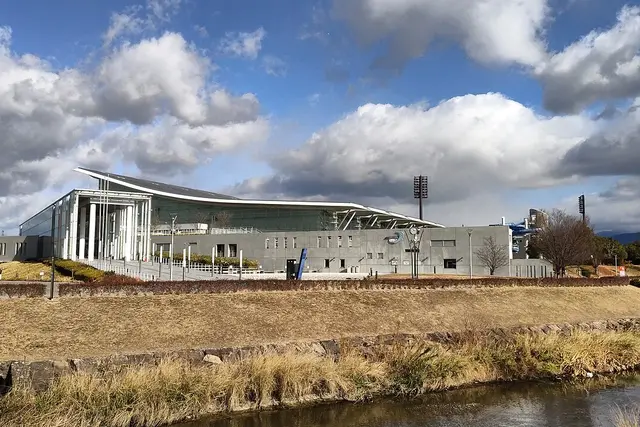
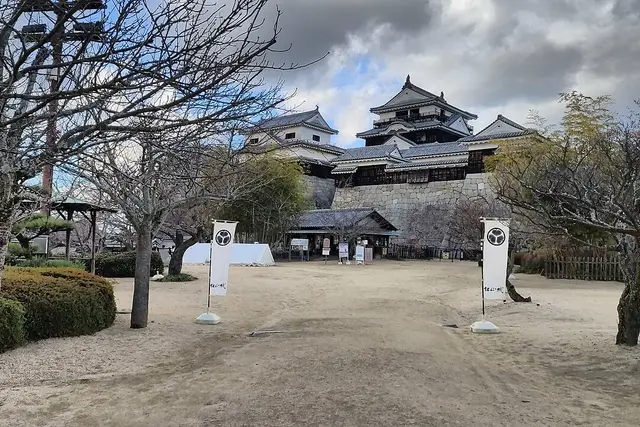
The castle comes first here. Matsuyama Castle rises on its wooded hill right above, and the Ehime Museum of Art sits on the flat ground of Horinouchi Park below it. That ground was once the outer precinct of the castle, and the old stone-walled moats still run around it.
This is Ehime Prefecture’s main art museum, and it is well known in the city. The editorial summary calls it a place for Japanese and international art. It is also a working centre, with lectures and hands-on workshops in printmaking, woodworking and weaving.
What’s on the walls, and in the studios
Plan for two kinds of visit under one roof. The collection galleries cover Japanese and Western art. The temporary exhibitions change through the year and bring in work from elsewhere. Check the official site before you go, because the special shows are what drive most people’s visits.
The workshop programme is the less obvious draw. Printing, woodworking and weaving sessions are aimed mainly at residents. They usually run on a schedule and need advance sign-up, so a visitor staying a few days should check the calendar early.
The address puts the entrance on the first floor of the new building (新館). That matters when you are crossing the park looking for the way in.
Getting into Horinouchi
Matsuyama’s orange Iyotetsu trams are the easy way in. Use these stops:
- Minami-Horibata: the closest stop, a few minutes’ walk across the park.
- Shiyakusho-mae (City Hall): another option on the moat side of the park.
- From JR Matsuyama Station: trams run east to Minami-Horibata in a few stops. You can also walk it.
- From Iyotetsu Matsuyama-shi Station: walk north through the Ginten-gai arcade and you’re at the park in well under half an hour.
Horinouchi is flat, open lawn crossed by paths. It is easy going with a stroller or wheelchair, unlike the castle hill above.

Moving through the galleries quietly
Japanese museums run on quiet. People move slowly, talk in low voices and keep a step back from the works. Do the same and you will fit in.
- Bags: use the coin lockers for large bags and umbrellas. Big backpacks are often not allowed in the galleries.
- Photos: assume photography is not allowed unless a sign says otherwise. Some special exhibitions name one spot where photos are allowed.
- Notes: if you want to sketch or write, use a pencil. Pens are commonly banned near the works.
- Tickets: buy at the counter. The collection and the special exhibition may be priced separately, and current prices are posted at the counter and on the official website.
- Trams: board at the back and pay as you leave at the front, by the driver.
When to go
Mondays are the trap. The museum is closed every Monday, and plenty of visitors arrive at locked doors on that day. From Tuesday to Sunday the doors open at 9:40am and close at 6pm, the same hours every day.
Two hours covers a special exhibition and a pass through the collection without rushing. The museum is also Matsuyama’s best indoor stop when rain makes the castle climb less appealing.
Late March to early April is the busiest time in the park. Horinouchi and the castle grounds are among the city’s main cherry blossom spots, so expect more people crossing the lawns then. Opening time, before groups gather on the castle hill, makes a calmer start.
Making a day of it
The museum fits easily into a castle-and-onsen day. From the park, these are all close:
- Matsuyama Castle: one of Japan’s twelve castles with an original keep. Walk up from the park or take the ropeway and chairlift from the Okaido side.
- Ninomaru Historical Garden: the excavated site of the castle’s secondary compound, on the slope between the park and the keep.
- Okaido and Ginten-gai: covered shopping arcades just south and east, good for lunch.
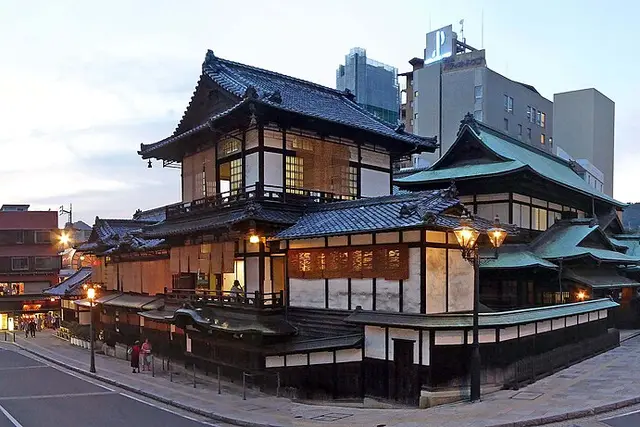
- Dogo Onsen: a straight tram ride east to the end of the line, home to the Dogo Onsen Honkan bathhouse.
A good order is museum in the morning, castle at midday and Dogo in the evening. That works on any day except Monday.
Frequently asked questions
Is the Ehime Museum of Art open on Mondays?
No. It is closed every Monday. From Tuesday to Sunday it opens 9:40am–6pm.
How do I get to the Ehime Museum of Art from Matsuyama Station?
Take an Iyotetsu tram to Minami-Horibata. It is the nearest stop and only a few minutes' walk across Horinouchi Park. Shiyakusho-mae (City Hall) is another option.
How long should I spend there?
About one to two hours covers a special exhibition and the collection galleries. Add time if you plan to walk up to Matsuyama Castle afterwards.
Can I take photos inside?
Photography is generally not allowed in the galleries unless a sign says otherwise. Some special exhibitions name one spot where photos are allowed.
What is near the museum?
Matsuyama Castle and Ninomaru Historical Garden are right above Horinouchi Park. The Okaido arcade is a short walk away, and Dogo Onsen is a direct tram ride east.
Plan your trip to Matsuyama
Japan eSIM & staying connected →
Some links above are affiliate links — if you book through them, Wander Atlas earns a small commission at no extra cost to you. It's how we keep every guide free.