
A castle you reach on a dangling seat
Matsuyama Castle starts with a choice. At the bottom of Mount Katsuyama, the ropeway gondola and a single-seat open chairlift leave from the same station and run side by side up the slope. Take the chairlift and your feet hang over the treetops, with only a lap bar between you and the hillside.
At the top, a stone path climbs through layered gates to the main keep. The ramparts are huge curved walls of fitted granite. The keep itself is dark timber over white plaster, standing on the summit at about 132 metres.
What you are actually looking at
This is one of Japan’s twelve original castles. Those are the only keeps that survived the Meiji-era demolitions and wartime bombing with their Edo-period structures intact. The lord Kato Yoshiaki began building in 1602. The current keep went up in the 1850s, after lightning destroyed the earlier one, which makes it the youngest of the twelve originals.
That age shows in the details. Look for:
- Steep wooden staircases inside, closer to ladders than stairs
- Stone-drop openings and gun ports in the walls, built for defence and never for show
- Displays of armour, swords and documents on the lower floors
- The top-floor windows, open to the city, the Seto Inland Sea and the hills of Shikoku
The castle is consistently rated among the best sights in Shikoku and draws well over 17,000 Google reviews. Expect company, not solitude.
Getting up Mount Katsuyama
Most visitors start at the ropeway station on the east side of the hill. It’s a short walk from Okaido tram stop on the Iyotetsu city tram, around ten minutes by tram from JR Matsuyama Station. The Okaido covered arcade runs right up to the area, so you can get there on foot from downtown as well.
Your options from there:
- Ropeway: enclosed, quick, and the better choice with luggage or in rain
- Chairlift: open-air and slower, and the one people remember
- On foot: several paved trails climb the hill, including routes from the prefectural office side and the west. Allow 20–30 minutes, and the slope is steep in places.
Both lifts drop you about ten minutes’ walk below the keep. You’ll still climb stone steps whichever way you go up.

Beating the crowds to the keep
This place is well visited, so timing matters more than anything else. On weekdays, the quietest window is 9am to 10am. If you’re on the first lift up, you can climb the keep’s staircases without a line behind you. On weekends, avoid 11am to 3pm. That’s when tour groups and families pile up at the gates and on the narrow interior stairs.
The keep opens at 9:00 AM and closes at 4:30 PM every day of the week. Last entry comes before closing, so don’t start up the hill late in the afternoon. Current ticket prices are posted at the ropeway station and the keep entrance.
Inside the keep, follow these customs:
- Take your shoes off at the entrance and carry them with you. Wear socks you’re happy to be seen in.
- Go up and down the stairs slowly, facing the steps on the way down, as most Japanese visitors do
- Keep large bags small, because the passages are tight and there are no wide landings
- Leave space at the top-floor windows so others can take their photos too
When the hill is at its best
Spring is peak season. The castle grounds are planted with hundreds of cherry trees, and they usually bloom from late March into early April. Expect the busiest days of the year then, and the 9am weekday start becomes essential.
Autumn brings clear air and longer views across the Inland Sea. Summer is hot on the exposed stone steps, so the lifts make more sense then. Plan on two to three hours in total: the ride up, the keep, and a slow walk around the summit plaza.
Below the walls and beyond
Walk down the southwest side and you reach the Ninomaru Historic Garden, the remains of the lord’s secondary residence laid out as a garden among the old foundations. Near the ropeway base, Bansuiso is a French-style villa from the 1920s, set on the slope behind the arcade.
From Okaido, the tram runs east to Dogo Onsen, the old bathhouse that most visitors pair with the castle. You can climb the castle in the morning and be in the hot water by the afternoon.
Frequently asked questions
When is the quietest time to visit Matsuyama Castle?
On weekdays, 9am to 10am is the quietest window, so take the first lift up. On weekends, avoid 11am to 3pm, which is the busiest stretch.
What are Matsuyama Castle's opening hours?
The keep is open 9:00 AM to 4:30 PM every day of the week. Last entry is before closing, so give yourself time to get up the hill.
How do I get to Matsuyama Castle from Matsuyama Station?
Take the Iyotetsu city tram to Okaido stop, about ten minutes, then walk a few minutes to the ropeway station. From there, ride the ropeway or chairlift, or hike one of the trails up Mount Katsuyama.
Should I take the ropeway or the chairlift?
They run side by side from the same station. The chairlift is open-air with dangling legs and gives the better views. The enclosed ropeway is better with bags, small children or in rain. Either way, expect about a ten-minute walk to the keep from the top.
How long should I spend at Matsuyama Castle?
Allow two to three hours for the ride up, the keep's interior and the summit grounds. Add time if you're walking down past Ninomaru Historic Garden.
Plan your trip to Matsuyama
Japan eSIM & staying connected →
Some links above are affiliate links — if you book through them, Wander Atlas earns a small commission at no extra cost to you. It's how we keep every guide free.
Related guides
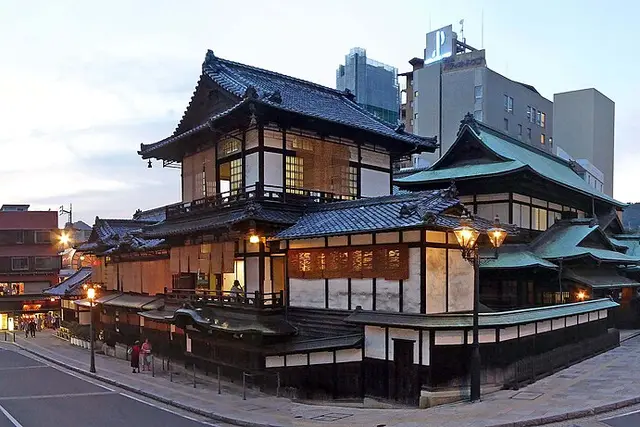 hidden gem
 Dogo Onsen Main Building: Matsuyama Travel Guide (4.2★)
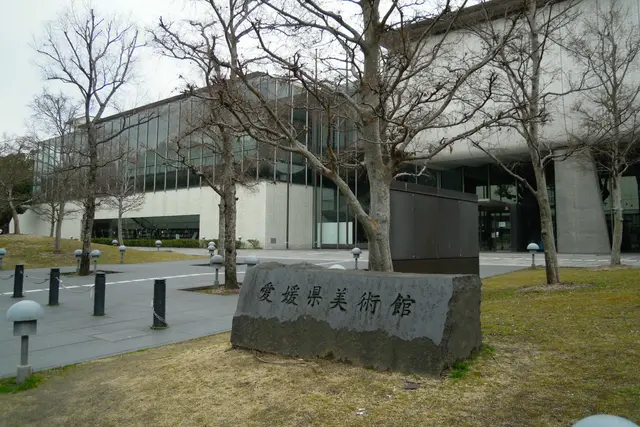 attraction
 Ehime Museum of Art: Matsuyama Travel Guide (4.1★)
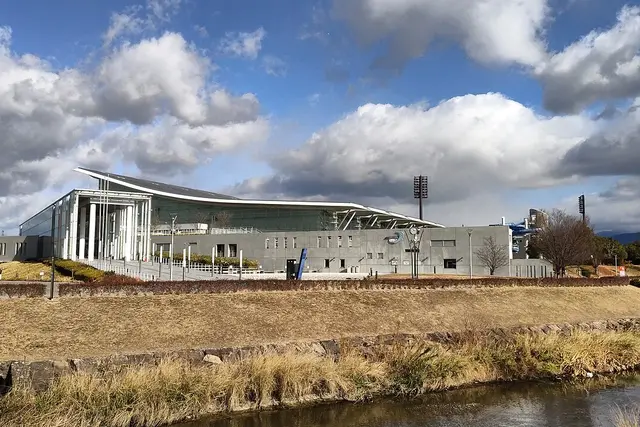 attraction
 Matsuyama General Park: Travel Guide (4.2★)
 hidden gem