A bathhouse with a drum on its roof
Look up first. On top of the tiled, layered roofs sits the Shinrokaku, a small glassed tower with a red-capped white heron on its peak. A taiko drum inside is struck at 6am, noon and 6pm, and the sound carries over the arcade below.
The building dates to 1894. Its dark timber, paper screens and stacked gables made it the first public bathhouse named an Important Cultural Property in Japan. Long preservation works ran from 2019, and the full building reopened in 2024.
Why it pulls the crowds
Dogo is often called Japan’s oldest hot spring. The local legend says a wounded white heron healed its leg in the water here, which is why herons turn up all over the building. Natsume Soseki bathed here while teaching in Matsuyama, and his novel Botchan made the place famous across Japan.
Fans of Studio Ghibli also call it one of the inspirations for the bathhouse in Spirited Away. That brings a steady stream of international visitors. This is one of the most-reviewed sights in Shikoku and absolutely not a secret, so plan around the crowds rather than hoping to avoid them.
Choosing your bath and your floor
The editorial summary covers the basics: public baths, tea and snacks, and private rooms. Inside, the building is split into two baths and several levels of rest space:
- Kami-no-Yu (Bath of the Gods): the larger ground-floor bath, with granite walls and a stone tank in the middle.
- Tama-no-Yu (Bath of the Spirits): a smaller, quieter bath that you reach on the more expensive courses.
- Second-floor rest hall: an open tatami room where you lounge in a cotton yukata afterwards, with tea and a sweet.
- Third-floor private rooms: small tatami rooms for the top course. They are limited and go first.
Ask about a look at the Yushinden on the way out. It is the private bath wing built in 1899 for the imperial family, and you see it on a guided walk-through, not as a place to bathe. Current courses and prices are posted at the ticket window and on the official Dogo Onsen site.

Getting in without the weekend scrum
The doors are open 6:00am–11:00pm every day of the week. Measured foot traffic marks 7am–11pm as the quieter window on both weekdays and weekends, so a weekday visit is calmer at almost any hour. Don’t turn up on a weekend between 12pm and 9pm. That’s when queues spill toward the arcade and the rest halls fill.
Two moves work well. You can be there for the 6am drum and the first bathers. Or you can come after dinner, when day-trippers have gone back to central Matsuyama. Ticket sales end before the 11pm close, so don’t push it to the last minute.
Bath manners at the Honkan
Locals treat the Honkan as a working bathhouse, not a museum. Follow the routine and nobody will look twice:
- Take your shoes off at the entrance and leave them in the shoe lockers.
- At the washing taps, sit on the stool and scrub down completely before you get in the tank.
- No swimsuits. Keep your small towel out of the water; people fold it on their heads.
- Keep phones and cameras away anywhere near the baths.
- In the rest hall, wear the yukata you’re given, keep your voice down and hand the cups back when you leave.
Tattoo rules at Japanese baths change, so check the official site before you go if you have ink. Drink some water when you get out. The spring water is hotter than many first-timers expect.
Getting there and what’s next door
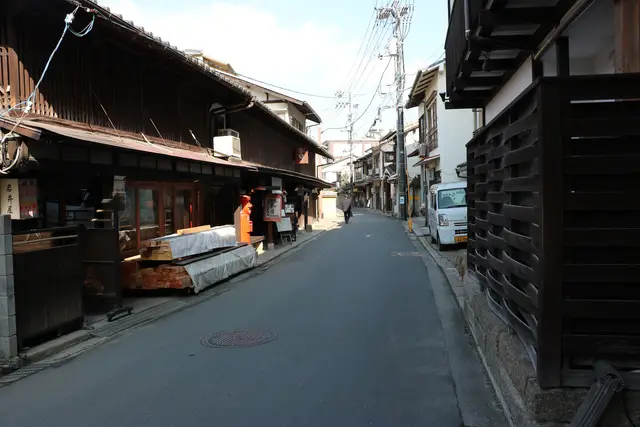
Take the Iyotetsu tram to Dogo Onsen Station, the end of the line, from central Matsuyama or JR Matsuyama Station. The retro Botchan Ressha, a replica of the old steam train, also runs here on some services. From the platform, walk through the covered Dogo Haikara-dori arcade for about five minutes. It ends at the bathhouse.
Give the bath and rest hall 60–90 minutes, and longer if you’ve booked a private room. Then use the time:
- Asuka-no-Yu: the modern annex opened in 2017, with baths decorated in Ehime crafts.
- Tsubaki-no-Yu: the plainer bath where neighbours do their daily soak.
- Botchan Karakuri Clock: outside the tram station, its figures come out on the hour.
- Isaniwa Shrine and Dogo Park: a short uphill walk, with the Yuzuki Castle ruins in the park.
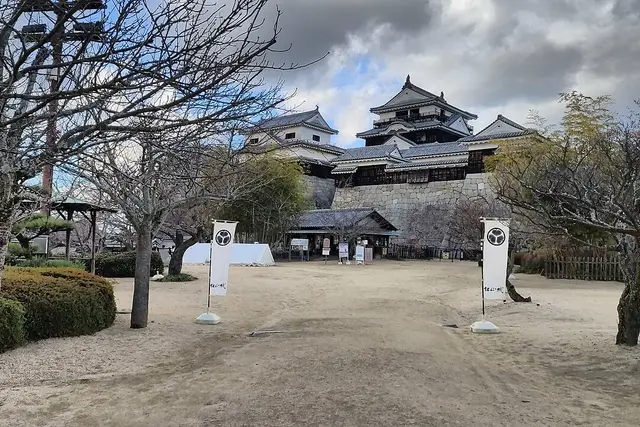
- Matsuyama Castle: back down the tram line, an easy half-day add-on.
Frequently asked questions
When is the quietest time to visit Dogo Onsen Main Building?
Measured foot traffic shows 7am–11pm as the quieter window on both weekdays and weekends. Avoid weekends between 12pm and 9pm, which is the busiest stretch. Early morning after the 6am opening or late evening are the calmest choices.
What are the opening hours?
It's open daily from 6:00am to 11:00pm, including weekends. Ticket sales stop before closing, so arrive with time to spare.
How do I get there from central Matsuyama?
Take the Iyotetsu tram to Dogo Onsen Station at the end of the line. From there, walk about five minutes through the Dogo Haikara-dori shopping arcade to 5-6 Dogoyunomachi.
How long should I spend there?
Allow 60–90 minutes for a bath and time in the second-floor rest hall. Allow longer if you book a private third-floor room or join the Yushinden walk-through.
What else is nearby?
Within walking distance you'll find the modern Asuka-no-Yu annex, Tsubaki-no-Yu, the Botchan Karakuri Clock, Isaniwa Shrine and Dogo Park. Matsuyama Castle is a short tram ride away.
Plan your trip to Matsuyama
Japan eSIM & staying connected →
Some links above are affiliate links — if you book through them, Wander Atlas earns a small commission at no extra cost to you. It's how we keep every guide free.