Three nights over Yeongil Bay
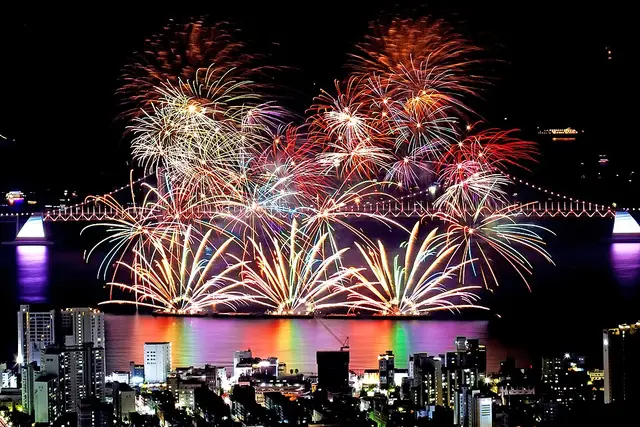
Pohang lights up for three nights. In Korean the festival is 포항국제불빛축제, the Pohang International Fire & Light Festival. It runs from November 19 to 21, 2026, and it ranks among Korea’s top three firework festivals.
The programme has four parts:
- an international fireworks show, with teams from abroad firing over the water
- a fireworks contest
- a drone light show, with formations drawn against the night sky
- a street parade through the city
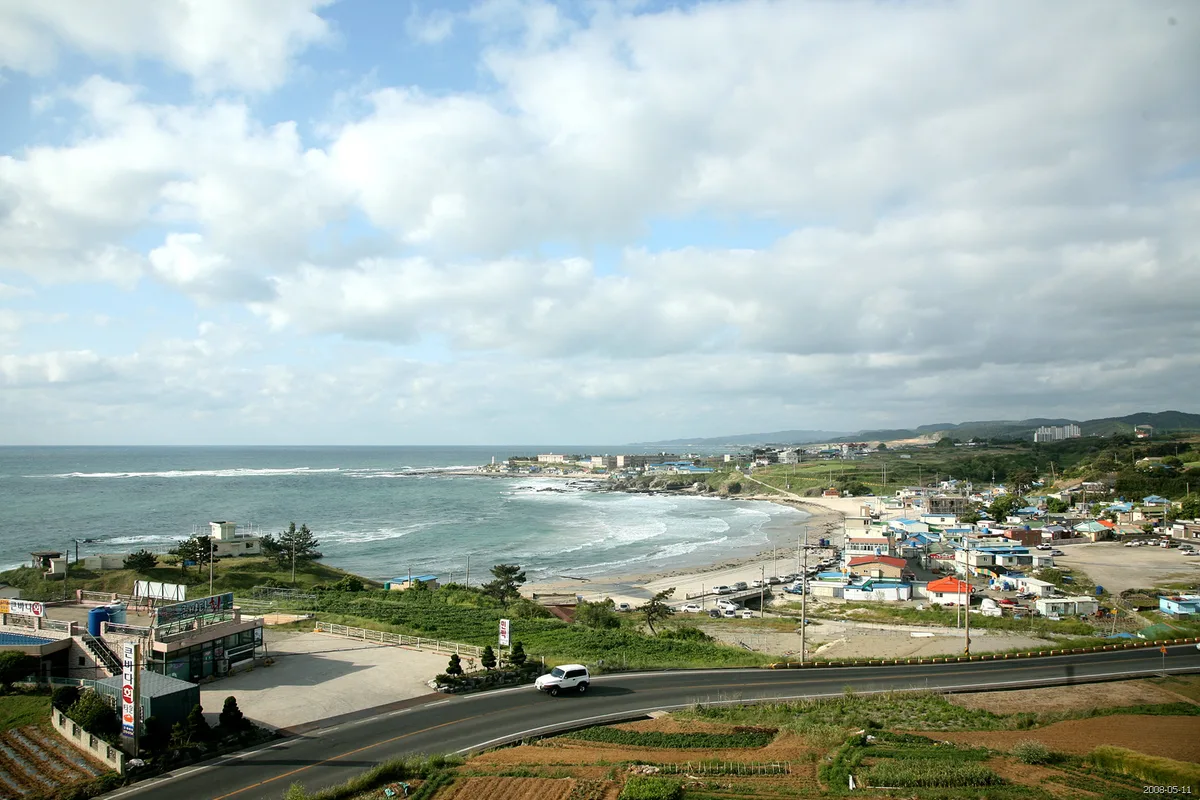
Earlier editions centred on Yeongildae Beach, a long curve of sand facing Yeongil Bay in Buk-gu. The bay makes a dark backdrop, and the shells reflect in the water below. Pohang City publishes the venue layout for this edition on its official festival site.
Reaching the waterfront
Most visitors come by KTX. High-speed trains run from Seoul Station to Pohang Station, which sits northwest of the city centre. From the station, city buses and taxis go down to the coast. Express buses from Seoul and Daegu stop at Pohang Express Bus Terminal, which is closer to the beach.
Roads near the shore close or clog on show nights. Locals usually leave the car behind and walk the last stretch. They also tend to stay put after the finale rather than join the crush for taxis, since the city empties slowly once the sky goes quiet.
Watching from the sand
The crowd follows a few habits of its own. On show nights, families claim their patch of sand hours before dark. They lay out picnic mats and bring takeaway chicken and convenience-store snacks, which is normal festival behaviour in Korea. Mid-November evenings on the Pohang coast are cold, and the wind comes straight off the East Sea. Regulars bring:
- padded jackets and blankets for the mat
- hand warmers, which are sold at every convenience store
- a fully charged phone, because the drone formations are what people film most
Korean crowds pack in tightly but stay orderly. People sit down so the rows behind can see, and they take their rubbish away with them. Mobile and card payment work almost everywhere, including at the pop-up food stalls. Any ticketed or reserved seating is set out on Pohang City’s official festival site.
Daylight around Pohang
November is gwamegi season. Gwamegi is the city’s winter speciality: herring or saury dried half-frozen in the sea wind and eaten wrapped in seaweed with garlic and chilli. Jukdo Market, Pohang’s big traditional market near the inner harbour, sells it alongside mulhoe, a cold raw-fish soup the city is known for.
Close to Yeongildae, Hwanho Park holds Space Walk, a walkable steel roller-coaster sculpture above the bay. Further out, Homigot Sunrise Square has the Hands of Harmony sculptures rising from the sea at the Korean peninsula’s eastern tip. Guryongpo’s preserved Japanese-era street sits on the same peninsula. A day out there fits easily around an evening show.
Frequently asked questions
When is the Pohang International Fireworks Festival in 2026?
It runs from November 19 to 21, 2026, under the official name Pohang International Fire & Light Festival.
What happens at the festival?
There is an international fireworks show, a fireworks contest, a drone light show and a street parade through Pohang.
Where is it held?
Earlier editions centred on Yeongildae Beach on Yeongil Bay. Pohang City publishes the venue layout for this edition on its official festival site.
How do I get to Pohang from Seoul?
KTX trains run from Seoul Station to Pohang Station, and express buses run to Pohang Express Bus Terminal. On show nights, buses, taxis or walking work better than driving, because roads near the coast get congested.
What should I bring for a November show?
Warm layers, a blanket or mat for the sand, and hand warmers. Evenings on the East Sea coast are cold and windy in late November.
Plan your trip to Pohang
South Korea eSIM & staying connected →
Some links above are affiliate links — if you book through them, Wander Atlas earns a small commission at no extra cost to you. It's how we keep every guide free.