The Painted Ladies: San Francisco Travel Guide (4.4★)
When to visit United States: month-by-month weather, crowds and holidays →
✓ Facts verified via Google Places · Aug 5, 2026
At a glance
How this guide is made
Produced with AI assistance and reviewed against live data sources. Facts such as hours, ratings, and location come from Google Places; images are licensed or public domain. Details can change — please verify before visiting. Editorial policy
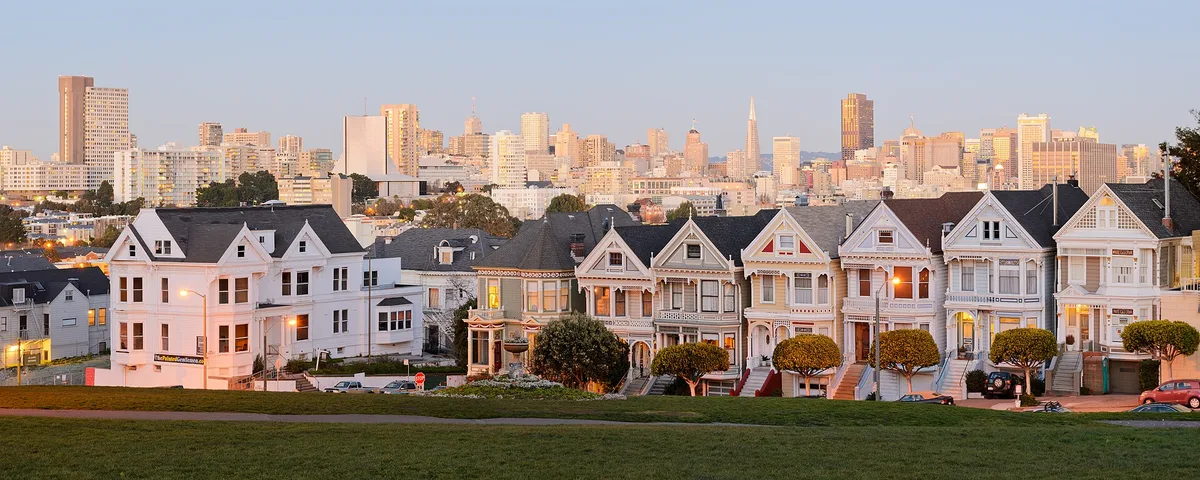
You come up out of the Western Addition on foot, or you climb out of a rideshare on Hayes Street, and for a moment you don’t see them, Alamo Square is a green hill dotted with palms and eucalyptus, and the houses are tucked along its eastern edge. Then you crest the slope and there they are: seven Victorian houses in a tidy row on Steiner Street, gables and turrets stacked up in candy-box colors, with the glass towers of the Financial District rising behind them like a set change.
It’s one of the most photographed views in San Francisco, and the reason is obvious the second you see it.
Why they matter
These particular seven houses, built in the 1890s in the Queen Anne style, are known as “Postcard Row,” and they’ve been famous for decades as shorthand for San Francisco itself, appearing on postcards, in ads, and most famously as the opening-credits backdrop of the sitcom “Full House.” The Painted Ladies name actually applies more broadly to any of the city’s colorfully repainted Victorians, but this row is the one everyone means when they say it.
The houses themselves are private residences, you can’t go inside, so the entire experience is the view from the park itself.
Getting there
Alamo Square sits in the Western Addition, roughly between the Haight and Japantown. The closest useful transit is the Muni 21-Hayes bus, which stops right along Hayes Street a block or two from the square, or you can walk up from the Lower Haight or Divisadero corridor in about fifteen minutes. There’s very little dedicated parking nearby, and street parking around the square fills quickly, so arriving by bus, rideshare, or on foot is usually less hassle than driving. From Union Square or downtown, it’s roughly a 15-20 minute drive or a similar bus ride.

What you’ll actually see and do
The postcard shot is taken from the sidewalk on Alamo Square’s east side, near Steiner and Hayes, looking across the grass at the houses with downtown skyscrapers behind them. Most visitors spend twenty to thirty minutes here: find the classic angle, take photos, maybe walk the perimeter path for a slightly different vantage. The park itself is worth lingering in beyond the photo op.
It’s a genuine neighborhood green space with sweeping views west toward the Haight and Twin Peaks, and it’s common to see locals picnicking, walking dogs, or doing yoga on the lawn.
If you want a longer outing, the square connects easily to a walking route through Hayes Valley, a few blocks east, which is dense with boutiques, cafés, and places to eat.
When to go
Because the row faces roughly east, morning light comes from behind the houses and can leave them slightly backlit, while afternoon and early evening light rakes across their facades and tends to make the colors pop, late afternoon is generally considered the most flattering time for photos. The park has no gates and no admission, so it’s accessible essentially any time it’s light out, though like most city parks it’s best visited in daylight hours rather than after dark.
How to visit like a local
Come on a weekday morning if you want the sidewalk to yourself; tour buses and larger groups tend to cluster there through the middle of the day and on weekends, especially in summer. There’s no ticket, no booking, and no fee, you simply walk up and look, so the only real “etiquette” is respecting that these are someone’s actual homes: stay on the public sidewalk and park paths, don’t approach the porches or gates, and keep noise down given it’s a residential block.
The common mistake visitors make is treating this as a quick drive-by stop; because the row is a private residence with no formal entrance or facility, the value is entirely in the view and the park around it, so it’s worth the walk up the hill rather than just snapping a photo from the car. Pair it with a stroll into Hayes Valley for coffee or lunch afterward, which turns a fifteen-minute photo stop into a half-day neighborhood visit.
Frequently asked questions
How do I get to the Painted Ladies?
Take the Muni 21-Hayes bus to a stop along Hayes Street near Alamo Square, or walk up from the Lower Haight/Divisadero area in about 15 minutes. Street parking nearby is limited, so transit, rideshare, or walking is easier than driving.
Is there an entrance fee?
No. The houses are private residences viewed from the public sidewalk and park, so there's no ticket or admission — it's free at any time.
What's the best time of day to photograph them?
Late afternoon and early evening, when the light rakes across the house facades from the west; mornings can leave the row slightly backlit.
How long should I plan to spend here?
Most visitors spend 20-30 minutes getting the classic photo and walking the park; allow longer if you want to picnic on the lawn or continue into nearby Hayes Valley.
Can you go inside the houses?
No, they are privately owned homes, not museums, so the visit is entirely about the exterior view from Alamo Square.
Plan your trip to San Francisco
Some links above are affiliate links — if you book through them, Wander Atlas earns a small commission at no extra cost to you. It's how we keep every guide free.
Related guides
 attraction
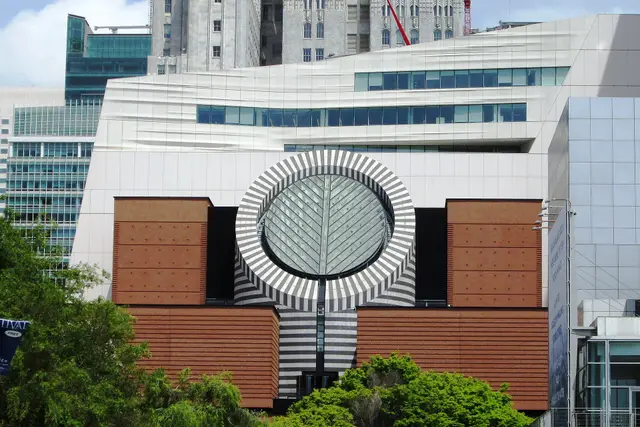
 San Francisco Museum of Modern Art: Travel Guide (4.6★)
 attraction
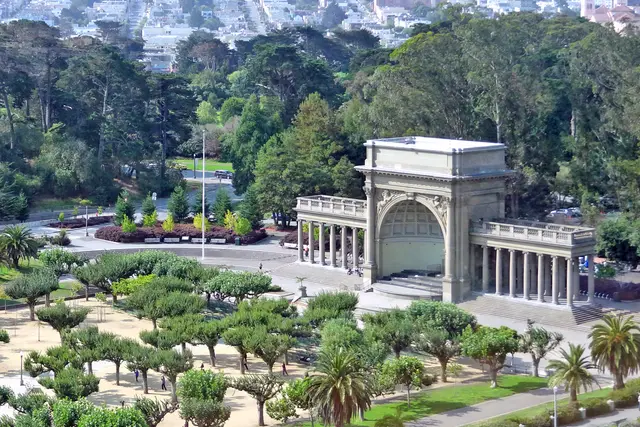
 Golden Gate Park: San Francisco Travel Guide (4.8★)
 attraction
 Alcatraz Island: San Francisco Travel Guide
 attraction