Shanxi Museum: Taiyuan Travel Guide
✓ Facts verified via Google Places · Aug 2, 2026
At a glance
Opening hours
- Monday: Closed
- Tuesday: 9:00 AM – 5:00 PM
- Wednesday: 9:00 AM – 5:00 PM
- Thursday: 9:00 AM – 5:00 PM
- Friday: 9:00 AM – 5:00 PM
- Saturday: 9:00 AM – 5:00 PM
- Sunday: 9:00 AM – 5:00 PM
How this guide is made
Produced with AI assistance and reviewed against live data sources. Facts such as hours, ratings, and location come from Google Places; images are licensed or public domain. Details can change — please verify before visiting. Editorial policy
Why go
Most travelers passing through Shanxi head straight for Pingyao’s old city walls or the hanging monasteries further north, and Taiyuan itself gets treated as a transit stop. That’s a mistake, because the provincial capital holds one of the most underrated collections in China: bronze ritual vessels pulled from Shanxi’s own Bronze Age tombs, Buddhist statuary carved from local sandstone, and painted tomb murals that rarely get the attention they deserve.
Shanxi Museum organizes all of it into a building shaped like a Chinese ding, the ancient three- or four-legged bronze cauldron that anchors the whole collection, and the effect is a museum that feels purpose-built around its own best objects rather than a generic container for them.
Getting there
The museum sits on Bin He Xi Lu, the road tracing the west bank of the Fen River in Wanbolin District. The riverside setting matters: the building faces the water, and the plaza in front gives you a clean, uncluttered view of the ding-shaped silhouette before you even go inside. Taxis and ride-hailing apps are the simplest way in from central Taiyuan or the high-speed rail station, and drivers in the city know the museum by name.
If you’re already exploring the riverfront parks that line both banks of the Fen, you can simply walk over. It’s a natural stop to fold into an afternoon along the river.
What to see inside
The permanent galleries move roughly chronologically, starting with prehistoric pottery and moving through the Shang and Zhou bronzes that are the collection’s backbone. Look for the ritual wine and food vessels excavated from tombs within the province, still bearing the taotie animal-mask motifs cast into the bronze itself. From there the museum shifts into Buddhist sculpture, with stone and gilded figures that trace how Buddhist art evolved as it moved through Shanxi’s cave-temple sites over centuries.
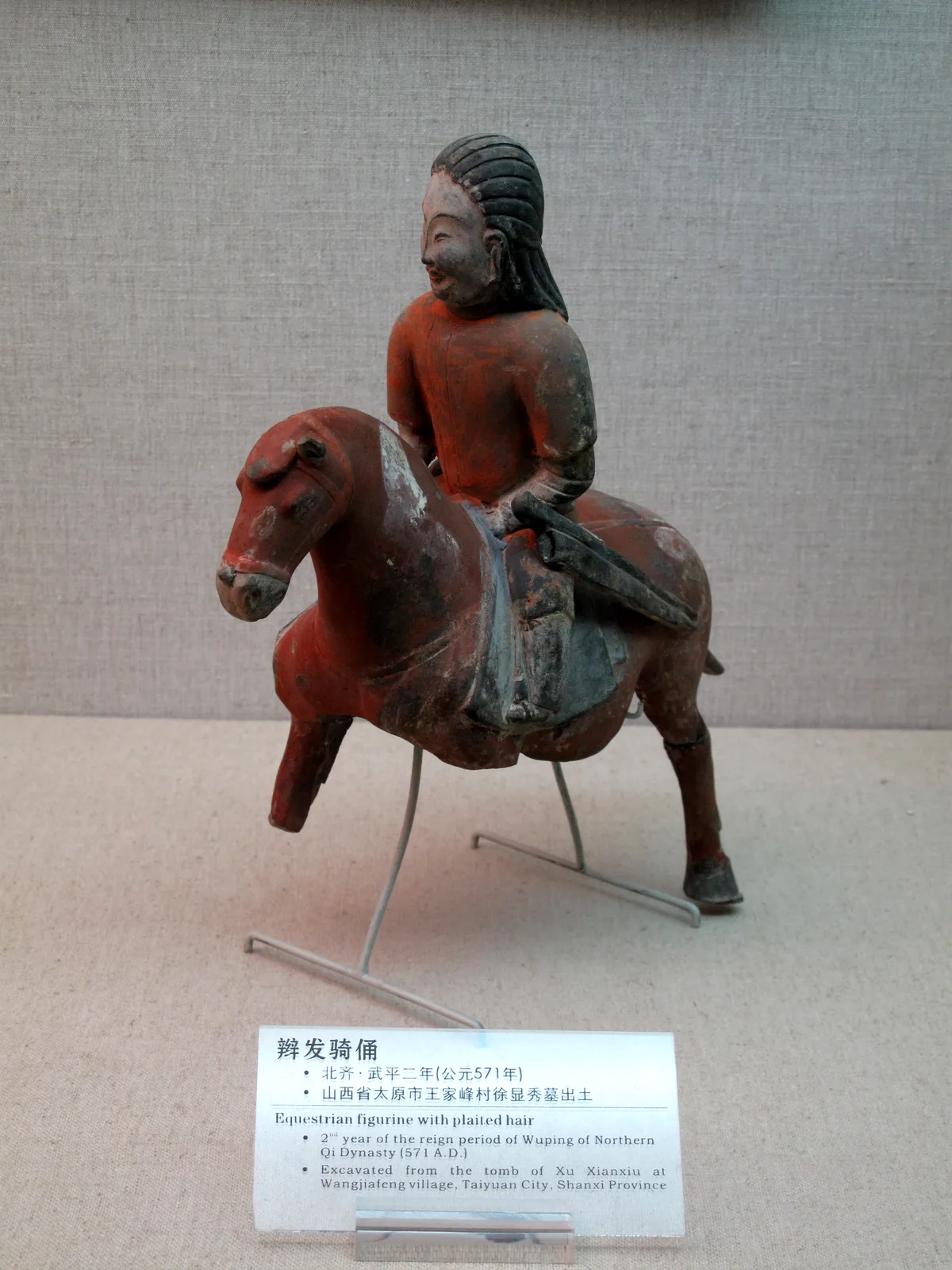
A gallery of painted and glazed ceramics, and another devoted to tomb murals and figurines, round out the core visit. None of the halls are huge, which is part of the appeal. You can read the labels, actually look at the objects, and not feel herded through on a fixed loop.
When to go
The museum is closed Mondays, a schedule worth double-checking before you plan around it, and open Tuesday through Sunday from 9am to 5pm. Because it’s still under the radar compared to Shanxi’s headline attractions, you don’t need to time your visit around crowd surges the way you would at, say, the Terracotta Army. Weekday mornings shortly after opening are the calmest stretch, when school groups haven’t arrived and weekend sightseers are still visiting elsewhere.
Plan for two to three hours inside; if you want to also stroll the riverside promenade or continue on to other Fen River sights afterward, arriving right at 9am gives you the most flexibility before the museum closes at 5.
How to visit like a local
Because this museum hasn’t been swept up into the standard tour-bus circuit the way Pingyao or the Yungang Grottoes have, you can treat it the way a Taiyuan resident might: a quiet, unhurried afternoon activity rather than a box to tick. Locals visiting tend to go on weekday mornings or right after work resumes on weekdays, avoiding the museum on the rare occasions a temporary exhibition draws a local crowd.
Entry to state-run museums like this one in China is typically free or very low-cost, but you’ll want to confirm current ticketing on arrival, since some require you to reserve a timed slot online or at a counter using ID. Bring your passport, as it’s the standard form of identification requested at ticket counters and security checks across Chinese museums.
Photography without flash is usually fine in the permanent galleries; flash and tripods are the two things that reliably draw a polite correction from staff, so keep flash off near the painted murals and glazed ceramics in particular. There’s no tipping expected anywhere in the building. The most common mistake visitors make is rushing the bronze hall to get to the “highlights”, slow down here specifically, since this is genuinely one of the deepest bronze collections tied to a single province anywhere in China, and the taotie motifs reward a close, patient look rather than a glance in passing.
Frequently asked questions
How much time should I set aside for Shanxi Museum?
Plan on two to three hours to see the bronze, Buddhist sculpture, ceramics, and tomb mural galleries at a comfortable pace without rushing.
What are the opening hours?
Tuesday through Sunday, 9:00 AM to 5:00 PM. The museum is closed all day Monday.
When is the quietest time to visit?
Weekday mornings soon after the 9am opening tend to be calmest, since the museum is still relatively under-the-radar and doesn't see the tour-bus crowds of Shanxi's other big sights.
How do I get to the museum from central Taiyuan?
It's on Bin He Xi Lu on the west bank of the Fen River in Wanbolin District — a short taxi or ride-hailing trip from the city center or the high-speed rail station, or a walk if you're already along the riverside parks.
Do I need to book tickets in advance?
Check current ticketing policy before you go, as many Chinese state museums require ID (passport for foreign visitors) at entry and sometimes an online reservation for a timed slot.
Plan your trip to Taiyuan
Some links above are affiliate links — if you book through them, Wander Atlas earns a small commission at no extra cost to you. It's how we keep every guide free.