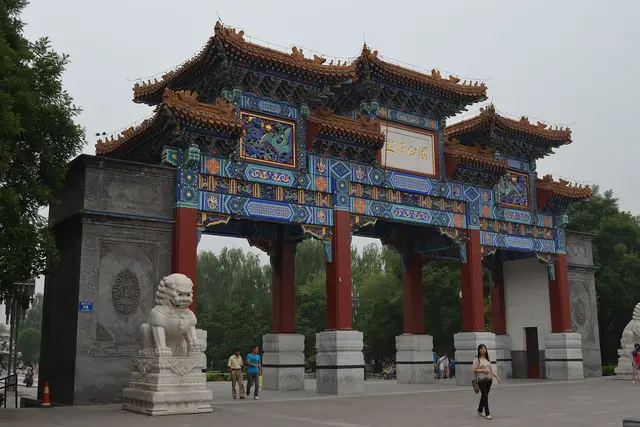
You come to Jinci for a tree and a spring, and you leave having walked through three thousand years of Chinese architectural history without really noticing the transition. That’s the strange trick of this place: it doesn’t announce its age with velvet ropes and placards every ten steps. Instead you find it in the lean of a cypress trunk, the worn stone of a bridge, the way light falls through carved lattice windows onto painted beams that have not been touched up in decades.
The complex sits at the foot of Xuanweng Mountain in Jinyuan District, a fair distance southwest of central Taiyuan, and was originally built to honor Tang Shuyu, a Zhou-dynasty prince credited with founding the state that became Shanxi. What survives today is largely Song and Ming in construction, layered over far older origins, which is why Jinci reads less like a single monument and more like a walk through accumulated centuries.
Why go
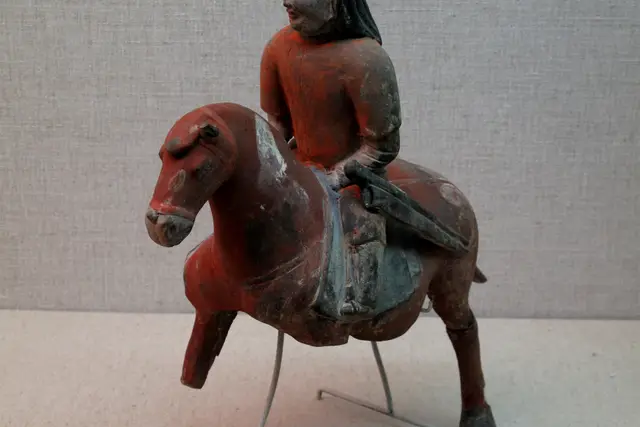
The headline attraction is the Shengmu Hall (Hall of the Holy Mother), a Northern Song structure from 1023 CE, one of the oldest wooden buildings still standing in China. Its roof curves upward with a lightness that later, heavier Ming and Qing halls lost, and inside are Song-dynasty painted clay statues of court attendants, startlingly expressive faces and postures that art historians still study for their realism.
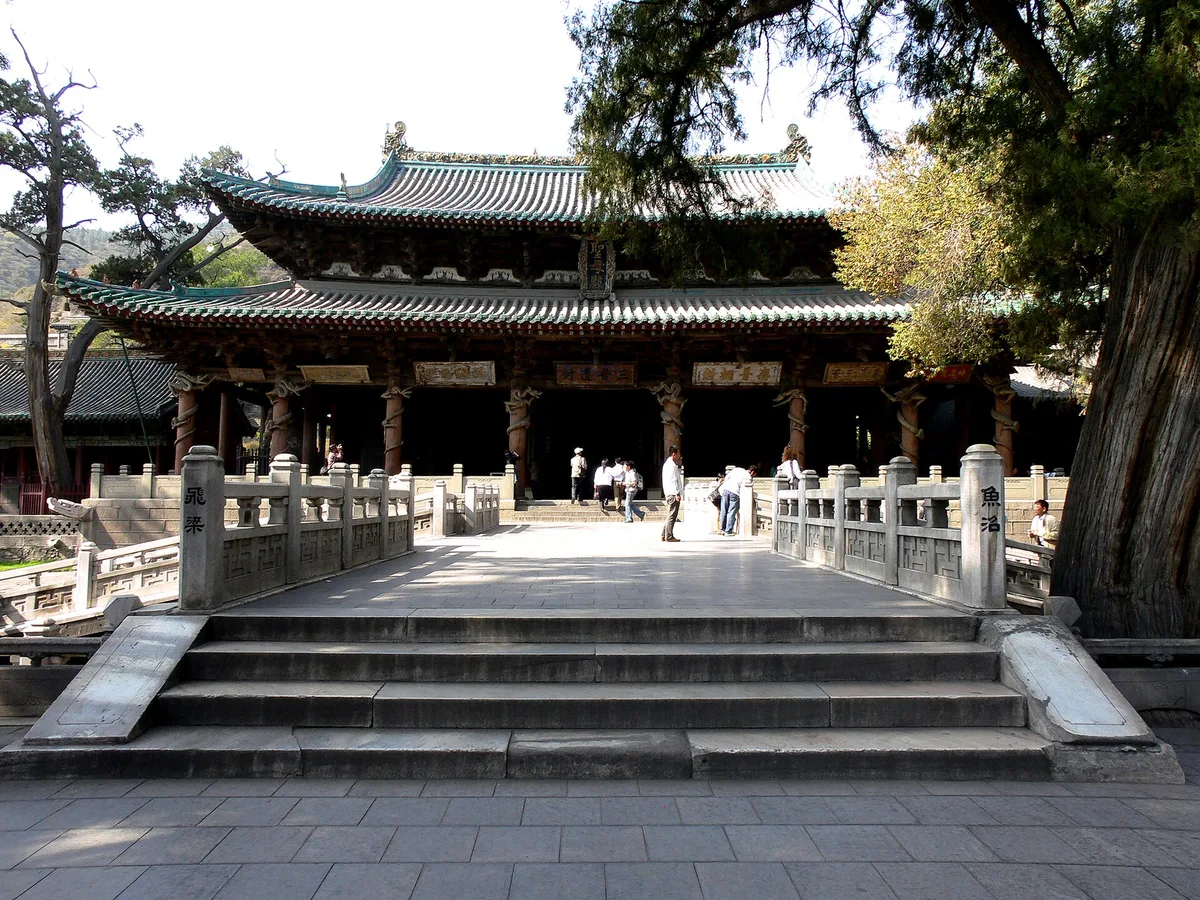
In front of the hall stands the reason many people first heard of Jinci at all: a cypress tree estimated at roughly 3,000 years old, growing at a dramatic slant, propped in places, and still very much alive. Nearby, the Never-Aging Spring has fed the site for centuries and gives the complex its watery, garden-like character, ponds, a crisscrossing “Fish Pond Flying Bridge” (a cruciform bridge design unique in Chinese architecture), and channels that once irrigated the surrounding farmland.
Getting there
Jinci lies in Jinyuan District, roughly 25 km southwest of downtown Taiyuan. Expect a 45-minute to hour-long taxi or rideshare ride from the city center or from Taiyuan South Railway Station. Public buses run from central Taiyuan toward Jinci Park; ask your hotel to confirm the current route number, since city bus lines get renumbered periodically. If you’re driving or in a taxi, the site address resolves clearly to Jinyuan District on any Chinese map app (Baidu Maps or Amap work more reliably here than Google Maps).
What to see and do
Beyond Shengmu Hall and the ancient cypress, budget time for the Water Mirror Terrace, an open-air Ming-dynasty opera stage facing the main hall, and for wandering the quieter side courtyards where local retirees sometimes practice tai chi or calligraphy with water brushes on the paving stones. The Zhusheng Temple and the Confucius Temple annex are easy to miss but worth a detour if you enjoy quieter, less-restored corners. Plan for two to three hours minimum; history-minded visitors could easily spend half a day.
When to go
Spring and autumn are the most comfortable seasons, summer in Shanxi’s Fen River valley gets hot and hazy, while winter is dry and cold but often clear, which suits the site’s stone and timber palette well. Because Jinci remains under-the-radar relative to China’s headline temple sites, a weekday morning after opening is usually enough to avoid the modest crowds it does draw, mostly domestic tour groups arriving by mid-morning.
How to visit like a local
Buy your ticket at the gate rather than through a third-party app, pricing and hours shift seasonally, so confirm both before you set out. Cash and mobile payment (WeChat Pay/Alipay) are both accepted at the entrance and inside for snacks or tea. There’s no need to book ahead; this isn’t a timed-entry attraction. Wear shoes good for uneven stone paving, since the paths between halls are original stonework, not smoothed-over concrete.
The mistake most visitors make is rushing straight to Shengmu Hall and the cypress, then leaving, instead, follow the water channels out to the smaller side courtyards, where the crowds thin to almost nobody and you get a better sense of Jinci as a working temple-garden rather than a single photo-op monument. If you read Chinese, ask for a site map at the entrance; many of the smaller halls have minimal English signage.
Frequently asked questions
How do I get to Jinci from central Taiyuan?
It's about 25 km southwest of downtown Taiyuan, roughly a 45-minute to hour-long taxi or rideshare ride, or you can take a local bus toward Jinci Park (confirm the current route with your hotel, as numbers change).
How long should I spend at Jinci?
Plan on two to three hours to see the main halls, the ancient cypress, and the spring gardens; history enthusiasts could spend half a day exploring the smaller side courtyards too.
When is the best time to visit?
Spring and autumn offer the most comfortable weather. Since Jinci draws lighter crowds than China's major temple sites, a weekday morning shortly after opening is usually quiet.
What's the most famous thing to see there?
The Song-dynasty Shengmu Hall with its 43 painted clay statues, and the roughly 3,000-year-old leaning cypress tree standing just in front of it.
Do I need to book tickets in advance?
No, Jinci isn't a timed-entry site — buy your ticket at the gate. Just confirm current opening hours and admission price before you go, as these can change seasonally.
Plan your trip to Taiyuan
China eSIM & staying connected →
Some links above are affiliate links — if you book through them, Wander Atlas earns a small commission at no extra cost to you. It's how we keep every guide free.