Red clay where the city meets the river
Tigre sits where Buenos Aires runs out. The suburbs give way to brown river channels, rowing clubs and wooden launches heading into the islands of the Paraná Delta. Once a year, crushed red clay and men’s professional tennis join them.
The Challenger de Tigre belongs to the ATP Challenger Tour. This is the level just below the main tour, where players fight for ranking points to reach Grand Slam qualifying. It plays on clay, the surface Argentine tennis grew up on. That means long rallies, sliding footwork and orange dust on every sock by the third set.
When the 2027 week falls
The 2027 edition runs in late February to early March. The tournament traditionally sits in late February. That timing puts it inside South America’s summer clay swing, the stretch that also brings the ATP Tour’s Argentina Open to Buenos Aires.
Challenger weeks usually follow a familiar pattern:
- Opening days: qualifying matches, often on several courts at once
- Midweek: first and second rounds of the main draw, plus doubles
- Weekend: semi-finals and the finals
The ATP Tour’s website carries the Challenger calendar, and it is the usual home of each tournament’s draws and order of play.
Tickets, the venue and the feel of a Challenger day
Ticket arrangements and the host club belong to the tournament organisers. This guide does not name a price or a venue it cannot stand behind. What any Challenger offers is scale. Courts are small, stands sit close to the baseline, and you hear every grunt, line call and racket string.
Early rounds feel loose. Fans drift between courts and watch a set here and a tiebreak there. By the weekend, the crowd gathers around one show court for the semi-finals and finals.
Late February in greater Buenos Aires means full summer. Days are usually hot and humid, and the sun on outdoor stands is fierce by midday. Regulars tend to bring:
- A hat and sunscreen
- A refillable water bottle
- A light layer for evening matches near the river
Summer storms are common in this region. Clay needs time to drain and be swept and lined again, so a heavy shower can push the schedule back by hours.
Courtside manners in Tigre
Tennis etiquette here is the same as anywhere, but the small stands make every lapse obvious. Spectators move only at changeovers, every odd game, and stay seated while a point is in play. Phones go on silent, and flash photography is a quick way to get a glare from a player three metres away.
Argentine crowds are warmer and louder than most tennis audiences. Expect chants of support for local players between points, though people go quiet once the server bounces the ball. Clapping a good shot from either player is normal. Clapping an opponent’s double fault is not.
On payment, Argentines use cash in pesos alongside cards. QR-code payments through apps such as Mercado Pago are also common at food stalls and cafés. In sit-down restaurants in town, leaving about 10% in cash is the usual custom.
Getting to Tigre from Buenos Aires
Tigre is about 30 kilometres north of central Buenos Aires. There are two classic rail routes:
- Mitre line (Tren Mitre): runs from Retiro station to Tigre station in a little under an hour. It is the most direct option.
- Tren de la Costa: a slower, scenic line along the Río de la Plata. You change from the Mitre line at Maipú and ride to Delta station in Tigre.
Both stations are a short walk from the riverfront and the Estación Fluvial, where river buses leave for the islands. Taxis and ride-hailing apps cover the last stretch from the station to any club in town. Many fans base themselves in Buenos Aires and treat each match day as a day trip.
Between matches on the delta
Tigre gives you plenty to fill a rain delay or a morning before the afternoon session. Spots close to the river include:
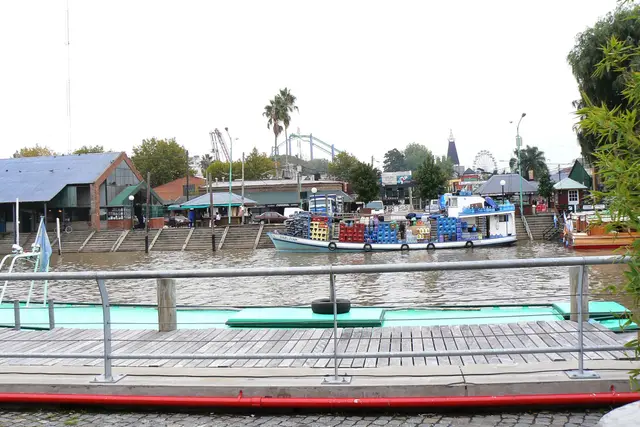
- Puerto de Frutos: a riverside market of wicker furniture, crafts and food stalls along the canal
- Paseo Victorica: the tree-lined promenade along the Río Luján, past rowing clubs and parrillas with outdoor tables
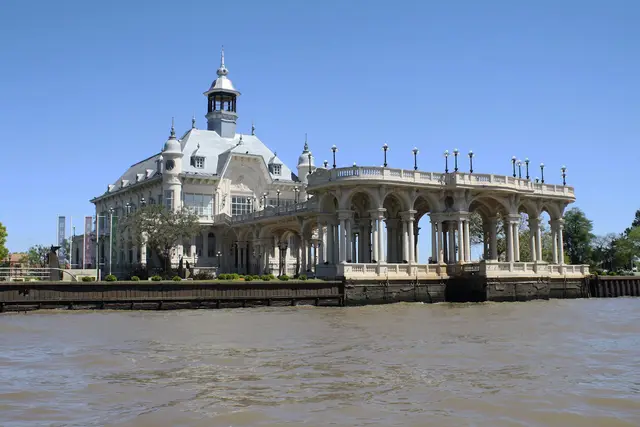
- Museo de Arte Tigre: Argentine art inside the former Tigre Club, a grand Belle Époque building from the early 1900s
For a longer break, the lanchas colectivas (shared river buses) from the Estación Fluvial run deep into the delta. Houses on stilts and private jetties line the water. A loop out and back fits neatly into a day with no match you need to see.
Frequently asked questions
When is the Challenger de Tigre in 2027?
The 2027 edition takes place in late February to early March. The tournament traditionally sits in late February, and the ATP Tour's Challenger calendar carries the tournament week.
How do I get to Tigre from Buenos Aires for the tournament?
Take the Mitre line from Retiro station to Tigre station, a ride of a little under an hour. For a slower, scenic route, change at Maipú to the Tren de la Costa and ride to Delta station. A taxi or ride-hailing app covers the last stretch to the courts.
What surface is it played on, and what level of tennis is it?
It is played on outdoor clay. The ATP Challenger Tour is the level just below the main ATP Tour, where players compete for ranking points and a path into bigger events.
What is the weather like during the tournament?
Late February is high summer in the Buenos Aires region, usually hot and humid with strong midday sun. Summer storms can hold up play on clay while the courts are dried and swept.
What else is there to do in Tigre between matches?
Puerto de Frutos market, the Paseo Victorica riverside promenade and the Museo de Arte Tigre are all close to the river. River buses from the Estación Fluvial head into the islands of the Paraná Delta.
Plan your trip to Tigre
Argentina eSIM & staying connected →
Some links above are affiliate links — if you book through them, Wander Atlas earns a small commission at no extra cost to you. It's how we keep every guide free.