Purple rows on Morris Road
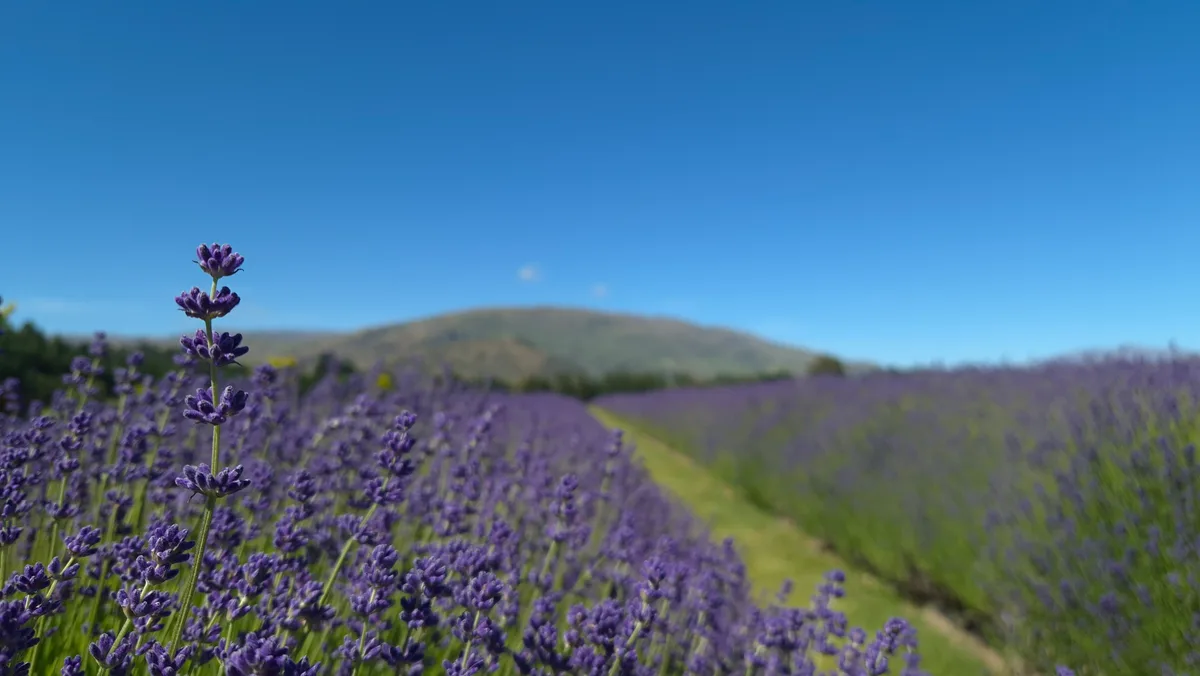
Wānaka’s lake gets most of the attention. Out on Morris Road, a few minutes’ drive from town, the land opens into paddocks and long, clipped rows of lavender. The rows run in straight lines across the farm, with the mountains around Wanaka rising behind them.
This is a rural complex rather than a single field. There are landscaped gardens to wander and alpacas in their paddocks. A café and a shop stocked with lavender oil, honey and soaps complete it. It is one of the better-known stops around Wanaka and consistently well rated by the thousands of visitors who review it, so expect company.
Getting out to Morris Road
You will want wheels. The farm sits at 36 Morris Road, on the farmland side of Wanaka, a short drive from the lakefront and the main shopping streets. Put the street address into your map app rather than searching the farm’s name alone, because rural roads around here can confuse sat-navs.
From Queenstown, the drive takes roughly an hour over the Crown Range Road. That road is New Zealand’s highest main sealed road, and it can be icy in winter. Coming from Cromwell or the north, you approach through Luggate on State Highway 6.
Cycling out from town is possible if you’re comfortable on country roads. Most visitors drive.
Bloom season: when the rows turn purple
Lavender is a summer show. In Central Otago the plants generally flower from around December into February, and January is usually the peak. That’s when the rows go fully purple and bees work the flower heads. Harvest follows the bloom, so late-season visits can mean some rows have already been cut.
Outside summer, the rows are grey-green mounds. That isn’t a wasted trip. The gardens, the alpacas, the café and the shop are there all year. Just set your expectations if you’re visiting in autumn, winter or early spring. For photos of the colour, aim for midsummer.
Wānaka’s summer light is strong and the sun is harsh at this altitude. Late afternoon gives softer light across the rows, and that happens to be one of the quiet windows too.
Gardens, alpacas and the shop counter
Give yourself an hour to an hour and a half. That covers a slow loop of the rows and gardens, time at the alpaca paddocks, and a stop in the café. Families with young children often stay longer at the animals.
The shop is where most visits end. According to the farm’s own description it stocks:
- lavender oil
- honey
- soaps
These are light and pack well, which makes them practical gifts if you’re flying on. Lavender oil in your carry-on still falls under liquid limits, so check the bottle size before you head to the airport.
Walking the rows without crushing them
Lavender is easy to damage. The plants are woody and a single careless step can snap a bush that took years to grow. Here’s how to visit well:
- Stay on the paths and gaps between rows. Don’t wade into the middle of a row for a photo.
- Don’t pick the flowers. This is a working farm and the crop is the business. Buy dried lavender or products in the shop instead.
- Give the bees room. In bloom season the flowers are full of them. They are rarely aggressive, but watch small children and anyone with an allergy.
- Follow any signs at the alpaca paddocks. Ask staff before you touch or feed the animals.
Paying is easy. Cards and contactless are standard across New Zealand, and tipping isn’t expected at the café counter. Admission details and any charges are set by the farm, so check the official website before you go rather than relying on old blog posts.
Timing your visit around the crowds
The farm is currently open 9am–5pm every day of the week. Gardens and farms often adjust their hours through the year, so check the official site for the month you’re travelling.
Foot-traffic data for the farm shows a clear pattern:
- Weekdays: quietest from 10am–11am and again from 4pm–5pm.
- Weekends: quietest from 10am–12pm and from 4pm–5pm.
- Weekend peak: 12pm–3pm is the busiest stretch. Try not to arrive then if you want clear photos of the rows.
The 4pm–5pm window is the best of both. The crowds have thinned and the light is softer. You still get a full hour before the 5pm close, although the shop and café may wind down a little earlier. For a relaxed visit, arrive by about 3:45pm.
Pairing it with the rest of Wānaka
The farm fits neatly into half a day. On a summer morning, head out at 10am, beat the weekend lunch rush, and be back by the lake by midday.
Close by in town and around it:
- That Wānaka Tree, the lone willow standing in the water near the lakefront at Roys Bay.
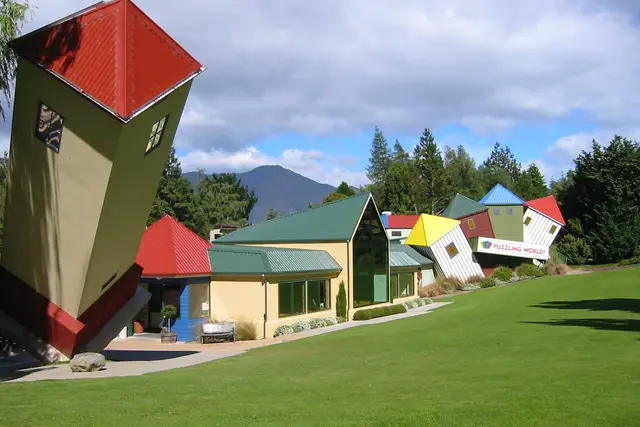
- Puzzling World, the illusion house and maze on the road out towards Luggate.
- Mount Iron, a short summit walk with views over the town and lake.
- Roys Peak, a much longer, steep hike for fit walkers with a full day spare.
If you’re on a road trip through Central Otago, pair the farm with a stop in Cromwell for summer stone fruit. Then carry on over the Crown Range or north towards Haast Pass.
Frequently asked questions
When is the quietest time to visit Wānaka Lavender Farm?
On weekdays it's calmest from 10am–11am and from 4pm–5pm. On weekends the quiet windows are 10am–12pm and 4pm–5pm. Try not to arrive between 12pm and 3pm on weekends, which is the busiest stretch.
When is the lavender in bloom?
Lavender in Central Otago generally flowers from around December into February, and January is usually the peak. Outside summer you can still visit the gardens, alpacas, café and shop, but the rows won't be purple.
How do I get to Wānaka Lavender Farm?
Drive to 36 Morris Road, a few minutes from Wanaka town centre. From Queenstown it's roughly an hour over the Crown Range Road. Use the street address in your map app.
How long should I spend there?
Allow an hour to an hour and a half for the rows, gardens, alpacas, café and shop. Families who spend time with the animals often stay longer.
What are the opening hours?
At the moment it's open 9am–5pm every day. Hours can change through the year, so check the official website for the month you're visiting.
Plan your trip to Wanaka
New Zealand eSIM & staying connected →
Some links above are affiliate links — if you book through them, Wander Atlas earns a small commission at no extra cost to you. It's how we keep every guide free.