Why go
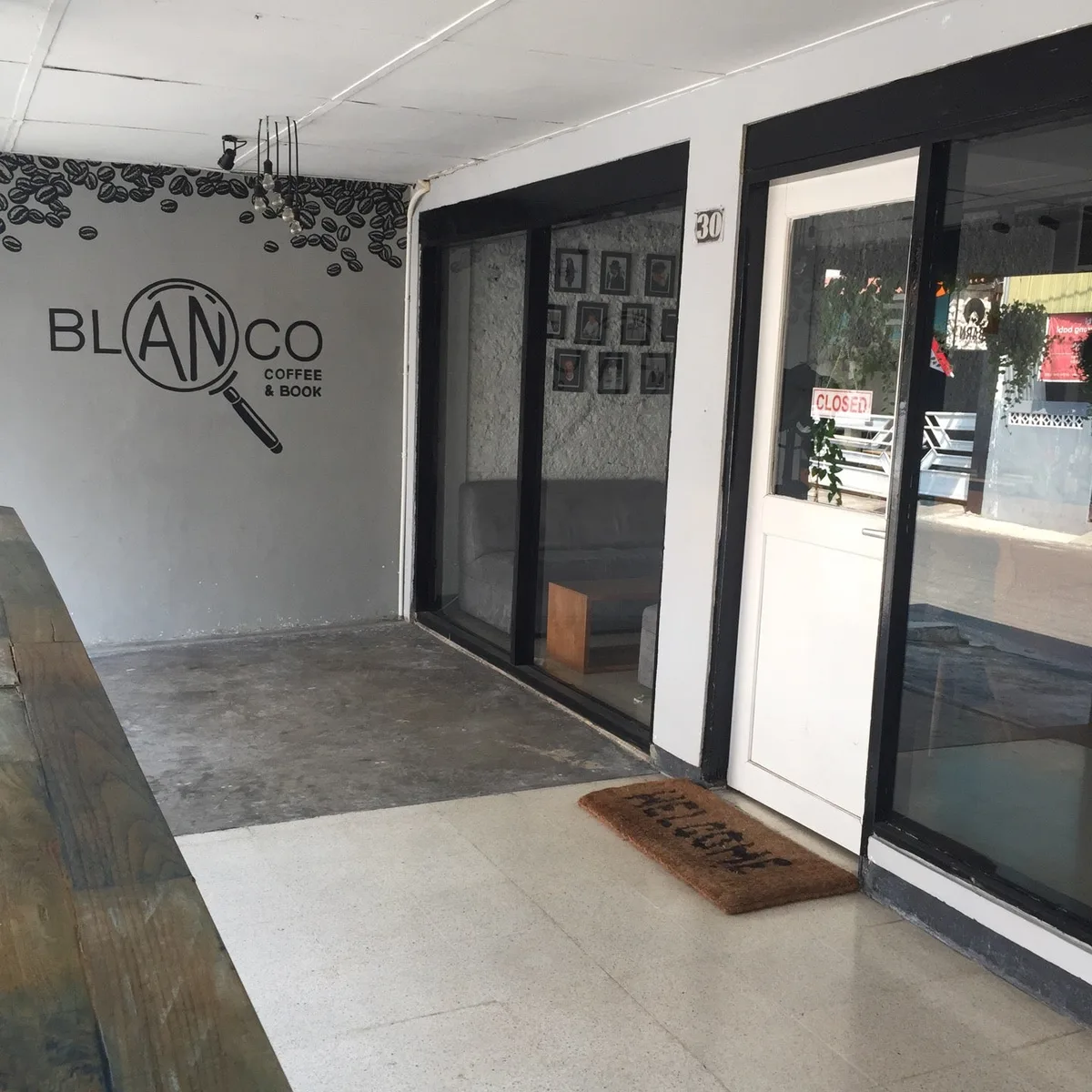
Blanco Coffee And Books has built a loyal following (4.6 stars across more than 4,100 Google reviews) by doing a simple thing well: pairing sustainably and locally sourced Indonesian coffee with a pared-back, book-lined space that feels more like a design studio than a typical Jogja warung-kopi. The editorial line on it (“trendy, pared-back cafe specializing in light fare & sustainable, locally sourced coffee”) is accurate.
Expect exposed concrete, neutral tones, shelves of books for browsing, and a menu built around single-origin pour-overs, espresso drinks, and light bites rather than heavy rice-plate meals. It’s the kind of place suited to a slow morning, a laptop session, or a coffee break between temple- and museum-hopping in the old city.
Getting there
The café sits on Jl. Kranggan No.30, in Cokrodiningratan, Kecamatan Jetis, the neighborhood just north of Yogyakarta’s old fortified core (Kraton area) and close to the base of Jl. Malioboro. The single most useful landmark is Tugu Jogja, the iconic white monument marking the northern end of the Malioboro axis; Blanco is only a short walk from there, making it an easy add-on to a Tugu photo stop or a Malioboro shopping walk.
If you’re coming from Malioboro or the Kraton, a 10–15 minute becak, ojek, or Grab/Gojek ride north along Jl. Margo Utomo (which becomes Jl. Diponegoro/Jl. AM Sangaji corridor) gets you close; ride-hailing apps are the simplest way to pinpoint the exact address since Jl. Kranggan is a smaller residential street. Jetis is also walkable from Yogyakarta’s Tugu train station, roughly 1–2 km away, so travelers arriving by train can stop here before checking into a hotel.
What to see / eat
The draw is the coffee program: expect single-origin beans sourced from Indonesian growing regions (Java, Sumatra, or Flores are common origins country-wide), with both manual brew and espresso-based options. Light fare typically runs to toast, pastries, and simple brunch plates rather than full Indonesian meals. This is a café for snacking and lingering, not a place to fill up on gudeg or nasi rames.
The books-and-shelves layout invites browsing, and the minimalist interior (think muted colors, wood and concrete textures, big windows) makes it a favorite backdrop for photos, which partly explains its heavy review volume. Give it 45 minutes for a quick coffee or up to 90 minutes if you’re settling in with a book or a laptop.
When to go
Weekday mornings (opening through around 10am) tend to be the calmest window, before the café fills with students, remote workers, and visitors stopping between Tugu and Malioboro. Weekends and late afternoons get noticeably busier, and seating is limited in a space this pared-back, so arriving right at opening or in the mid-afternoon lull (2–4pm) improves your odds of a table. Because it’s a well-known stop rather than a niche find, expect a mix of local regulars and travelers throughout the week. Don’t count on having the place to yourself.
How to visit like a local
Order at the counter rather than waiting for table service. This is standard café etiquette in Jogja’s newer-wave coffee shops. Payment is typically accepted by cash (Indonesian rupiah) and increasingly by QRIS mobile payment or card, so having a QRIS-linked e-wallet ready speeds things up if you have one; tipping isn’t expected but rounding up is appreciated. If you’re visiting solo to read or work, order first and keep your stay proportional to what you’ve bought, since seating turns over quickly during busy hours.
The most common mistake visitors make is treating it as a full-meal stop, come with modest expectations for food (light bites, not heavy Javanese dishes) and you won’t be disappointed. Since it draws a genuinely busy, well-known crowd rather than being an under-the-radar spot, the real “local” move is timing your visit for the quieter morning window and being ready to share the space rather than expecting solitude.
Nearby to pair with your visit
Combine Blanco with a walk to Tugu Jogja monument, a stroll down Jl. Malioboro for shopping and street food, or a visit to Yogyakarta’s Tugu train station if you’re catching a train onward. The Kraton (Sultan’s Palace) and Taman Sari water castle are a further but still reasonable becak or rideshare trip south, making Jetis a sensible coffee stop at the start or end of a full day exploring the old city.
Frequently asked questions
How do I get to Blanco Coffee And Books?
It's on Jl. Kranggan No.30 in Jetis, a short walk from the Tugu Jogja monument at the north end of Malioboro. Easiest access is by Grab/Gojek rideshare, becak, or a 10–15 minute ride from Malioboro or a 15–20 minute walk from Tugu train station.
How much should I budget for a visit?
It's a mid-range café (price level 2 of 4), so expect a moderate bill for coffee plus a light bite — similar to other specialty coffee shops in Jogja rather than warung prices. Confirm current menu prices on-site since they can change.
What's the best time to visit to avoid crowds?
Weekday mornings shortly after opening or the mid-afternoon lull (around 2–4pm) tend to be calmest. Weekends and early evenings are busiest, especially with laptop users and photo-seekers.
How long should I plan to stay?
A quick coffee takes about 30–45 minutes; if you want to browse the books or work, plan for 60–90 minutes given limited seating during peak hours.
What else is nearby that I can combine with this stop?
Tugu Jogja monument, Jl. Malioboro's shops and street food stalls, and Tugu train station are all within easy walking or short rideshare distance, making Jetis a convenient coffee break before or after exploring the old city.
Plan your trip to Yogyakarta
Indonesia eSIM & staying connected →
Some links above are affiliate links — if you book through them, Wander Atlas earns a small commission at no extra cost to you. It's how we keep every guide free.
Related guides
 attraction
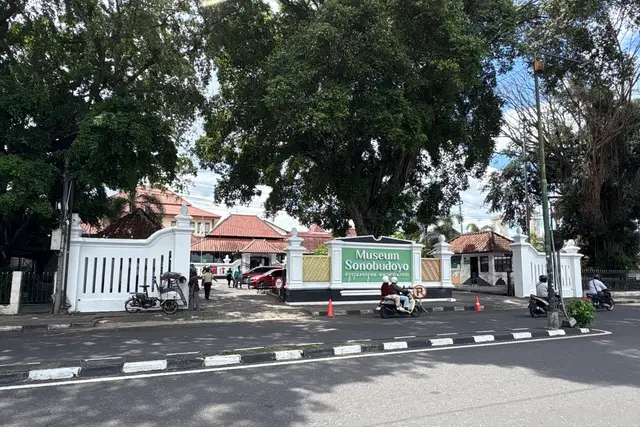
 Museum Sonobudoyo Unit I: Yogyakarta Travel Guide (4.8★)
 hidden gem
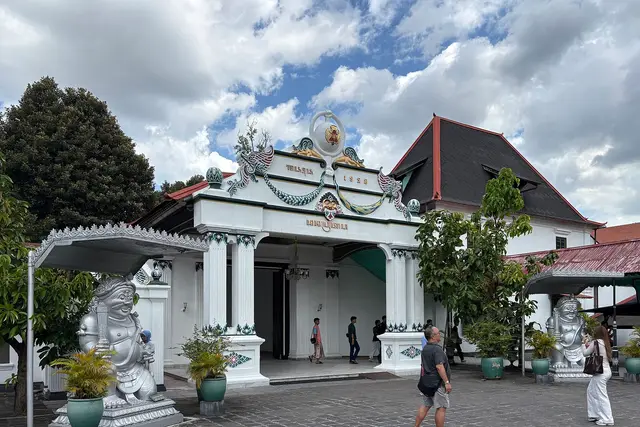
 Keraton Ngayogyakarta Hadiningrat: Yogyakarta Travel Guide
 attraction
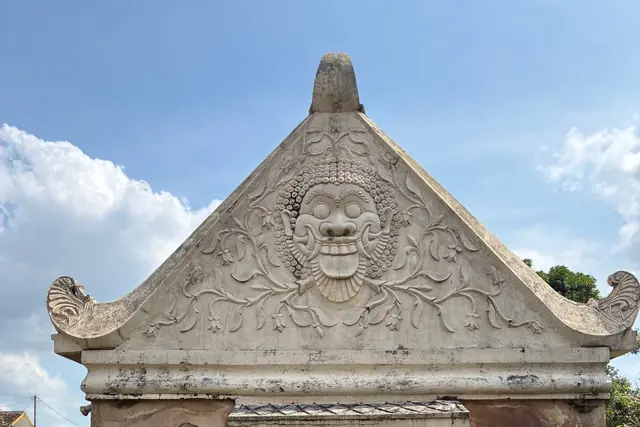
 Taman Sari Tourist Village: Yogyakarta Travel Guide
 attraction