
A balcony over the Yogyakarta plain
HeHa Sky View is built for looking outward. It stands on the hills along Jl. Dlingo-Patuk in Gunungkidul regency, where the land climbs steeply out of the flat Yogyakarta basin. It has three floors of terraces holding a rooftop restaurant, a café and a run of street food stalls. Every level faces west, over the plain and the countryside below.
It is one of the most-reviewed attractions in the Yogyakarta region and is consistently well rated. Expect plenty of company: families, student groups and couples come for the photo decks and the view as much as the food. Treat it as an outing with a meal attached rather than a destination restaurant.
Timing the light
The schedule shapes the visit. At the moment, opening hours are:
- Monday–Friday: 10am–9pm
- Saturday–Sunday: 8am–9pm
The popular plan is to arrive in late afternoon, eat as the sun drops behind the plain, then stay as Yogyakarta’s lights come on. That puts you there at the same time as most other visitors. Weekend mornings from 8am are the alternative, with cooler air and a softer, hazier view.
Weather matters more than the clock here. In the dry season, roughly May to September, skies are usually clearest. From November to March, afternoon storms often roll in and can hide the city completely. Allow two to three hours, including a meal.

The drive up to Patuk
No train or regular bus gets you to the gate. Most visitors use one of these:
- Ride-hailing app (Grab or Gojek): easy to book from the city centre.
- Hired car with driver: the simplest option for an evening visit.
- Rented scooter: only if you are confident on steep, winding roads after dark.
The usual route runs east out of the city on Jl. Wonosari, climbing past the Bukit Bintang roadside viewpoints, then turns off toward Dlingo. It’s a good pairing with other Patuk and Dlingo stops on the same day:
- Gunung Api Purba Nglanggeran, the ancient volcano hike, also in Patuk.
- Hutan Pinus Mangunan, the pine forest in Dlingo.
- Kebun Buah Mangunan, known for its views over the misty valley in the early morning.
Do the outdoor sights first and finish at HeHa for the evening.
Ordering, paying and getting back down
Inside, you walk between the stalls and counters and order at each one, the way you would at a food court. Pick a terrace table before you queue, especially near sunset, when the railings fill fast. Look at the menu boards before you go up a floor, because each level is different.
Entry and menu prices are posted at the gate and on HeHa’s official channels, so check them there. Paying at the counter with QRIS (Indonesia’s shared QR payment code) is normal and works with most local e-wallets. Rupiah cash is still worth carrying for smaller stalls. Tipping isn’t expected.
Getting back is where visits go wrong. An app ride up the hill is easy to get. An app ride down after dark from a ridge in Gunungkidul is much less reliable. Either ask your driver to wait, or agree a return pickup time before you leave the city.
Frequently asked questions
How far is HeHa Sky View from central Yogyakarta?
It is in Patuk, Gunungkidul, on the hills east of the city. Coming out on Jl. Wonosari, the drive usually takes around an hour, depending on traffic.
What are the opening hours?
At the moment it opens 10am–9pm Monday to Friday and 8am–9pm on Saturday and Sunday. Hours can change, so check before you go.
When is the best time to visit for views?
Come in late afternoon to see the plain in daylight, then the city lights after sunset. The dry season, roughly May to September, gives the clearest skies. Weekend mornings from 8am are a cooler, calmer alternative.
How long should I spend there?
Two to three hours is enough to eat, walk the three floors and wait for the lights to come on.
What else is nearby?
Gunung Api Purba Nglanggeran in Patuk, plus Hutan Pinus Mangunan and Kebun Buah Mangunan in Dlingo. The Bukit Bintang viewpoints are on the road up from the city.
Plan your trip to Yogyakarta
Indonesia eSIM & staying connected →
Some links above are affiliate links — if you book through them, Wander Atlas earns a small commission at no extra cost to you. It's how we keep every guide free.
Related guides
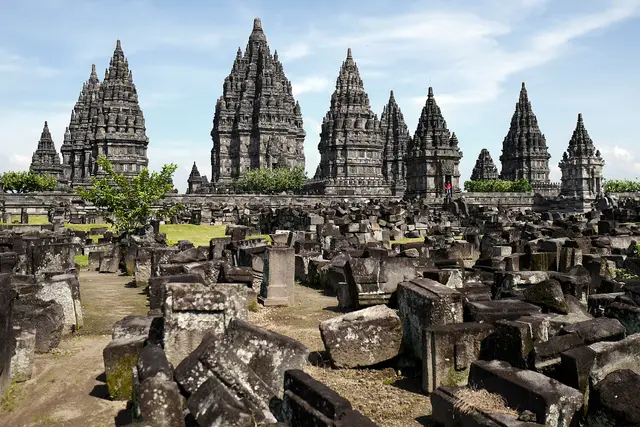 attraction
Prambanan Temple: Yogyakarta Travel Guide (4.7★)
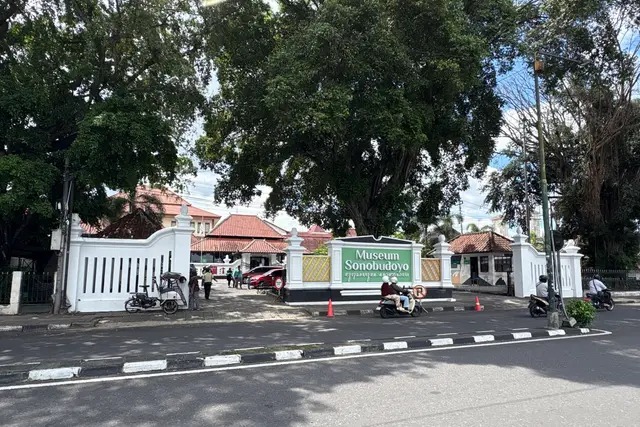 attraction
Museum Sonobudoyo Unit I: Yogyakarta Travel Guide (4.8★)
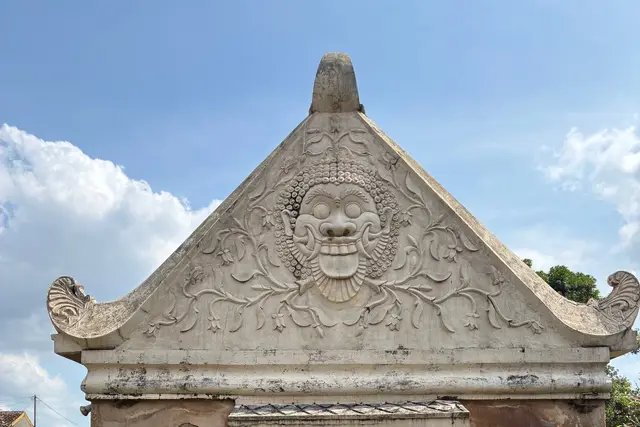 attraction
Taman Sari Tourist Village: Yogyakarta Travel Guide
 hidden gem