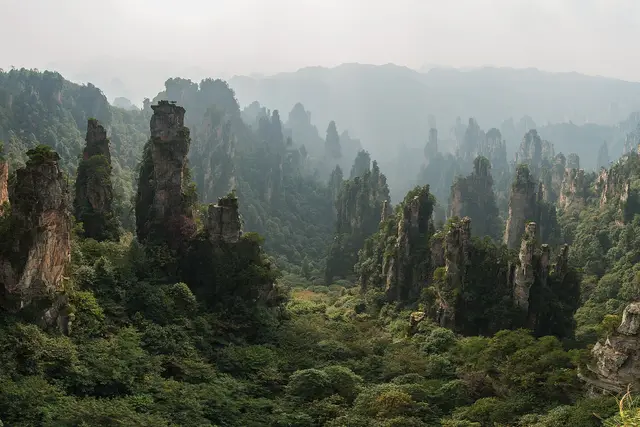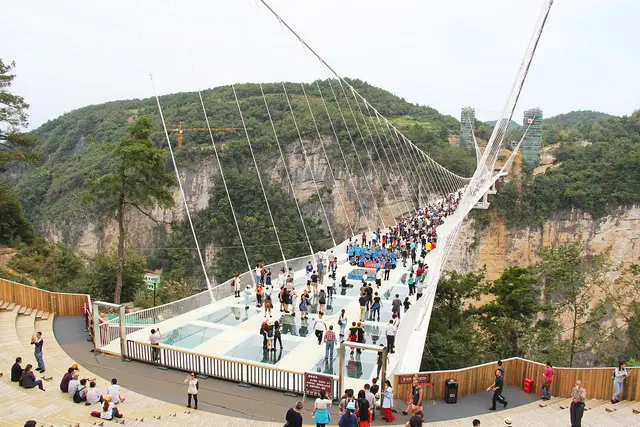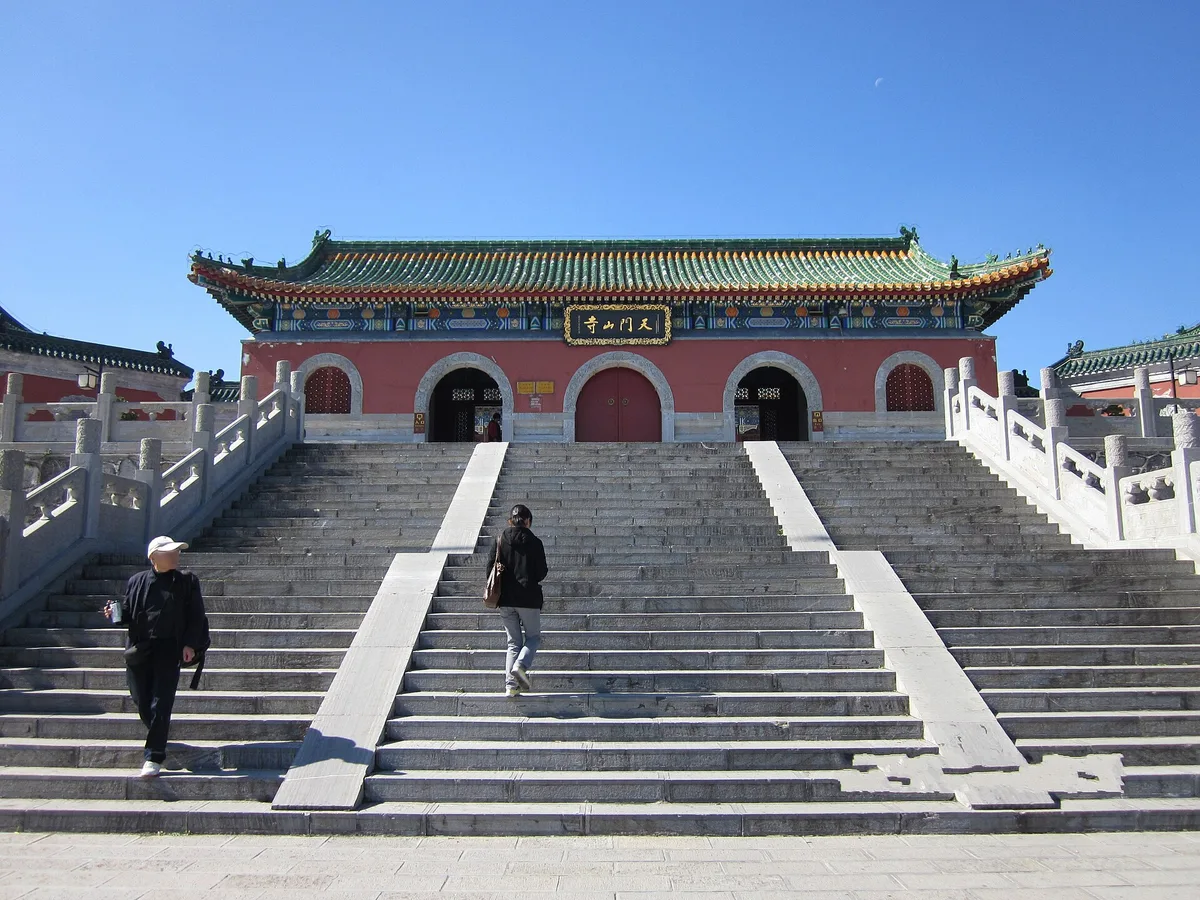
The temple stands on the plateau of Tianmen Mountain, past the crowds photographing the natural arch at Heaven’s Gate, in a spot most visitors walk right by on their way to the cliff walkways. That’s the first thing worth knowing: this isn’t the mountain’s headline attraction, so it keeps a calmer pace than almost everywhere else on the summit.
Finding it on the mountain
Tianmenshan Temple sits near the top of the cable car route, on the same plateau as the Cliff-Hanging Walkway and the Heaven’s Gate cave. Most people ride the Tianmen Mountain cable car up from Zhangjiajie city, or take the shuttle bus and the 999-step staircase through the cave itself.
Once you’re on top, signs point toward the temple along the walking paths that loop the plateau. It’s a flat, easy stretch after the climb, not a separate trek.
What’s actually there
The current temple is a rebuilt structure on a site with a long history of Buddhist worship tied to the mountain, which locals have treated as sacred for centuries because of the natural rock arch below. Inside are incense burners, a main hall with seated Buddha figures, and smaller shrine rooms where visitors light incense and bow.
It’s modest in scale compared to famous temple complexes elsewhere in China. That’s part of the appeal: you can walk the whole grounds in well under an hour and still take it in properly.
- Main hall with central Buddha statue
- Incense burners out front, usually with a small mound of ash and stubs
- Side halls with smaller shrines
- Open courtyard with views back toward the plateau’s cliff edges
How to visit like a local
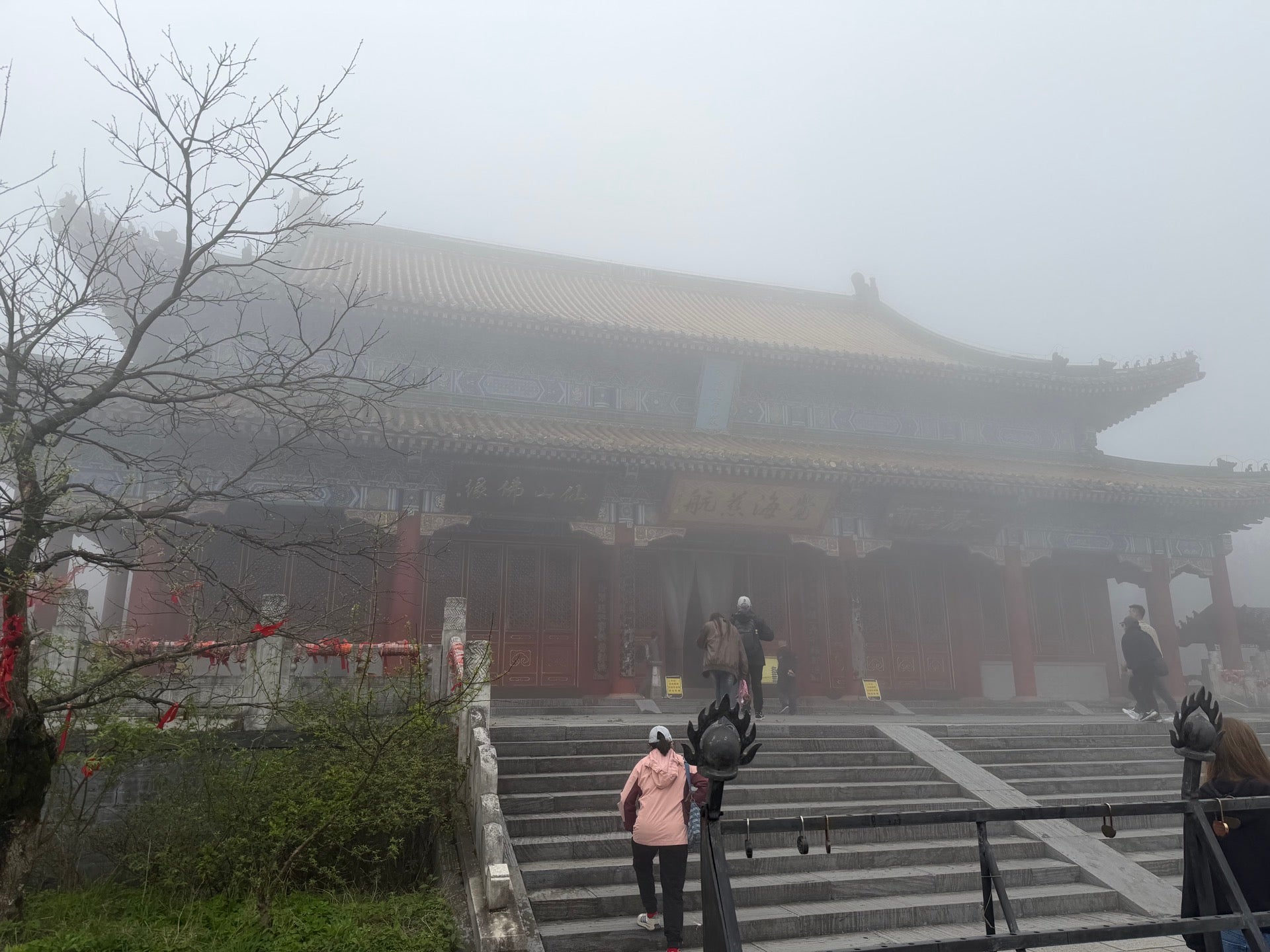
Buy or bring your own incense if you want to make an offering; small bundles are sold near temple entrances like this one, and the custom is three sticks, lit, held with both hands, with a bow at each of three directions before placing them in the burner. Nobody will stop you from just looking, but stepping quietly and not photographing people mid-prayer is the basic courtesy expected at any active temple in China.
Cash or a mobile wallet covers any small purchases at the incense stalls; card readers are unreliable at this altitude. There’s no formal ticket booth for the temple itself, since entry is covered by your Tianmen Mountain admission.
Given its under-the-radar status among the mountain’s attractions, you can often have a few quiet minutes in the main hall even when the walkway nearby is packed. That contrast is worth building into your day: hit the temple first or last, and save the crowds for the glass-bottomed sections.
Timing your visit against the mountain’s crowds
Tianmen Mountain as a whole gets busy with tour groups arriving on staggered cable car and bus schedules through the morning. Arriving right at the mountain’s opening usually gets you ahead of the biggest groups, and that same early window is the best time to reach the temple in relative quiet.
By midday, foot traffic concentrates hard on the walkway and the glass skywalk, which actually thins out the temple further since most visitors don’t detour to it at all. Give yourself 30 to 45 minutes at the temple; it rewards a slow look more than a rushed one.
Rounding out the visit
Combine the temple with the Cliff-Hanging Walkway, the West Line glass walkway, and the Heaven’s Gate cave viewpoint, all reachable on foot from the same plateau. Wear proper shoes; the walking paths are paved but uneven in places, and mountain weather shifts fast, with mist rolling in even on otherwise clear days.
Bring a light jacket regardless of season. The plateau sits high enough that temperatures run noticeably cooler than in Zhangjiajie city below, and wind picks up along the exposed viewpoints near the temple’s courtyard.
Plan your trip to Zhangjiajie
China eSIM & staying connected →
Some links above are affiliate links — if you book through them, Wander Atlas earns a small commission at no extra cost to you. It's how we keep every guide free.