
Egypt · Region
Abu Simbel
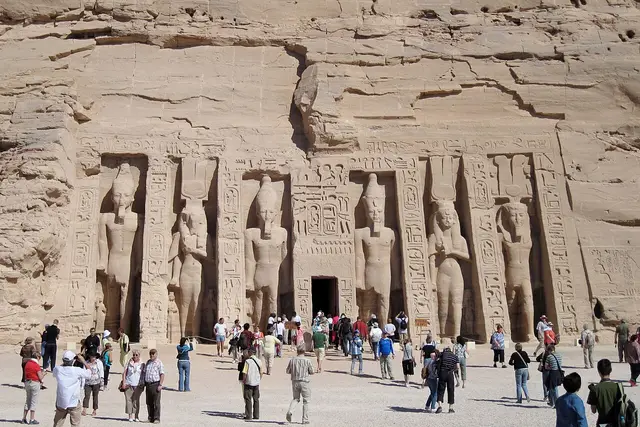
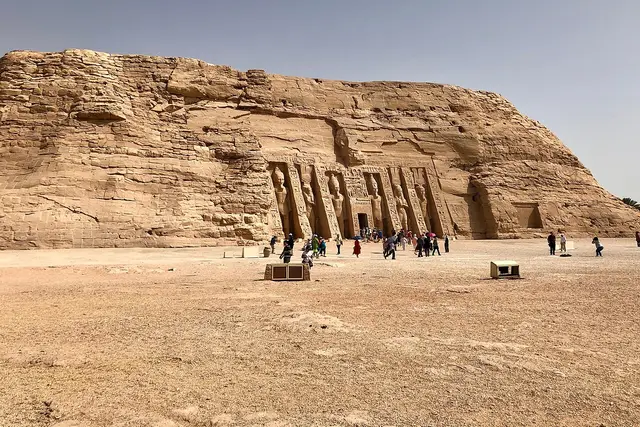
Abu Simbel is home to two colossal rock temples carved for Ramesses II and his queen Nefertari, their facades dominated by four seated statues of the pharaoh standing around 20 metres tall. In one of the 20th century's most dramatic feats of engineering, the entire complex was cut into blocks and reassembled on higher ground in the 1960s to save it from the rising waters of Lake Nasser.
Top-rated things to do in Abu Simbel
Booking links are affiliate links — booking through them supports our free guides at no extra cost to you.
Where to stay in Abu Simbel
Compare Abu Simbel hotels and stays at the lowest price — deals, ratings, and real traveler reviews.
Search hotels in Abu Simbel →Booking links are affiliate links — booking through them supports our free guides at no extra cost to you.
Plan your trip to Abu Simbel
Egypt eSIM & staying connected →
Some links above are affiliate links — if you book through them, Wander Atlas earns a small commission at no extra cost to you. It's how we keep every guide free.
When to visit Egypt: month-by-month weather, crowds and holidays →
Frequently asked questions about Abu Simbel
How do I get to Abu Simbel?
Most travellers fly into Abu Simbel Airport (ABS) on a short hop from Aswan International Airport (ASW), with the flight taking well under an hour; the temples themselves are only a few kilometres from the runway. The alternative is the overland route, a long desert drive of several hours from Aswan by private car, taxi or tour bus, often departing in the very early hours.
How many days should I spend in Abu Simbel?
A half-day to full day covers Abu Simbel comfortably, enough time to explore both temples and the visitor centre before heading back to Aswan.
What is Abu Simbel known for?
Abu Simbel is home to two colossal rock temples carved for Ramesses II and his queen Nefertari, their facades dominated by four seated statues of the pharaoh standing around 20 metres tall. In one of the 20th century's most dramatic feats of engineering, the entire complex was cut into blocks and reassembled on higher ground in the 1960s to save it from the rising waters of Lake Nasser.