Peru · Region
Ate
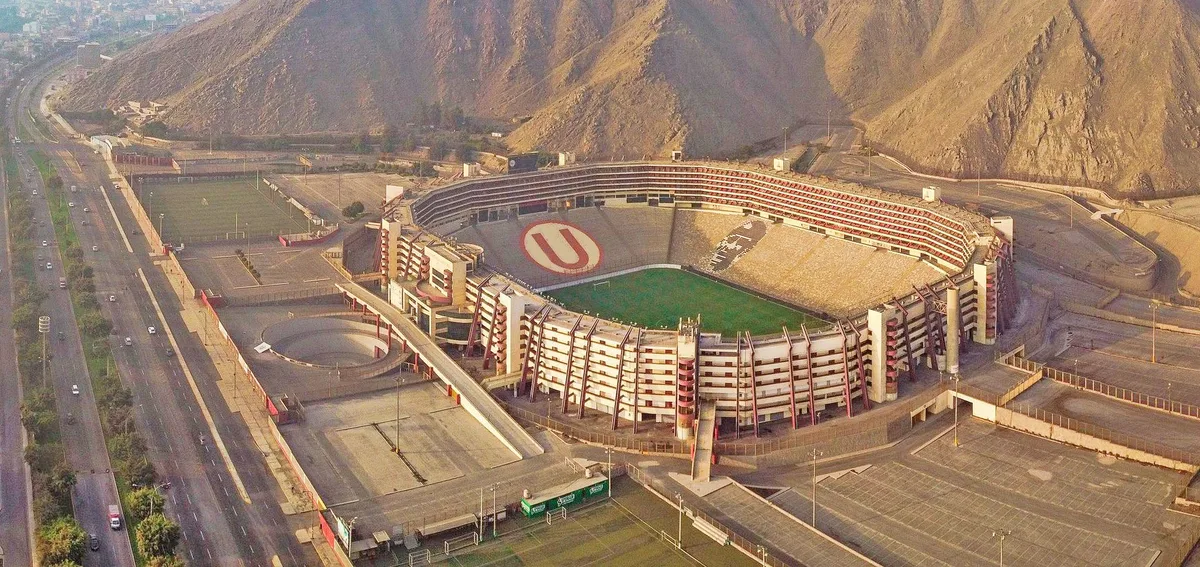
Ate, often called Ate-Vitarte, is a sprawling eastern district of metropolitan Lima that grew from a riverside agricultural town into one of the city's most populous working-class hubs. Its old town sits around 14 km east of Lima's Historic Centre and was the city's industrial heartland from the mid-19th century, built around textile factories. Today it mixes dense residential neighbourhoods, archaeological sites and a major football stadium with the everyday bustle of one of Lima's busiest transit corridors.
Top-rated things to do in Ate
Booking links are affiliate links — booking through them supports our free guides at no extra cost to you.
Where to stay in Ate
Compare Ate hotels and stays at the lowest price — deals, ratings, and real traveler reviews.
Search hotels in Ate →Booking links are affiliate links — booking through them supports our free guides at no extra cost to you.
Plan your trip to Ate
Peru eSIM & staying connected →
Some links above are affiliate links — if you book through them, Wander Atlas earns a small commission at no extra cost to you. It's how we keep every guide free.
When to visit Peru: month-by-month weather, crowds and holidays →
Frequently asked questions about Ate
How do I get to Ate?
Most travellers arrive via Lima's Jorge Chávez International Airport (LIM) and then cross the city by road or metro. Ate-Vitarte is connected to central Lima via the Carretera Central, the highway linking the capital with regions to the central and eastern parts of Peru, and the district is also served by Line 1 of the Lima Metro, with Line 2 (linking Ate to Callao) still being completed through the district.
How many days should I spend in Ate?
~1 day is enough to cover Ate's main sights, such as its archaeological sites and central Vitarte area, though it's more commonly visited as a transit point or day trip from central Lima rather than a multi-day base.
What is Ate known for?
Ate, often called Ate-Vitarte, is a sprawling eastern district of metropolitan Lima that grew from a riverside agricultural town into one of the city's most populous working-class hubs. Its old town sits around 14 km east of Lima's Historic Centre and was the city's industrial heartland from the mid-19th century, built around textile factories. Today it mixes dense residential neighbourhoods, archaeological sites and a major football stadium with the everyday bustle of one of Lima's busiest transit corridors.