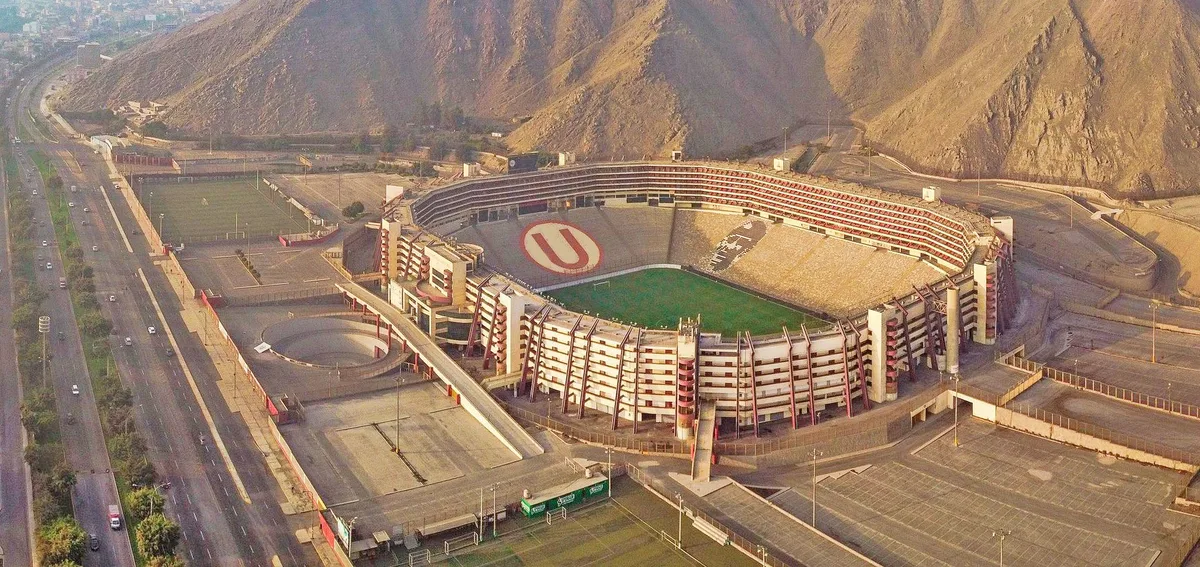
A stadium built for 80,000 voices
Midnight lands inside a concrete bowl. El Fiestón de Año Nuevo 2027 takes place on December 31, 2026, at the Estadio Monumental in Ate, the district on Lima’s eastern edge. You count down to 2027 inside one of the largest stadiums in South America.
The Monumental is home ground for Universitario de Deportes, one of Peru’s two great football clubs. On match days the stands are cream and red. For big concerts the pitch becomes a standing floor facing a stage at one end, and the steep tiers rise behind it all the way round.
That scale shapes the whole night. The sound bounces off the upper rings, the countdown carries across tens of thousands of people, and the crowd’s phone lights fill the stands at twelve.
What the night is, and what it isn’t
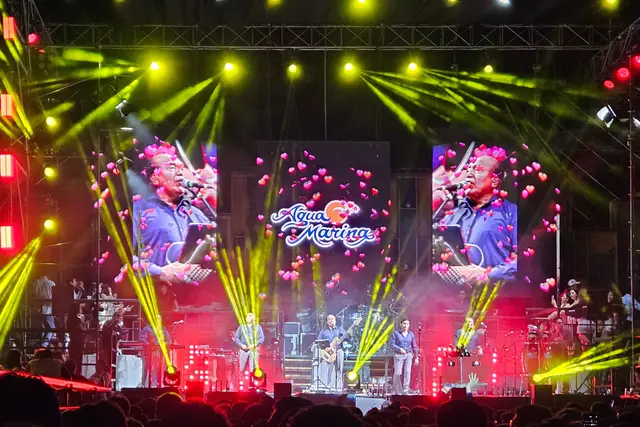
The core facts are short. This is a New Year’s Eve concert and celebration, it runs on December 31, 2026, and it is held at the Estadio Monumental in Ate.
This guide does not name performers, set times or prices, because none of those are in the facts we hold. The organiser publishes the line-up, door times and ticket links on its official channels. That is where the answer lives, not in a blog’s guess.
Here is what you can count on. It is a large-format stadium show, timed so the midnight countdown is the main event. It takes place in Lima’s summer, when the city’s grey winter skies have usually given way to warm, dry evenings.
Getting to Ate along Javier Prado
The Monumental sits off Avenida Javier Prado Este, near Ate’s border with La Molina. Javier Prado is Lima’s main east–west artery. It is also one of the city’s most congested roads, and New Year’s Eve is not a quiet night for it.
Most concertgoers come one of three ways:
- Ride-hailing apps. Uber, Cabify and InDrive all operate across Lima and are the default for visitors.
- Licensed taxis. Hotels in Miraflores, Barranco and San Isidro can call one for you.
- Organised groups. Friends often share one car, since the drive from the coastal districts is long.
From Miraflores the trip runs east across the city through San Isidro and Surco. On a normal evening that is a substantial drive. Attendees usually leave themselves generous margin, because the stadium approaches tend to back up as doors open.
Yellow, grapes and a suitcase at midnight
Peruvians bring their own rituals to the countdown. Even inside a stadium, you’ll see them happen around you.
- Yellow underwear. Wearing something yellow on New Year’s Eve is said to bring luck. Yellow wigs, garlands and glasses are sold on Lima’s streets through late December.
- Twelve grapes. One grape for each chime at midnight, each with a wish. Smuggling grapes into a stadium is hit and miss, so many people simply mime it.
- The suitcase lap. Running around the block with an empty suitcase at midnight is meant to promise travel in the coming year. At a concert it becomes a joke, but someone usually tries.
- Lentils in a pocket. A handful, carried for prosperity.
Outside the venue, across the neighbourhoods of Lima, families traditionally burn a muñeco of the old year at midnight. Fireworks go up from rooftops all over the city. From the upper tiers of the Monumental, you see some of that glow on the horizon.
Getting in and out of the Monumental
The stadium works like any big Lima venue on a show night. A few habits make it easier.
At the gates. Stadium concerts in Lima usually run bag checks at an outer perimeter before the turnstiles. Regulars travel light: a small bag, a phone, an ID and a payment method. Tickets for big shows are typically scanned from a phone.
Paying for things. Peru runs on soles. Cards work at many vendors, and Peruvians lean heavily on the mobile wallets Yape and Plin. Visitors without a Peruvian bank account can’t use those, so they carry a card plus some cash in small notes.
Language. Stadium staff mostly speak Spanish. A few phrases help: ¿Dónde está la puerta? (where’s the gate?), salida (exit) and baño (toilet).
Leaving after midnight. This is the hardest part of the night. Ride-hailing demand across Lima peaks right after the countdown, and prices on the apps surge. Experienced concertgoers often stay for a while after the show, then walk a few blocks away from the gates before requesting a car. That gets them out of the densest pickup zone.
Where visitors base themselves
Ate itself is mostly residential and commercial. Few international visitors stay there. The usual bases are on the coast:
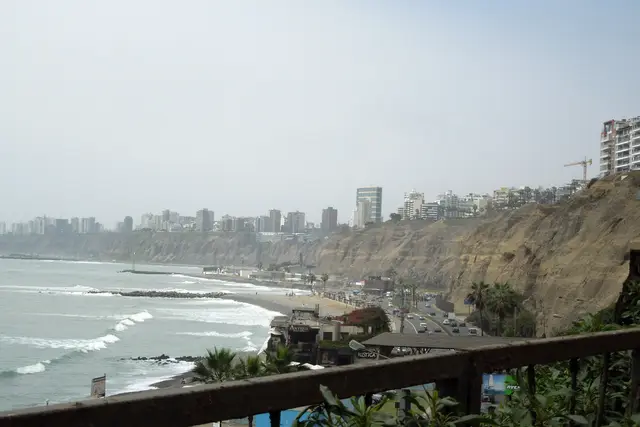
- Miraflores. The default for first-time visitors, with clifftop parks above the Pacific.
- Barranco. Lima’s bohemian district, full of bars, so the post-concert night carries on there.
- San Isidro. Business hotels, a little closer to the stadium than the coast.
La Molina and Surco sit closer to the Monumental. They suit visitors who would rather cut the journey home at 1am than be near the ocean.
Turning it into a longer stay
New Year’s Day in Lima is slow. Many businesses close or open late on January 1, and the city sleeps off the night before.
The days around it are worth having. Lima’s historic centre, with the Plaza Mayor and the Basilica and Convent of San Francisco and its catacombs, is a UNESCO World Heritage Site. Miraflores has the Huaca Pucllana, an adobe pyramid that predates the Inca. And Lima is the place to eat ceviche: it is a lunch dish here, and cevicherías traditionally serve it at midday.
Late December into January is peak summer on the coast. Limeños head south to the beaches of Punta Hermosa and Asia, so the city has a holiday feel all week.
Frequently asked questions
When and where is El Fiestón de Año Nuevo 2027?
It takes place on December 31, 2026, at the Estadio Monumental in Ate, on the eastern side of Lima, Peru. The stadium sits off Avenida Javier Prado Este, near the border with La Molina.
Who is performing, and where are tickets sold?
This guide does not list performers or prices, because we don't hold verified details for either. The organiser publishes the line-up, door times and ticket links on its official channels.
How do people get to the Estadio Monumental?
Most come by Uber, Cabify, InDrive or a licensed taxi, usually along Avenida Javier Prado Este. From Miraflores the drive crosses much of the city, and traffic around the stadium approaches tends to build as doors open.
How do concertgoers get home after midnight?
Ride-hailing demand across Lima peaks right after the countdown, and app prices surge. Many attendees wait a while after the show, or walk a few blocks from the gates, before requesting a car. Sharing one car between a group is common.
What New Year's traditions will I see in Lima?
Peruvians wear yellow for luck, eat twelve grapes at midnight, carry lentils for prosperity and sometimes run around the block with an empty suitcase to bring travel. Families across the city also traditionally burn a muñeco of the old year, and fireworks go up from rooftops.
Plan your trip to Ate
Peru eSIM & staying connected →
Some links above are affiliate links — if you book through them, Wander Atlas earns a small commission at no extra cost to you. It's how we keep every guide free.