Macau · Region
Barra
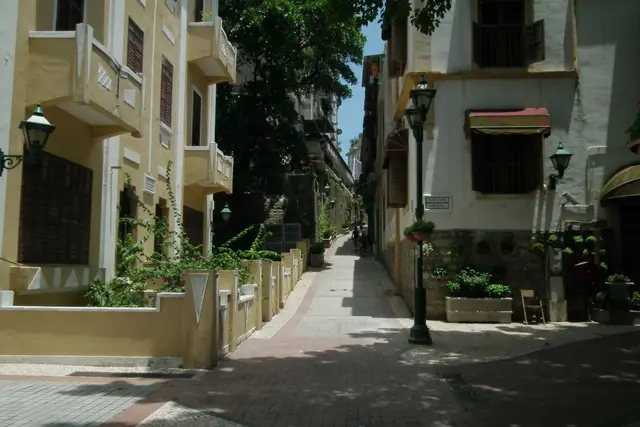
Barra sits at the southern tip of the Macau peninsula, where the old inner harbour meets Sai Van Lake and the city's oldest working temple still faces the water. Named for the A-Ma Temple, a shrine to the sea goddess Mazu dating back to 1488, this is the quarter where Macau's maritime past is most visible: fishing-village lanes, the Maritime Museum and fort ramparts sit alongside the modern transit hub that has made the district a gateway rather than a backwater.
Top-rated things to do in Barra
Booking links are affiliate links — booking through them supports our free guides at no extra cost to you.
Where to stay in Barra
Compare Barra hotels and stays at the lowest price — deals, ratings, and real traveler reviews.
Search hotels in Barra →Booking links are affiliate links — booking through them supports our free guides at no extra cost to you.
Plan your trip to Barra
Macau eSIM & staying connected →
Some links above are affiliate links — if you book through them, Wander Atlas earns a small commission at no extra cost to you. It's how we keep every guide free.
When to visit Macau: month-by-month weather, crowds and holidays →
Frequently asked questions about Barra
How do I get to Barra?
Barra station, the terminus of the Macau Light Rapid Transit's Taipa line, connects the district directly to Macau International Airport (MFM) in around 25 minutes; buses from the regional hub and taxis from the ferry terminals also serve the A-Ma Temple area. The Barra Public Transport Interchange beneath the station links trains, buses and taxis for onward travel across the peninsula and to Taipa.
How many days should I spend in Barra?
~1 day is enough to cover Barra's core sights, the A-Ma Temple, Barra Square and the Maritime Museum, at an unhurried pace, with time left for a waterfront walk toward Macau Tower.
What is Barra known for?
Barra sits at the southern tip of the Macau peninsula, where the old inner harbour meets Sai Van Lake and the city's oldest working temple still faces the water. Named for the A-Ma Temple, a shrine to the sea goddess Mazu dating back to 1488, this is the quarter where Macau's maritime past is most visible: fishing-village lanes, the Maritime Museum and fort ramparts sit alongside the modern transit hub that has made the district a gateway rather than a backwater.