Spain · Region
Cordoba
Córdoba is a former Roman and Moorish capital whose Mezquita — a vast mosque-cathedral of striped double arches — anchors a UNESCO-listed old town of whitewashed patios and narrow lanes. Once the largest city in Western Europe under Islamic rule, it packs an outsized concentration of history into a compact, walkable core beside the Guadalquivir River.
Top attractions
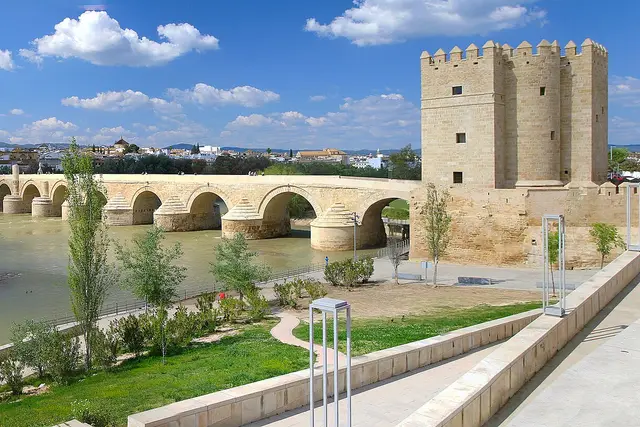 attraction
 Torre de la Calahorra: Cordoba Travel Guide (4.5★)
Torre de la Calahorra is the fortified Moorish gate tower guarding the south end of Córdoba's Roman Bridge, now home to a small museum on Al-Andalus and a rooftop with the best skyline view of the Mezquita in the city. 4.5★ (4,582 reviews) — what visitors say, hours, and tips.
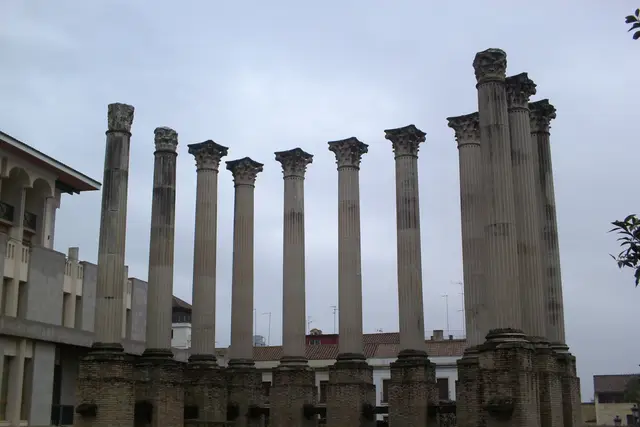 attraction
 Templo Romano: Cordoba Travel Guide (4.2★)
Templo Romano sits on Calle Capitulares in Cordoba's Centro district, right behind the Ayuntamiento (city hall), and it's a free, view-from-the-street site rather than a ticketed monument. 4.2★ (9,452 reviews) — what visitors say, hours, and tips.
Hidden gems
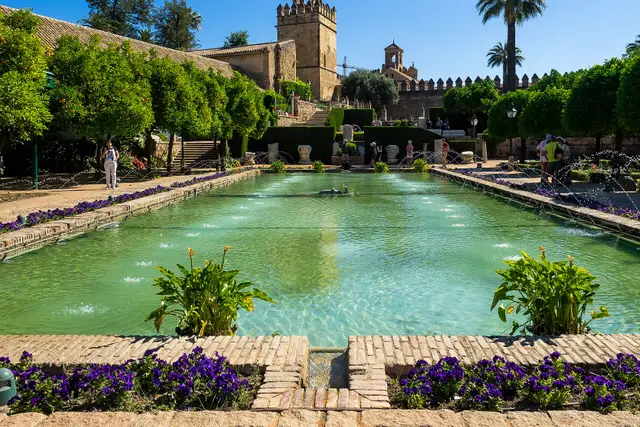 hidden gem
 Alcázar de los Reyes Cristianos: Cordoba Travel Guide (4.5★)
The Alcázar de los Reyes Cristianos is a 14th-century Mudéjar fortress-palace in central Córdoba, famous for its Roman mosaics, sarcophagus and terraced gardens with reflecting pools. 4.5★ (36,363 reviews) — what visitors say, hours, and tips.
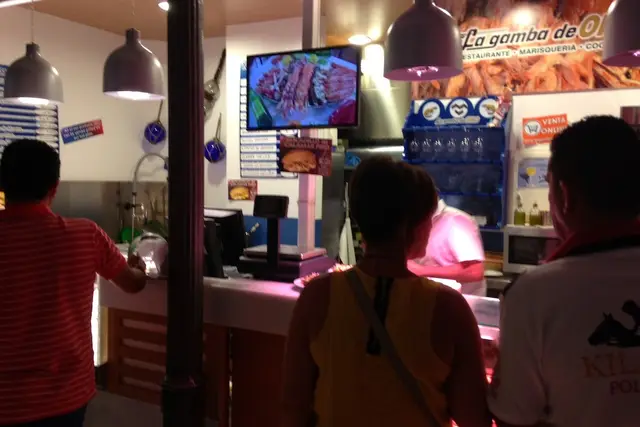 hidden gem
 Mercado Victoria: Cordoba Travel Guide (4.3★)
Mercado Victoria is a gastro market on Paseo de la Victoria in Córdoba's Centro, on the edge of the Jardines de la Victoria and a short walk from the Judería. 4.3★ (25,126 reviews) — what visitors say, hours, and tips.
Top-rated things to do in Cordoba
Live prices from Klook. Booking through these links supports our free guides at no extra cost to you.
Where to stay in Cordoba
Compare Cordoba hotels and stays at the lowest price — deals, ratings, and real traveler reviews.
Search hotels in Cordoba →Booking links are affiliate links — booking through them supports our free guides at no extra cost to you.
Plan your trip to Cordoba
Some links above are affiliate links — if you book through them, Wander Atlas earns a small commission at no extra cost to you. It's how we keep every guide free.
When to visit Spain: month-by-month weather, crowds and holidays →
Frequently asked questions about Cordoba
How do I get to Cordoba?
Córdoba has no significant commercial airport of its own, so most travelers arrive by AVE high-speed train into Córdoba's central railway station, which sits on the Madrid–Seville line opened in 1992. Typical routes include AVE trains from Madrid (~1h40), Seville (~45min–1h), or Málaga (~1h), with those cities' airports (Madrid–Barajas, Seville, or Málaga) serving as the nearest air gateways.
How many days should I spend in Cordoba?
Plan on ~1-2 days, enough to explore the Mezquita-Cathedral, the Jewish Quarter (Judería), and the Alcázar, with a bit more time if adding a day trip to Medina Azahara.
What is Cordoba known for?
Córdoba is a former Roman and Moorish capital whose Mezquita — a vast mosque-cathedral of striped double arches — anchors a UNESCO-listed old town of whitewashed patios and narrow lanes. Once the largest city in Western Europe under Islamic rule, it packs an outsized concentration of history into a compact, walkable core beside the Guadalquivir River.